Easter egg dyeing might look easy: just dye, water, a bit of time – and you’re done. Sure, you can keep it simple, but if you have a clear vision for your eggshell, it helps to know this: the color’s intensity, shade, and smoothness depend on many tiny details. If you’ve ever tried to get a "pretty pale pastel" but ended up with dull or blotchy eggs, you know exactly what we mean.
Good news: there’s a reliable method to intentionally create either pastel or vibrant, neon-effect eggs. The base is the same – the difference comes down to the dye ratio and soaking time.
The Basic Recipe You Can’t Skip
No matter the color, this is where it all starts. A classic dye solution looks like this:
- 1 cup hot water
- 1 teaspoon vinegar
- food coloring (about 20 drops for base color)
Vinegar isn’t random: it helps the dye stick better to the eggshell, making the color more even and vibrant. Fully immerse the egg in the solution, then the timing determines the final look.
Pastel Eggs: When Less Is More
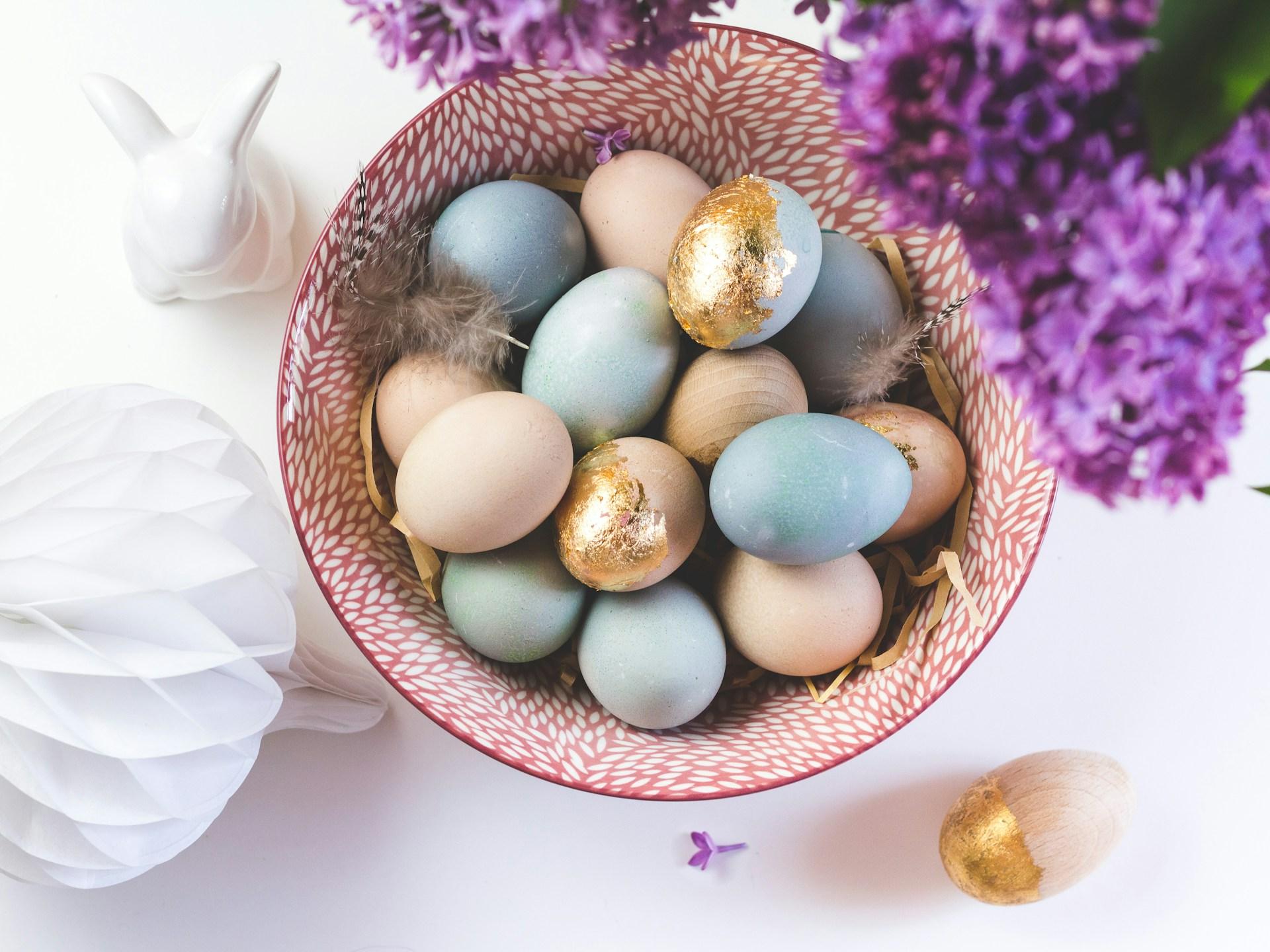
The secret to pastel colors is surprisingly simple: dip the egg for a short time. Leaving the shell in the dye for just 30 seconds to 2 minutes gives you soft, light shades.
This is where many go wrong: they leave the egg too long because the color "isn’t strong enough," then suddenly it turns too dark. Pastels don’t build gradually – they quickly shift into deeper tones.
Mixing colors can make it even more exciting: yellow plus a drop of red creates a peachy shade, blue plus red gives a soft lilac, and blue plus green results in a minty tone.
Neon Eggs: Where the Real Fun Begins
Neon colors don’t just depend on the amount of dye but on how saturated the egg becomes. For this, use intense, bright food coloring and soak the egg much longer.
For neon effects, soaking time can range from 5 to 25 minutes, depending on how bold you want the color. The longer it stays, the deeper and more vivid the shade. This works especially well with pink, green, or blue tones.
Mixing Colors: How to Avoid a "Muddy" Result
If you want multiple colors on one egg, here’s a key rule: only combine colors that are close on the color wheel. Blue + green or red + orange work well, but red + green often turns brownish and "muddy."
This happens because opposite colors cancel each other out when mixed.
Small Tricks That Make a Big Difference
- Wipe the egg before dyeing! A quick vinegar wipe helps the color absorb more evenly.
- Don’t move the egg too much. Constant turning can cause streaks or blotches.
- Let it dry untouched. Freshly dyed eggs are delicate – touching can smudge or remove the color.
- Experiment with layering. Paint a second color over a light base for richer, unique shades.
Pastel or Neon – Which Should You Choose?
Pastel eggs are subtle and elegant, perfect for minimalist Easter decor. Neon colors, on the other hand, are playful, eye-catching, and instantly brighten up your table.
The best part? You don’t have to pick just one: with the same method, adjusting time and dye amounts, you can create both.
Easter egg dyeing isn’t about luck. Once you understand the basics – vinegar, dye, time – you can control the outcome and create exactly the decorations you want.