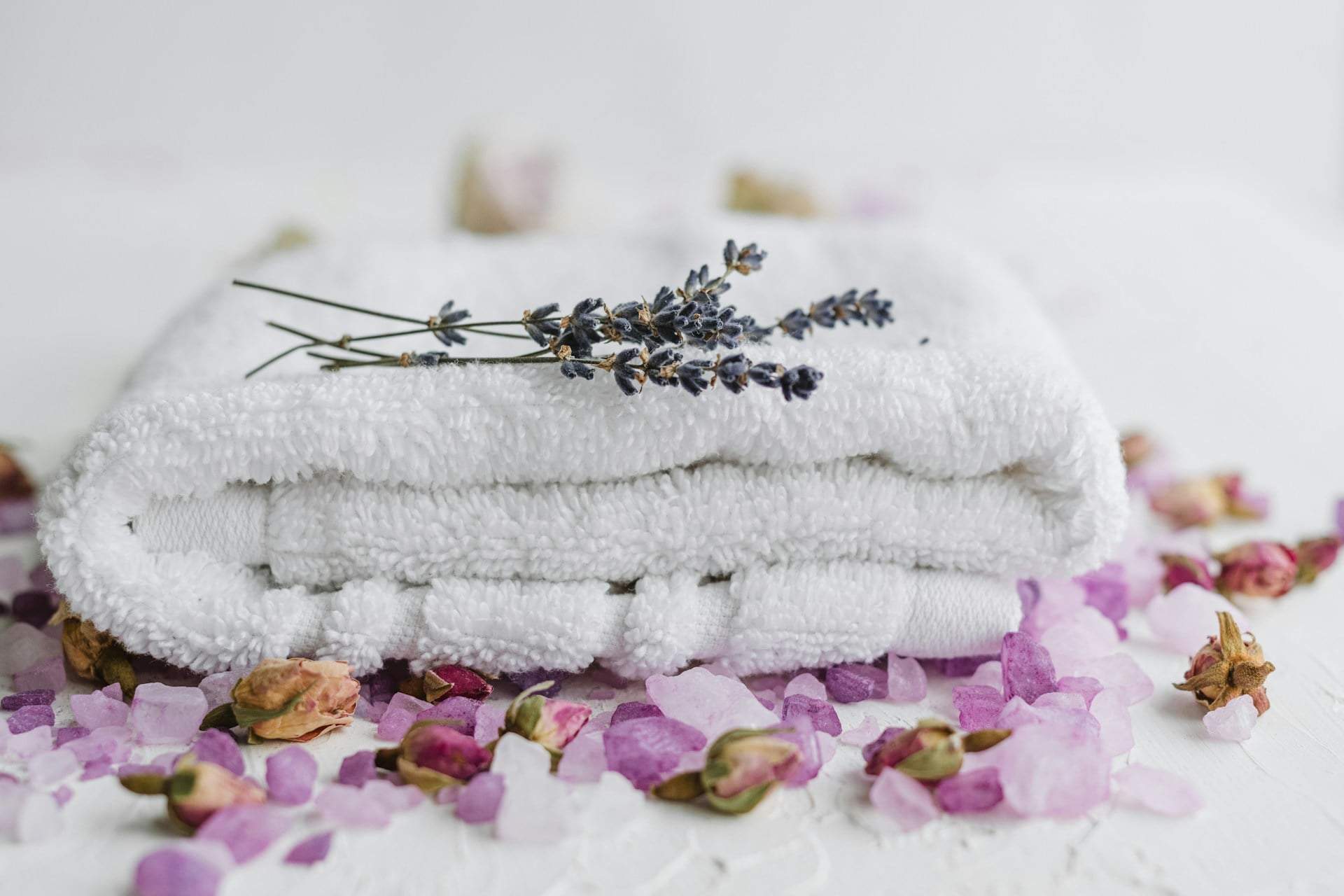
Fresh is not a smell. That is the thing we get wrong when we try to keep stored textiles pleasant: we reach for something scented, when the actual goal is neutrality. A perfectly stored set of sheets should come out of the cupboard smelling of absolutely nothing, which is exactly what you want when guests are arriving in three hours and the spare duvet cover is your only option.
Winter is when this becomes obvious. The linen cupboard gets busy — spare bedding for visitors, the good tablecloth, towels that have been folded since summer — and anything stored damp, warm or airless announces itself the moment you unfold it. The fix is less about products and more about a few unglamorous rules.
Everything goes away bone dry, with no exceptions
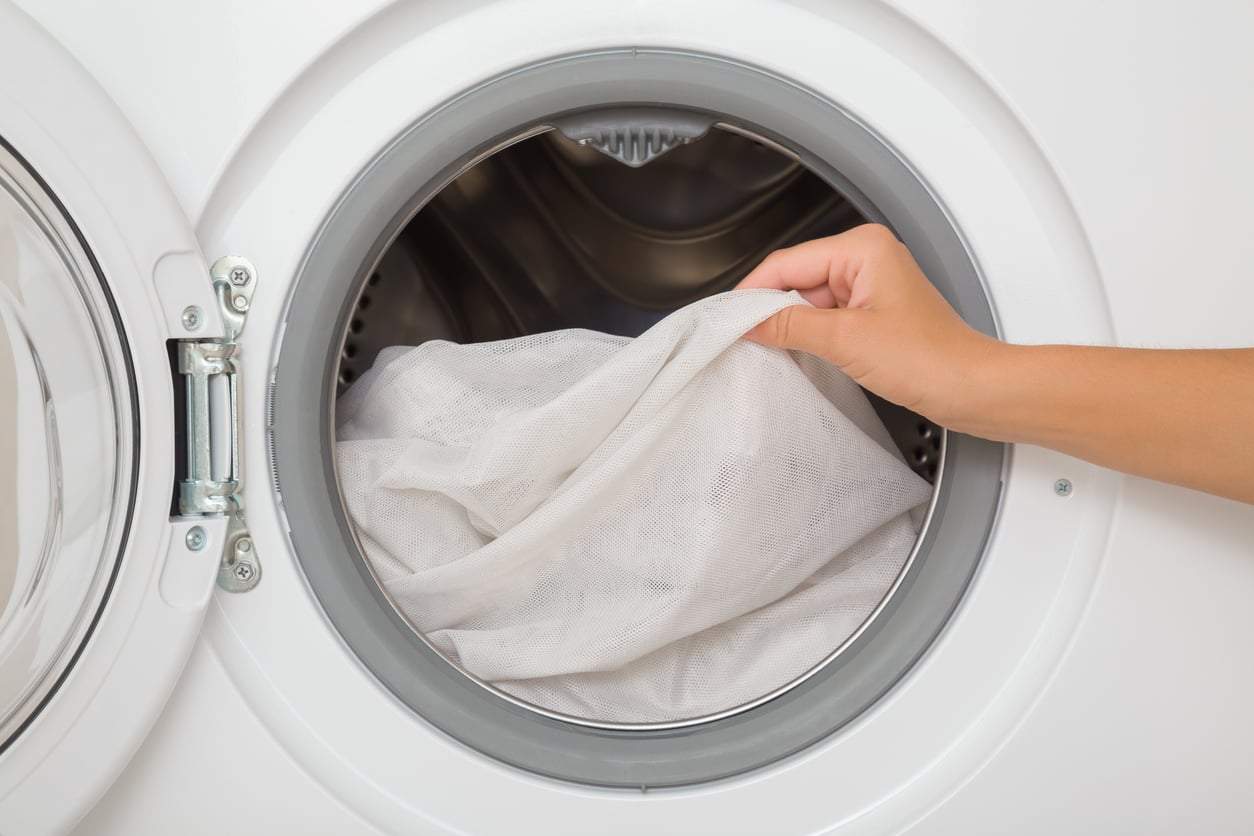
Nine times out of ten, the cupboard smell started in the laundry. Thick hems, seams, the double-layered corners of a fitted sheet and the bound edges of towels hold moisture long after the flat surfaces feel dry. Put that away and you have sealed a small damp patch inside a stack for three months.
So overdry slightly on purpose. If you line-dry or use an airer, leave linens up for several hours after they feel finished, then fold them while they are still slightly warm and let the folded pile sit out overnight before it goes into the cupboard. If anything smells even faintly sour out of the machine, it goes back in — that smell does not improve in storage, it matures.
The same goes for the cupboard itself. A linen press on an outside wall in an unheated hallway can run cold enough to attract condensation. Leave the door ajar for an hour on a dry day every few weeks, and never pack a shelf so tightly that air cannot move between the stacks.