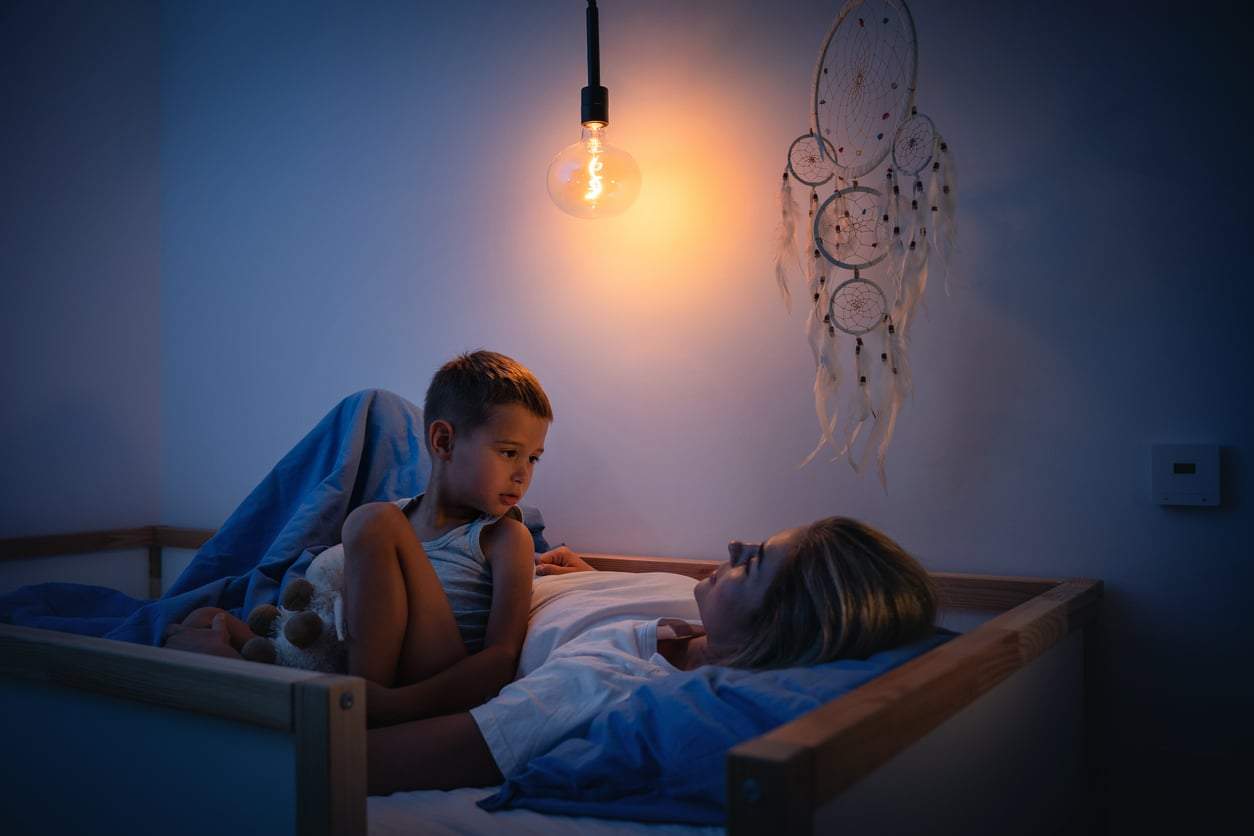
So, how can you help him feel brave enough to open up and talk honestly about his emotions?
Why Is Expressing Emotions So Important?
It might be hard to imagine, but expressing emotions plays a vital role in maintaining mental health. Bottling up feelings doesn’t just weigh on the mind—it can lead to various health issues over time. That’s why it’s so important for boys to learn early how to be mindful and confident about their feelings.
How to Start Teaching Emotional Expression
One key step is to lead by example. When you openly and honestly share your feelings, you encourage your child to do the same.
Remember, boys experience the world just as deeply, and when they see parents being open and emotionally available, they feel safer to open up too.

Creating a Safe Space
It’s essential to provide a safe environment where your child can freely express emotions. This gives him the chance to ask questions and share what he feels without fear of judgment or criticism.
Communication Tips
Try asking how he felt about different situations during the day, and encourage him to go beyond simple answers and describe his feelings. These talks help him see that expressing emotions is a healthy and accepted way to communicate.
Playful Exploration of Feelings
Role-playing is a fantastic way to explore emotions playfully. Using puppets or small figures to act out stories lets your child work through different emotional scenarios and learn how to handle them.
The Mapping Method
Emotional mapping is another helpful tool. It encourages your child to recognize and name his feelings in various situations. This makes his inner world clearer and helps him manage emotions better.

The Importance of Accepting Feelings
Kids need to know that all feelings are valid and okay. Just like adults, children experience a full range of emotions, and accepting this is a healthy part of their emotional growth.
The Power of Positive Feedback
Every time your son shares his feelings, acknowledge it with positive feedback. This encourages him to stay open and see expressing emotions as natural.

Patience and Perseverance
Remember, teaching emotional expression takes time and patience. Don’t expect instant results—stay consistent and support your son every step of the way.
The payoff will come later—not just for him, but for everyone close to him as he grows into adulthood.
Emotional education for boys isn’t just important for your child—it’s vital for building a more empathetic, understanding society. As a parent, your example and support help shape sensitive, compassionate adults.