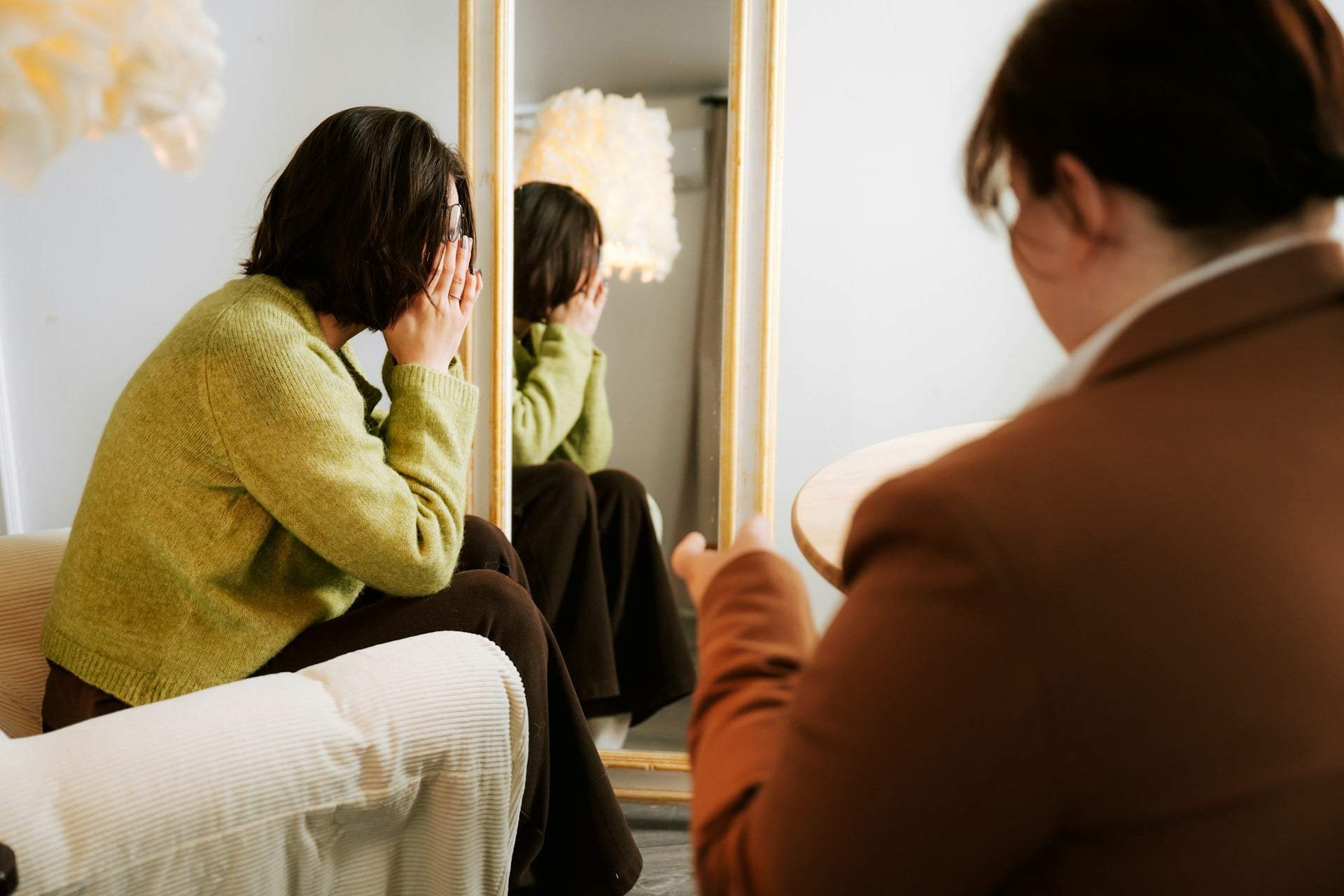
Self-identity has become a buzzword lately—and for good reason. In a world where everyone looks perfect on Instagram and we constantly wonder, “Am I good enough?”, it’s easy to slip into roles without even noticing. Before you know it, you can’t tell where the mask ends and where you begin.
So how do you know if you’ve been playing someone else’s part for too long? Here are some clear signs to help you recognize when it’s time to reconnect with your true self.
1. You’re constantly tired — and not just physically
It feels like your energy is drained every day—even when you haven’t done anything special. Playing a role is seriously exhausting, even if you’re smiling on the outside and no one notices. Deep down, you know that’s not really you. This kind of inner conflict will eventually wear you out completely.
2. You’ve forgotten what made you "you"
Maybe you used to love drawing or wandering under the trees for hours. Now it feels like that was a different life. If you can’t remember what used to light up your eyes or what you truly lost yourself in—not your phone, but with joy—it’s a sign you’ve drifted far from the parts of yourself that really matter.

3. You’re overly concerned about what others think
Before you say or do anything, your mind races: “What will they think? Is this good enough? Am I funny, cool, or cute enough?” This isn’t healthy self-reflection—it’s anxiety. True self-identity starts when you live less by others’ expectations and more by your own.
4. You change too much depending on the setting
It’s normal to act differently at a job interview than with your best friends. But if you feel like you’re a different person everywhere you go, and nowhere can you just be yourself, it might mean you’ve lost touch with your inner truths.

5. Saying no feels really hard
“What if I hurt someone?” “What if they stop loving me?” Sound familiar? If you often swallow your feelings just to keep the peace—or love—it might mean you’re guided more by others’ expectations than by what’s truly good for you.
6. You feel anxious even when everything seems fine
Outwardly, everything might look great—you have a job, a relationship, friends—but inside there’s a strange emptiness or pressure. Your role might look perfect from the outside, but you don’t feel at home within yourself. A lack of self-identity can show up as quiet anxiety.

7. You’re afraid to show your “vulnerable” side
You try to stay strong, confident, and put together—while hiding your doubts, tears, and questions. But real human connection happens through those vulnerable moments. Self-identity begins when you stop trying to look perfect and start being real.
How to Find Your Way Back to Yourself
- Start tuning in to yourself: What do you really want? What drains you? What energizes you?
- Practice saying no—even when it feels uncomfortable.
- Allow yourself to make mistakes. Being authentic isn’t about always getting it right—it’s about daring to learn along the way.
- Take back your time, your voice, your dreams—one small step at a time. You don’t have to reclaim everything at once; just move a little closer to yourself today.
Remember: Self-identity doesn’t mean always knowing who you are. It means daring to explore, ask questions, and find your way home to yourself.