Opinion: Borka Shoemaker
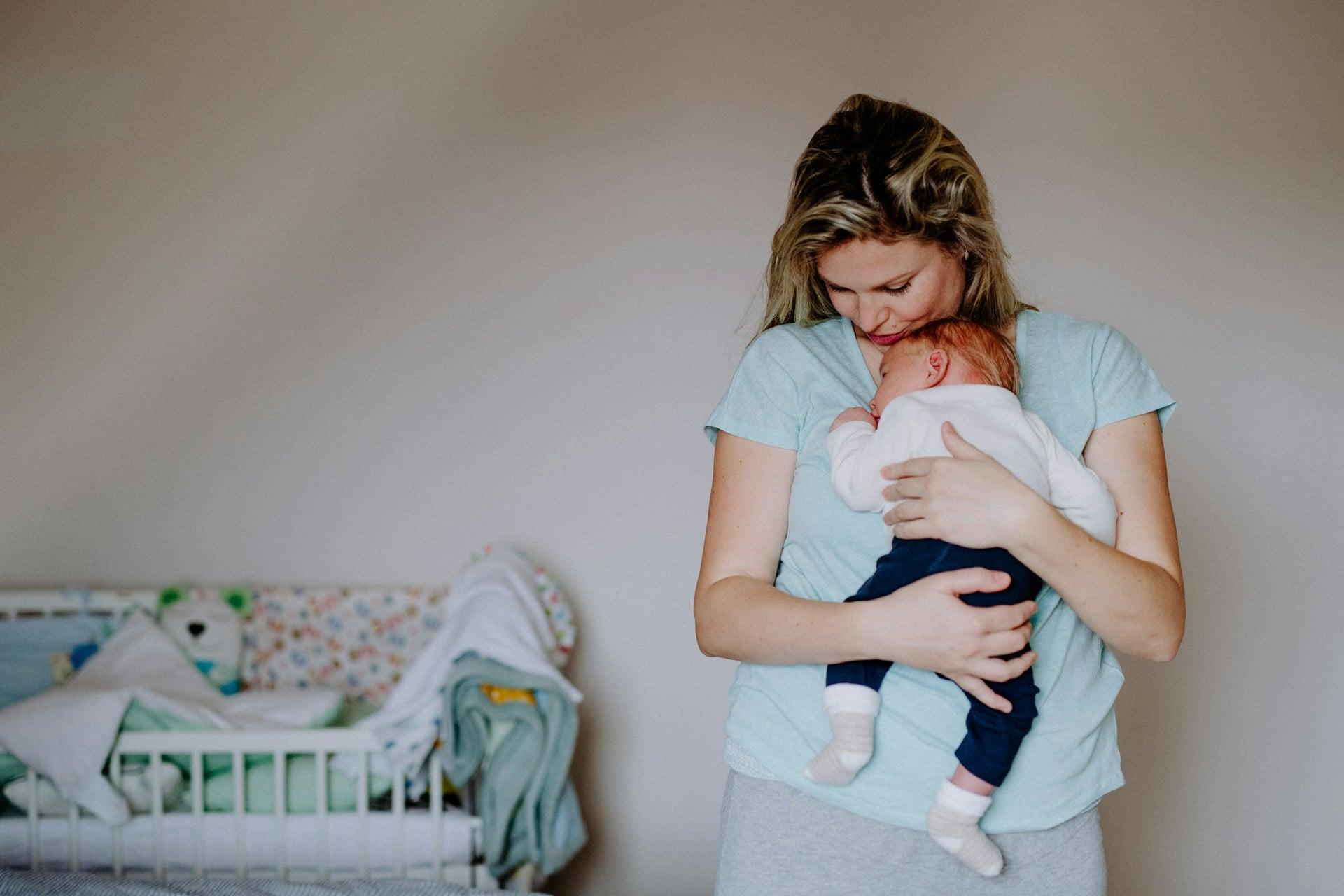
I remember the moment clearly. My daughter was about six months old, just on the edge of falling asleep, when suddenly a siren blared from the street. She startled and began to cry. I picked her up, held her close, and within minutes she calmed down. Relaxing in my arms, she slowly fell asleep, breathing deeply, her little face pressed against me.
There I lay beside her, watching her breathe, when a sudden realization hit me: I am her safe place. I am the one spot in the world she can return to where everything will be okay. And this didn’t feel like a burden, but a deep, warm privilege. What an incredible honor!
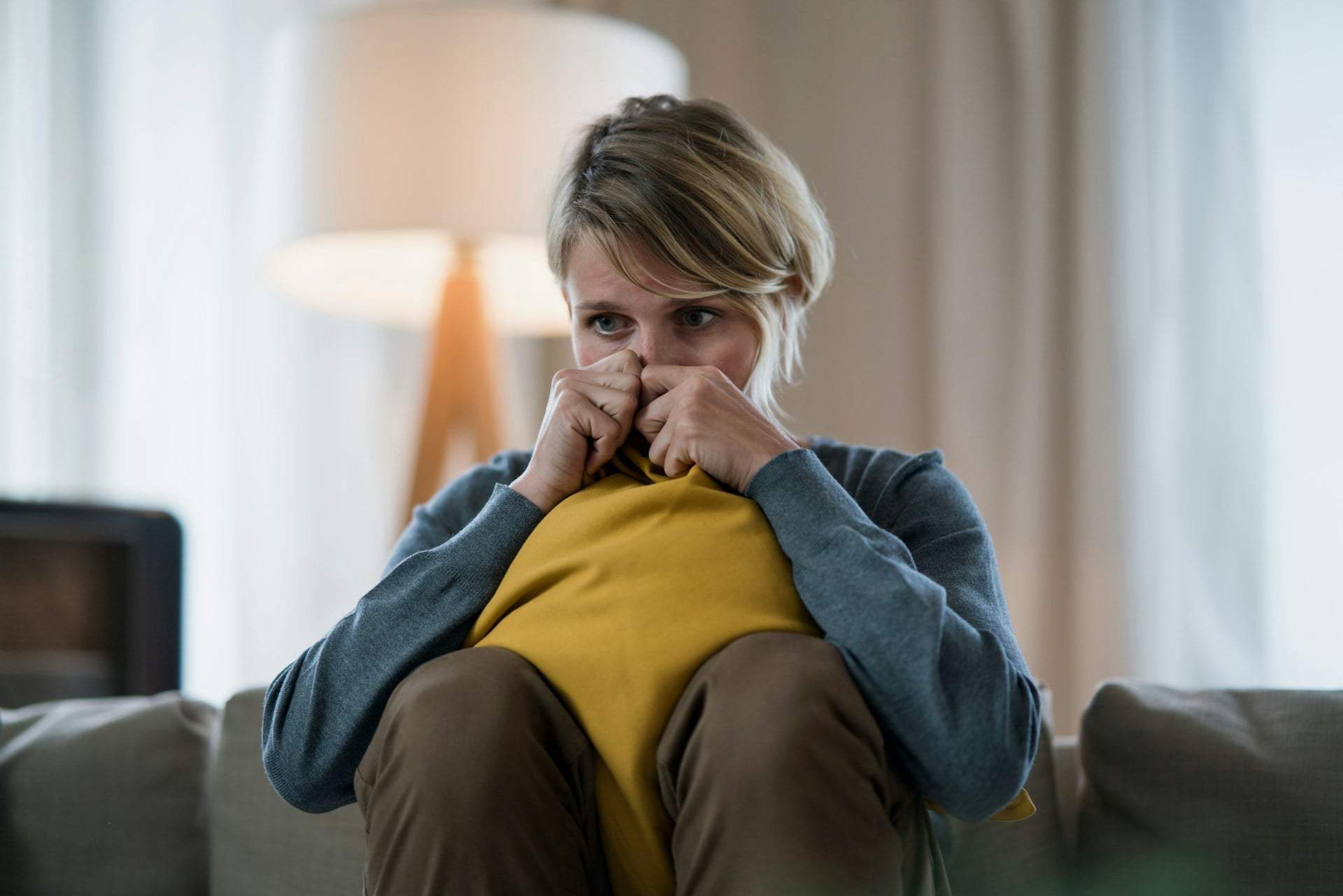
Then, almost overnight, something shifted. It was as if a carefully locked door inside me suddenly swung open. Memories, feelings, and fears I’d kept buried for years—maybe decades—came rushing up. Those childhood experiences I’d always downplayed—telling myself "it wasn’t that bad" or "others had it worse"—lost their soft, padded layer that dulled their impact. They were raw and undeniable.
The strongest thought was: I would never let this happen to her. That sentence was both protective and accusatory. It wasn’t just about the present but also the past. If I wouldn’t allow my child to go through this, then it’s not okay that it happened to the child I once was.
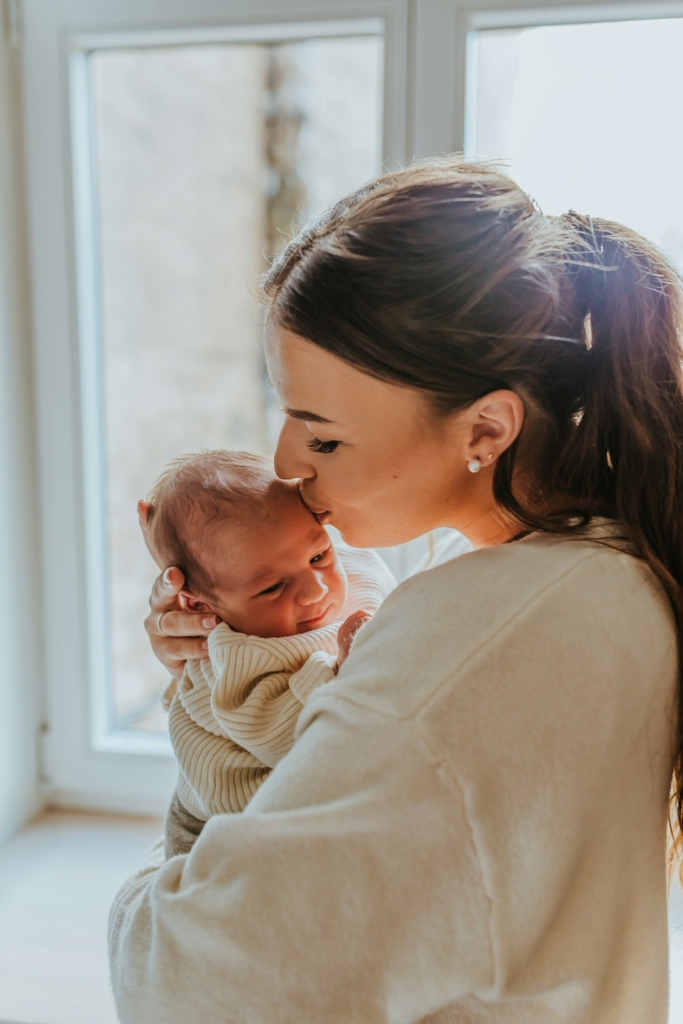
Later, when I spoke to a psychologist about this experience, she reassured me almost immediately: this is very common. Many people begin to truly face their unresolved childhood traumas when they become parents themselves.
At first, it seems strange since all our attention is on the new life. But this is exactly what brings the old wounds to the surface. A baby’s complete vulnerability and the unconditional trust they place in us hold up a mirror.
We don’t just see what they need, but also what we ourselves needed.
Becoming a Mother Means Meeting Our Inner Child
When we rock a crying baby, soothe them, and respond to their signals, an unconscious comparison happens inside us. What did I receive in those moments? Was there someone to pick me up? To notice me? To make me feel safe?
Motherhood is not just a new role but a journey back. We reconnect with our childhood selves, now seen through adult eyes. And this shift in perspective can be brutally honest.

What once felt "normal" suddenly feels uncertain. What was acceptable no longer is. What we wouldn’t allow for our own child, we realize shouldn’t have happened to us either.
This is painful but also freeing. Because until we name it, it’s hard to deal with. But once we say—if only to ourselves—that it wasn’t okay, we have a reference point. Then we can choose to do things differently.
Welcoming a young child is a huge challenge on its own. Sleep deprivation, constant alertness, new responsibilities. It’s easy to say there’s no "time" to deal with our past. But the truth is, that’s when it knocks the loudest.
And maybe that’s no accident. Facing old wounds is scary, but it’s also an opportunity. A chance to break the cycle and not pass on what we received. To parent more consciously and compassionately. And maybe, for the first time, to truly care for ourselves.
You don’t have to do it alone. In fact, often you can’t. Asking for help is not weakness, but responsibility—to yourself and your child.
And maybe this is one of the least romantic yet most important gifts of motherhood: not only do we guide a new life, but we also get to rewrite our own story.