The digital world currently occupies only a small slice of our lives, but I know the day will come when we move beyond the fairy tale of online platforms. I’ll have to explain to my daughter that not everything on the screen is what it seems—especially now that, thanks to artificial intelligence, we see what we want—or what others want us to see. And realizing she’s growing up in a world I’m still figuring out myself? Honestly, it’s scary. I need to prepare her for something I might not be ready for myself.
Google’s newly launched AI image generator has sparked intense debate online.
Examples spread like wildfire on social media: photos of events that look real but never happened, altered historical scenes, staged celebrity moments—all created with a single command. Not in some sci-fi script, but right now.
The outrage is understandable: how do we trust a world where we can’t believe our eyes?
As a parent who remembers the first digital cameras—and even the ghostly analog photos taken one after another—I’m especially unsettled by this question: how do I teach my child to sense reality in an age where reality barely differs from a prompt typed into a platform by who knows what intentions?
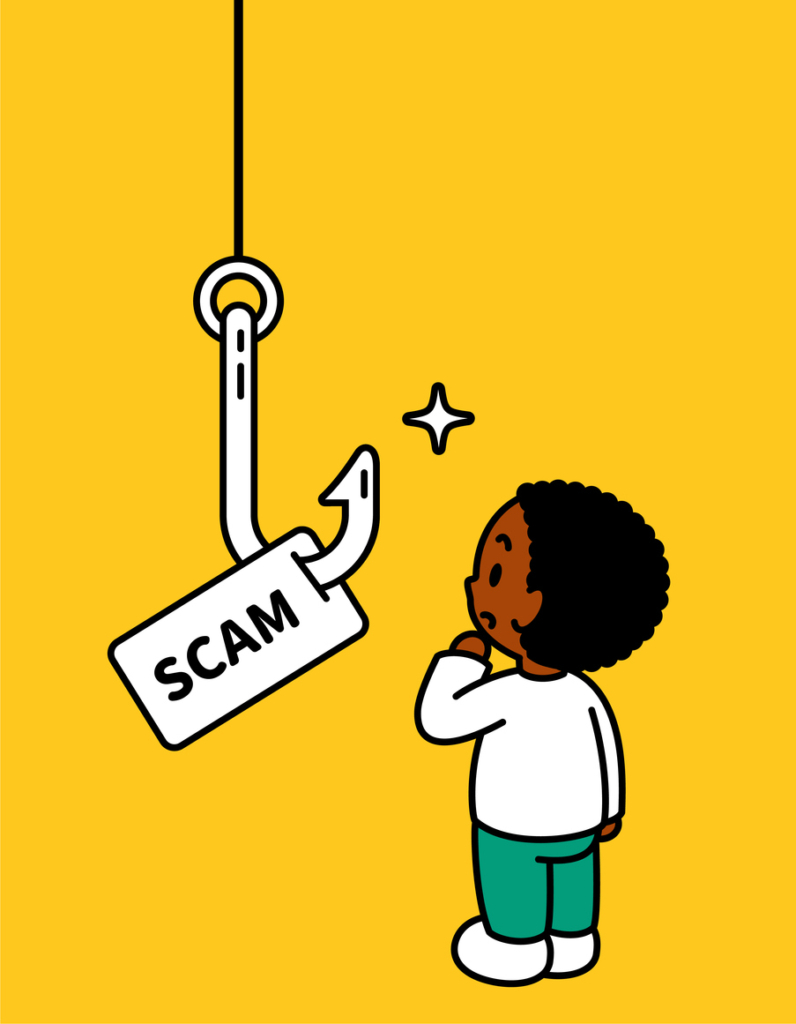
Today’s kids don’t grow up lacking information—they’re overwhelmed by it. Back in my childhood, a bad rumor took days to spread through school. Now, a single malicious AI-generated image can flip public opinion in minutes. It’s easy to see how this could be used for harmful purposes, whether on a small or global scale—but how to defend against it? That’s still hard for me to imagine.
Fact-checking used to be straightforward: source, date, context. Now, even images aren’t proof anymore. If it’s tough for me as an adult to tell what’s real, it’ll be even harder for my child—especially as visual culture increasingly embraces AI-generated aesthetics.
I often feel the panic around artificial intelligence is overblown—every tech leap has faced this kind of fear.
But this shift brings not just new tools, but new uncertainty. The loss of visual certainty.
The awareness that something isn’t certain even if we see it with our own eyes—and yet, some will keep trusting their eyes anyway.
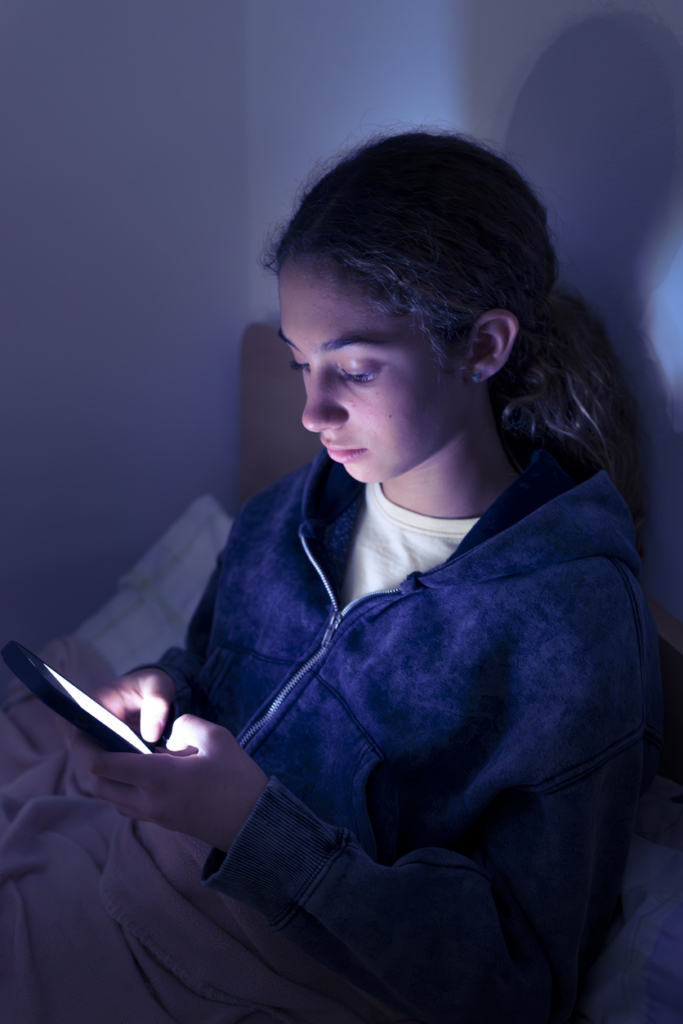
What’s my role as a parent in all this? Maybe it’s not about having perfect, unshakable answers. I can’t have those. It’s about teaching my child that doubt isn’t weakness—it’s a survival skill. It’s okay to question the world on the screen, the opinions, and the news. In fact, critical thinking will be their greatest weapon.
I’m no AI expert, and probably never will be. But I’m a mom, which means I need to stay one step ahead of my child—or at least walk beside her. I can’t just shrug off technological progress and say it doesn’t concern me, because that would leave her alone in unknown—and risky—territory. Artificial intelligence can’t replace common sense, honest conversations, and critical thinking. No matter how much AI might make life easier, there will always be things I need to prepare my child for.