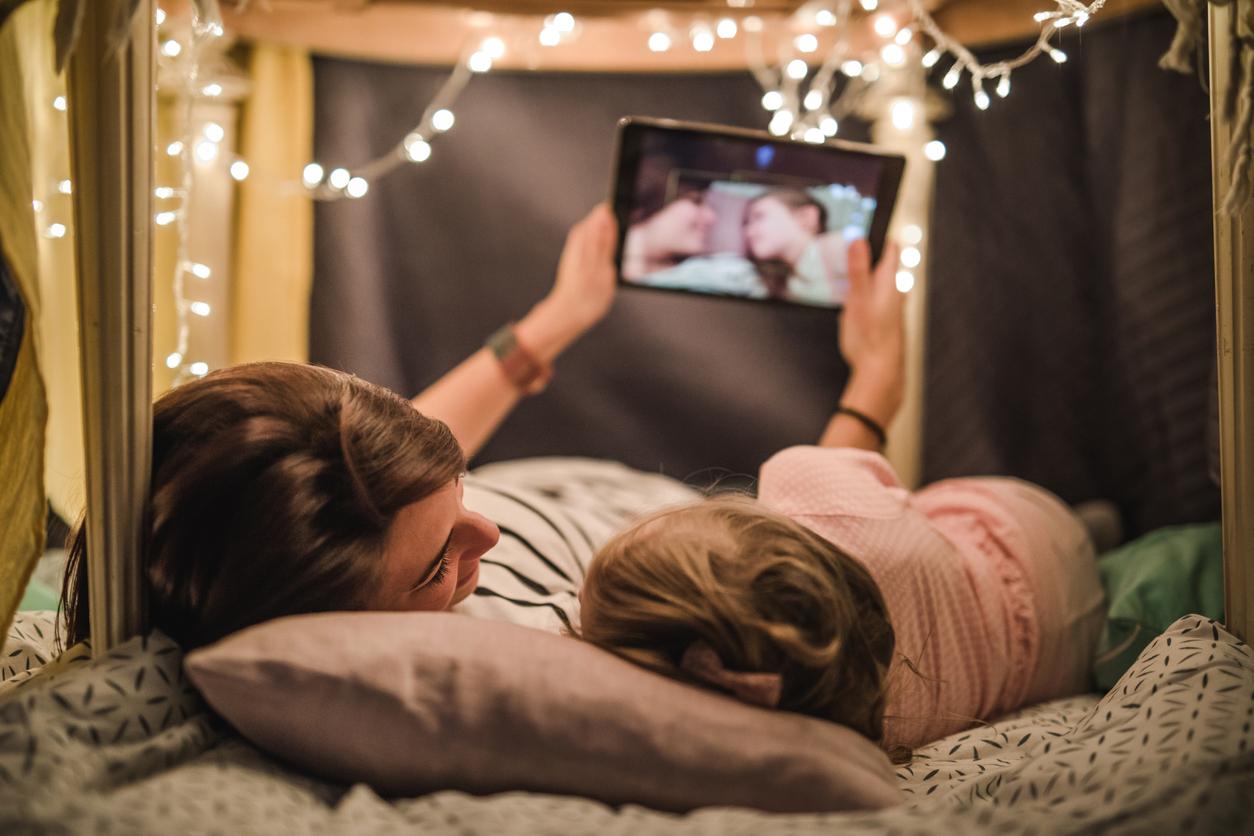
I explored expert tips to find out how we can reshape our family’s digital habits.
As a parent, it’s almost impossible to open an article without hearing warnings about the harmful effects of screen time. But instead of fear-mongering, the real question is what to do differently—and especially how.
My daughter is almost ten and studies IT, so cutting her off from technology would be totally unrealistic—and not something I want. What matters more is how to foster a healthy, balanced relationship with social media and the online world. I looked into expert advice and reflected on what actually works for us.
Who’s Raising Whom?
Nearly half of parents rely on screens daily to help with child-rearing, according to surveys. That might sound alarming at first, but honestly, I see myself in those numbers. For example, we have a set “tablet time”—a window when I cook, finish work, or simply take a moment to relax.
It’s part of our reality that screens become tools to help everyone have their own space.
At the same time, the tablet plays a role not just in rewards but also discipline—and I only recently realized this. Our parenting includes consequences, and sometimes that means limiting tablet use for days or even a week. I don’t believe in total bans, power struggles, or physical discipline, but clear boundaries? Absolutely. So the goal isn’t to ban technology but to create conscious rules that focus on balance.

Make Room for Boredom, Not Screens
Our typical day looks like this: after school, we do homework, then enjoy some family time—walks, games, chats. Screens are mostly reserved for those quiet evening moments when dinner’s cooking or everyone’s getting tired. Of course, exceptions happen—rainy days, unexpected work tasks, or situations that disrupt routines.
I don’t know about you, but one of our biggest challenges is the classic “Mom, I’m bored.” Sometimes it really feels like keeping this generation occupied without screens is nearly impossible. Experts stress the importance of unstructured, free play, which I try to provide. But as she grows, it’s tougher. I know the goal is for her to move, experiment, and come up with ideas on her own, but patience can run thin. Still, I’ve noticed that if I don’t rush to fix things, creative ideas eventually emerge and boredom often turns out to be just a passing phase, not a real problem.
Giving Space for Boredom and Real Connection Matter Equally
According to Monitoring the Future data:
The share of high schoolers who meet friends in person almost daily has dropped to 32%.
This isn’t just a low number—it reflects a generational shift. Kids really need to see each other face-to-face, catch the tone, gestures, and subtle expressions.
My daughter doesn’t have her own phone yet, but I’m firm on one thing: when her friends or cousins visit, no tablets or YouTube together. Some might find this strict, but for me, if they’re together, they should focus on each other. Visits are rare, so I want that time to be meaningful, not just people sitting side by side.
Sleep Is Non-Negotiable Too
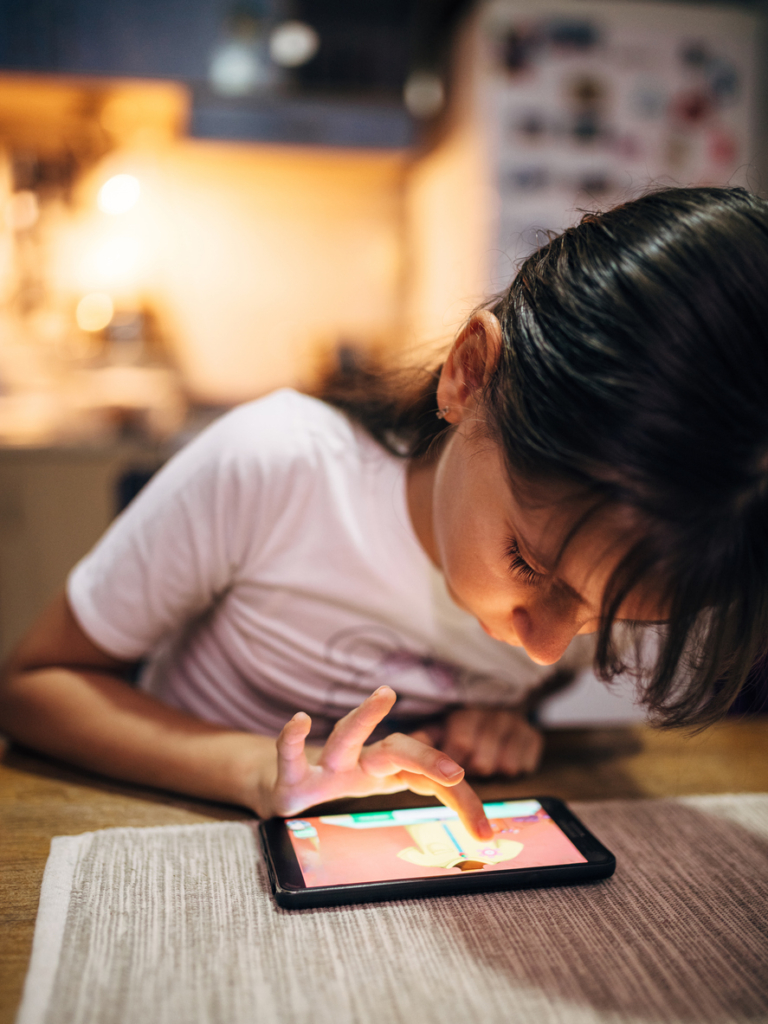
Research shows nearly 70% of teens don’t get enough sleep, even though 9 hours a night is recommended. According to the American Academy of Pediatrics, only about half of 6-17-year-olds get the rest they need. We know blue light suppresses melatonin, and vibrations or notifications disrupt the nervous system—even if the child doesn’t respond.
We have zero compromise here: no screens in the bedroom. We have one TV in the living room, and we decide together what to watch. I usually stay up later and try to end my day reading, though I know I could improve here too. But it’s clear it will take a long time before my daughter can take a phone to her room overnight.
Leading by Example Is the Toughest Challenge
Kids don’t follow what we say—they follow what they see. And this is where my biggest struggles lie. Working from home gives me great freedom, but it also means my work is physically with me. Often, during family time, I have to keep my phone close for emails, calls, or urgent requests. I explain it’s work, but I worry my daughter will think it’s normal to always have the device in hand.
That’s why I often deliberately ignore notifications, leave my phone behind, and try to be truly present. When I succeed, I feel the difference: more laughter, more connection. Maybe these moments will be what she remembers most about being with us…
Simple, Shared Rules Make a Big Difference
Our rule is no devices during meals together, but when we eat separately, everyone decides for themselves. App downloads are stricter: we only download apps together on the tablet, checking age ratings, camera or microphone access, and in-app purchases. I don’t want anything sneaking into her life unnoticed—better to talk about it upfront than scramble for solutions later.
After reviewing expert tips, I realize we’re not doing everything wrong, even if it sometimes feels that way. The goal isn’t perfection but awareness: setting boundaries while staying flexible so technology stays a tool, not the center of life. Seen this way, digital parenting isn’t a battle against tech but a constant search for balance—and I hope that balance is what our kids will learn from us.