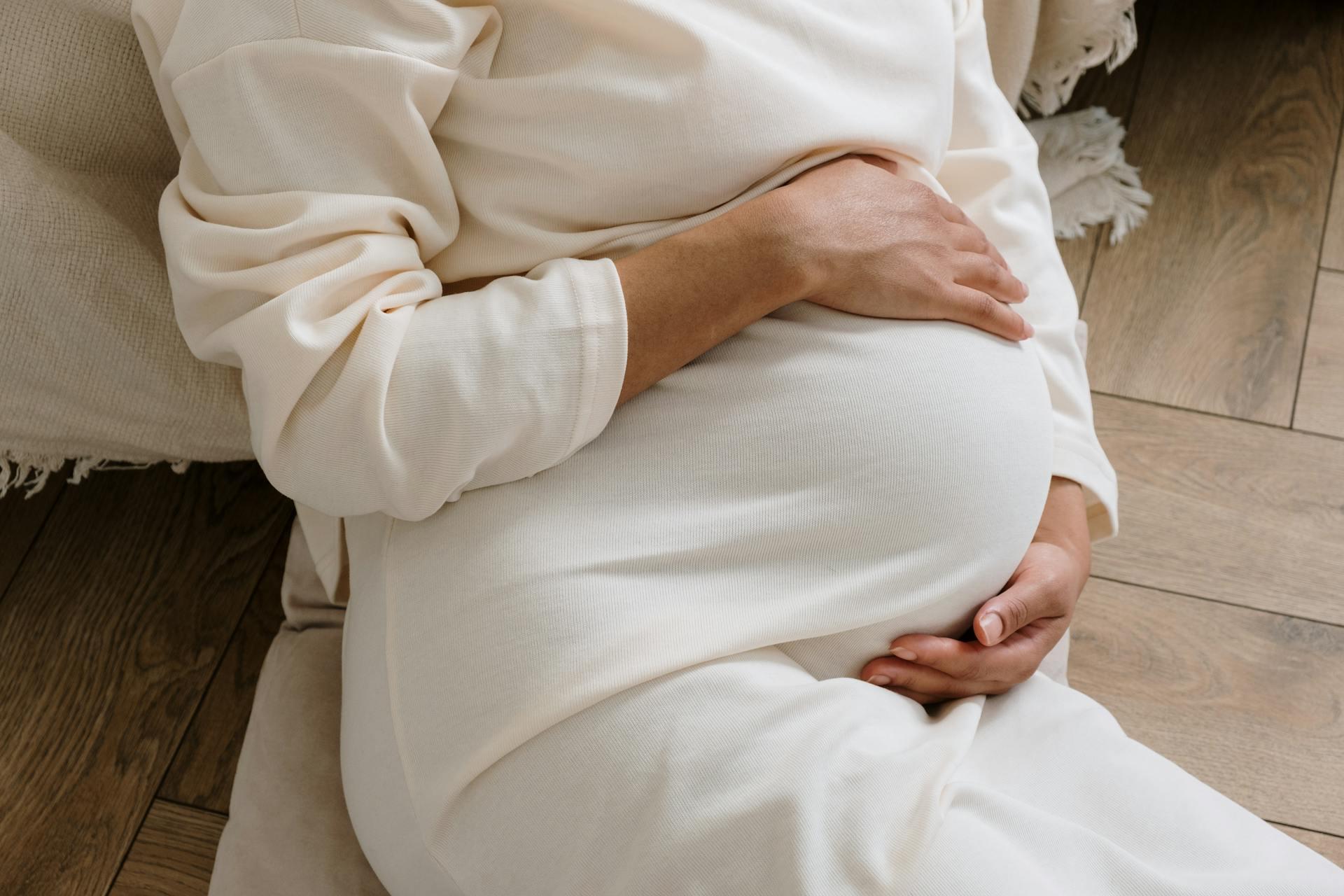
First, let’s be clear: some women bounce back to their pre-baby shape, and some don’t. Some get stretch marks, loose skin, or hold onto a few extra pounds. But that doesn’t mean this happens to EVERYONE, and even more importantly: if a woman’s body changes, it doesn’t mean it’s any less valuable.
The female body is always evolving. From teenage years to adulthood, through menopause, and even month to month. Childbirth is just one part of this natural change. The problem is that we often frame these changes as purely negative — that’s not biology, it’s social pressure and fear-mongering. We too often measure a woman’s worth by “young” and “perfect” — based on a narrow beauty ideal. And there’s no room in that for a postpartum body: stretch marks, loose belly skin, hormonal shifts.
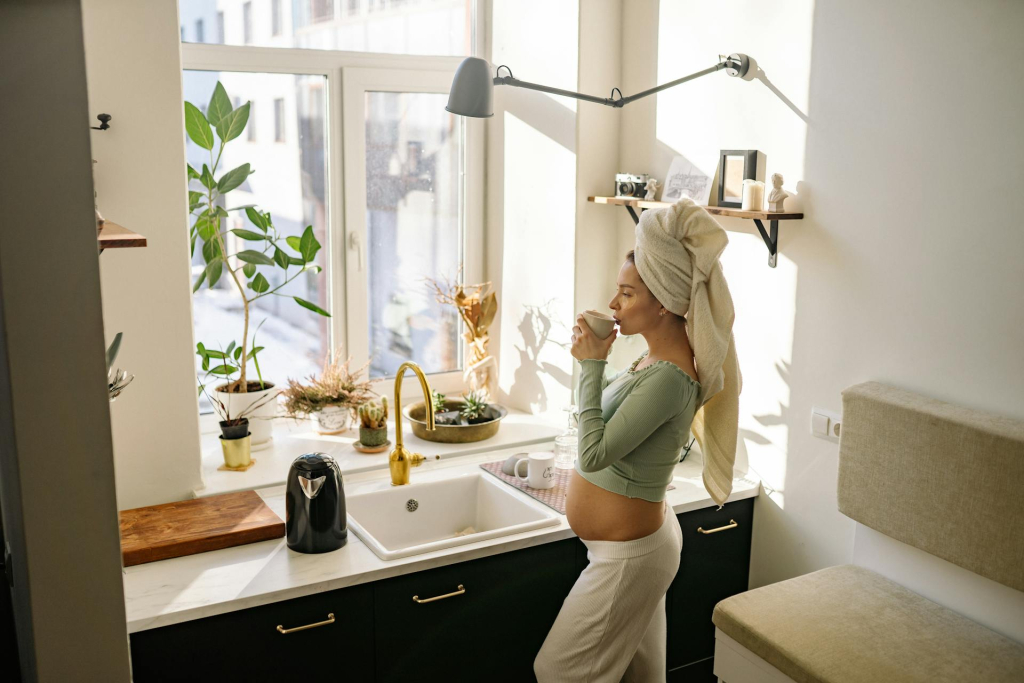
The problem is, this fearmongering isn’t just theoretical
It really shapes how women see themselves. Even before having kids, there’s that worry in their minds: “Will I still like how I look? Will others?” Society often feeds this doubt. Ads, magazines, and social media mostly show “bodies bounced back after birth” — as if there’s a “normal” state to return to. But the body hasn’t broken, it’s just changed.
Childbirth isn’t an accident or a “mistake” to fix. It’s a huge biological and emotional achievement, and if there are signs of it, mothers can wear them with pride. Moms deserve that. Why should it be a problem if a woman’s body looks different after birth?
And if it is a problem, why do we still judge moms who choose to start or continue exercising after having kids — whispering behind their backs that they only care about looks while the kids are with grandma?
What’s the point of this? Whether a woman’s shape has changed or her belly stayed tight, should she feel bad about her body? That’s just absurd.
We need to change how we see bodies, especially female bodies. A body isn’t just an aesthetic object. A woman’s body isn’t about “sexy” or “not sexy” — it’s hers alone. Only hers. And if she chooses to share her body’s sovereignty to bring life into the world, that doesn’t give society permission to treat her body like public property.