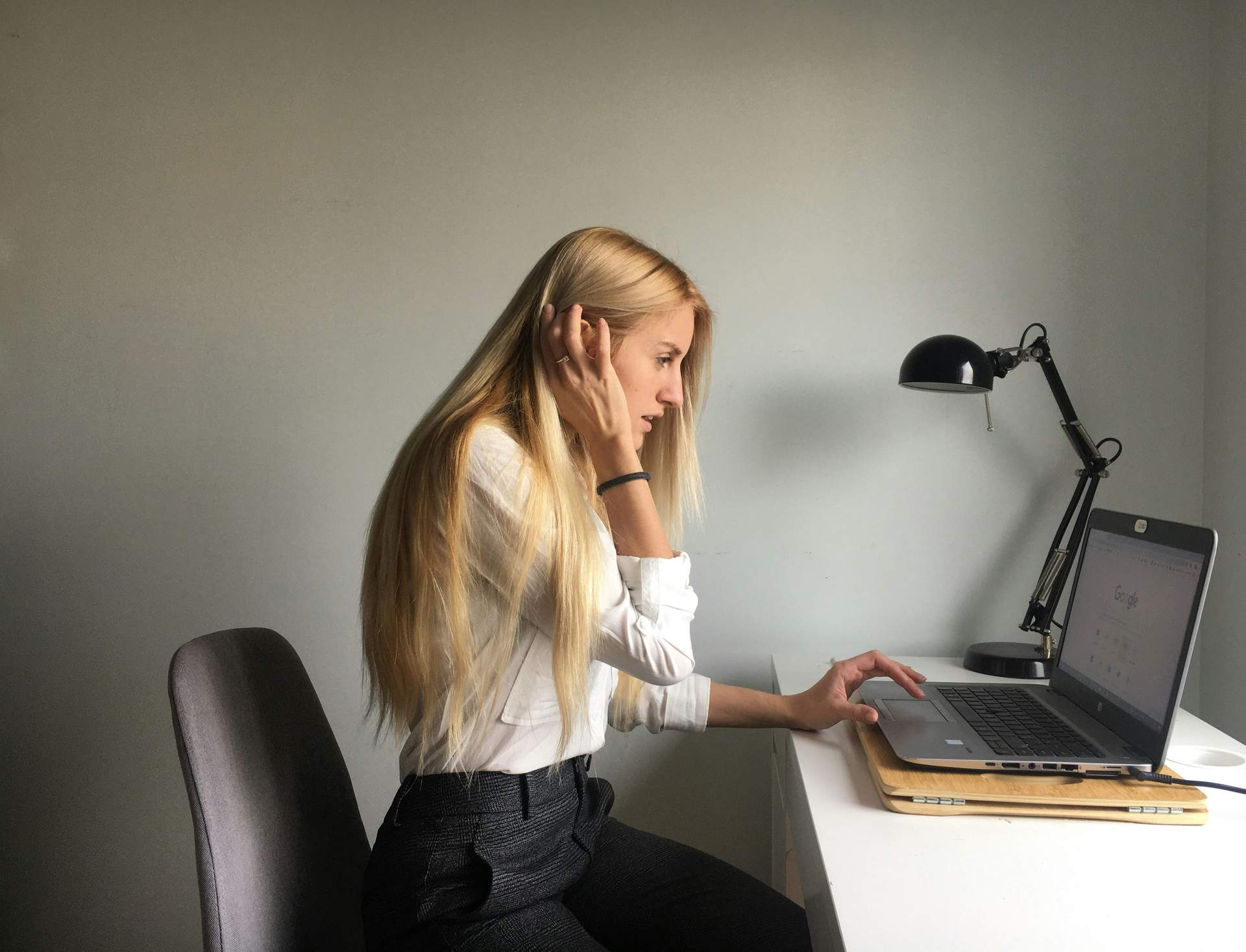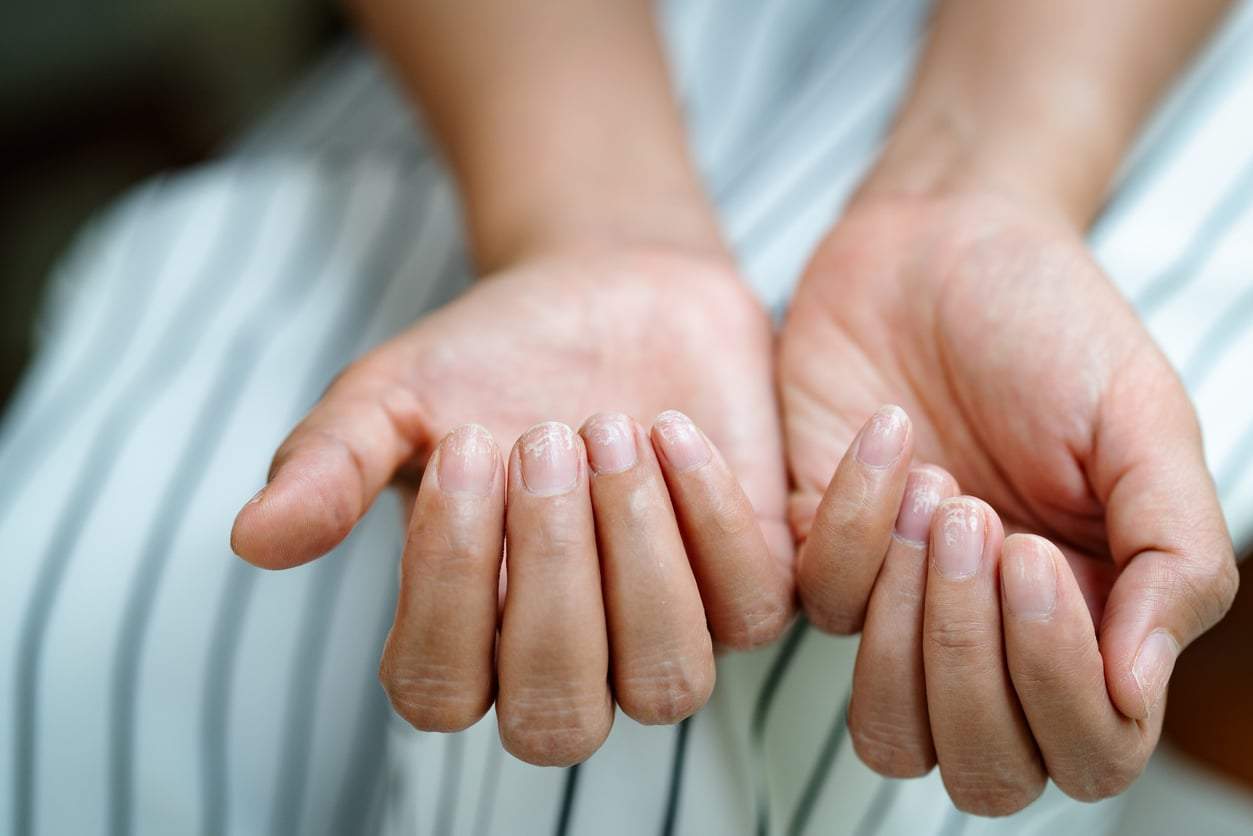
"I’m gritting my teeth, I can handle this now, who has time to deal with this, and anyway, I don’t want to complain here"—thoughts many of us have probably had when it would have been wiser to listen to what our bodies were telling us.
But we know our bodies best, so when they send signals, it’s worth paying attention. Especially because if we ignore the gentle warnings, stronger signals will follow. I learned this the hard way, shedding the ingrained "tough it out and keep going" mindset only after many years—and in the meantime, I put my body through way more pain and strain than necessary.
I Thought Severe Menstrual Cramps Were Just Normal
As a teenager, I accepted it as normal that on the first days of my period, I sometimes couldn’t even go to school because of the pain. My cramps were so intense that I often couldn’t sit properly, and half-hanging off my bed, I would vomit into a basin from the waves of pain gripping my whole body. The women around me said things like: "Everyone hurts like this," "That’s just how periods are," "It’ll get better after you have kids."
The problem is, menstrual pain doesn’t work that way. Severe pain is never "normal," just common. But common doesn’t mean acceptable.
Years later, after missing work because of the cramps, I finally decided to get checked out—no matter what anyone said. A simple ultrasound—something no gynecologist had done before because I was young and “what could be wrong”—revealed a cyst causing my symptoms. I had surgery, recovered quickly, and since then, my periods have been almost pain-free.

That’s when I realized: I had lived for years accepting pain as the default. I didn’t ask for help. I didn’t trust my own body screaming at the top of its lungs that something was wrong. And for years, I let a few unruly cells control my life.
My Back Pain Started as a Quiet Decline
My back pain also began in my teenage years. At first, it was just in the mornings, then after workouts, and gradually more often. Meanwhile, I did everything to avoid dealing with it: sitting differently, finding softer pillows, trying all sorts of home remedies, and convincing myself "it’ll get better."
By the time I was 35, I sometimes couldn’t get up from the couch without pain. My body had simply stiffened. Movements that used to be automatic suddenly felt like a struggle.
Months of physical therapy were needed to move normally again. Strengthening muscles, regular exercises, and correcting posture helped a lot—but it was tough to undo years of bad habits. I’m much better now, but it still frustrates me: it didn’t have to come to this.
If I had listened sooner, sought help earlier, and not swept the problem under the rug, I could have spared myself a lot of pain.
My Constant Headaches Had a Simple Cause
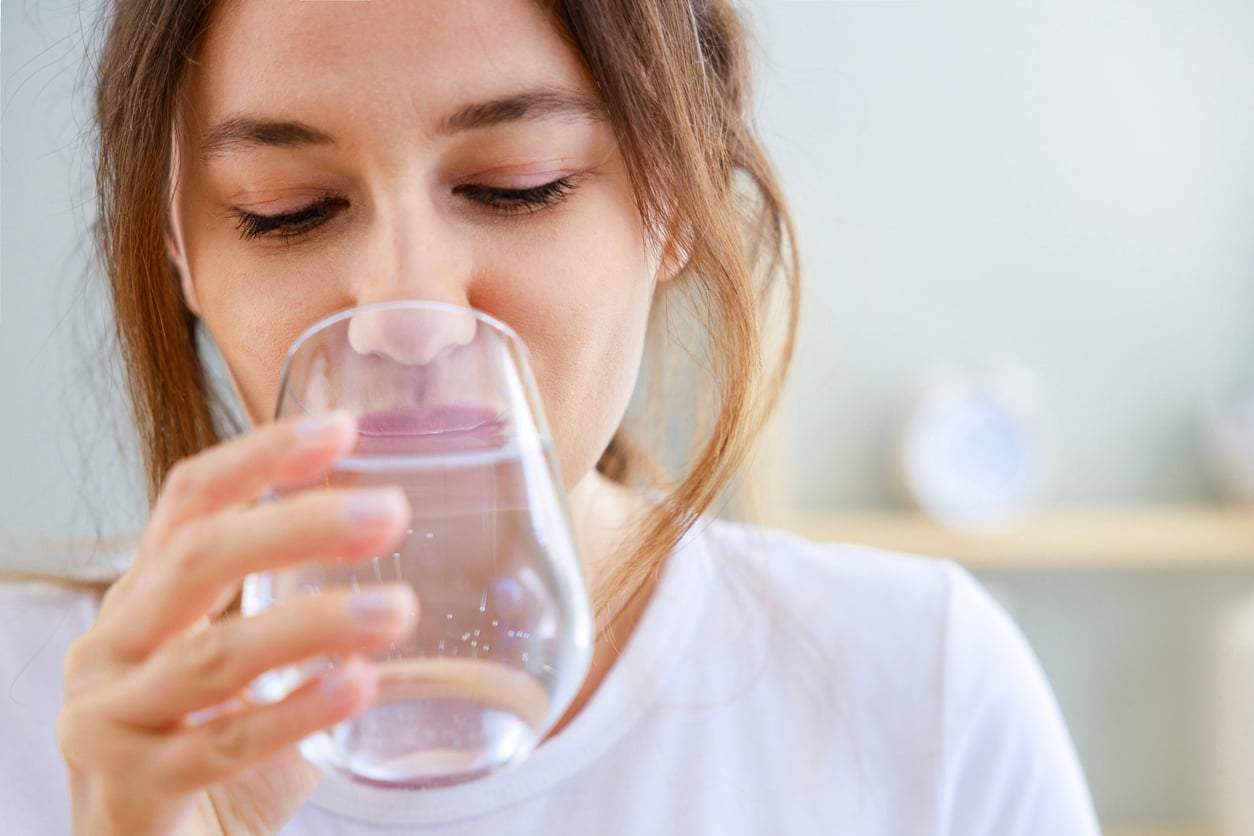
The third sign was so simple I almost feel silly sharing it: I wasn’t drinking enough water. That’s it.
My headaches were almost constant for years. I woke up with headaches, felt even the slightest weather change, and by day’s end, my head throbbed dull and persistent. I blamed lack of sleep, the weather, screen time—everything except the real cause: myself.
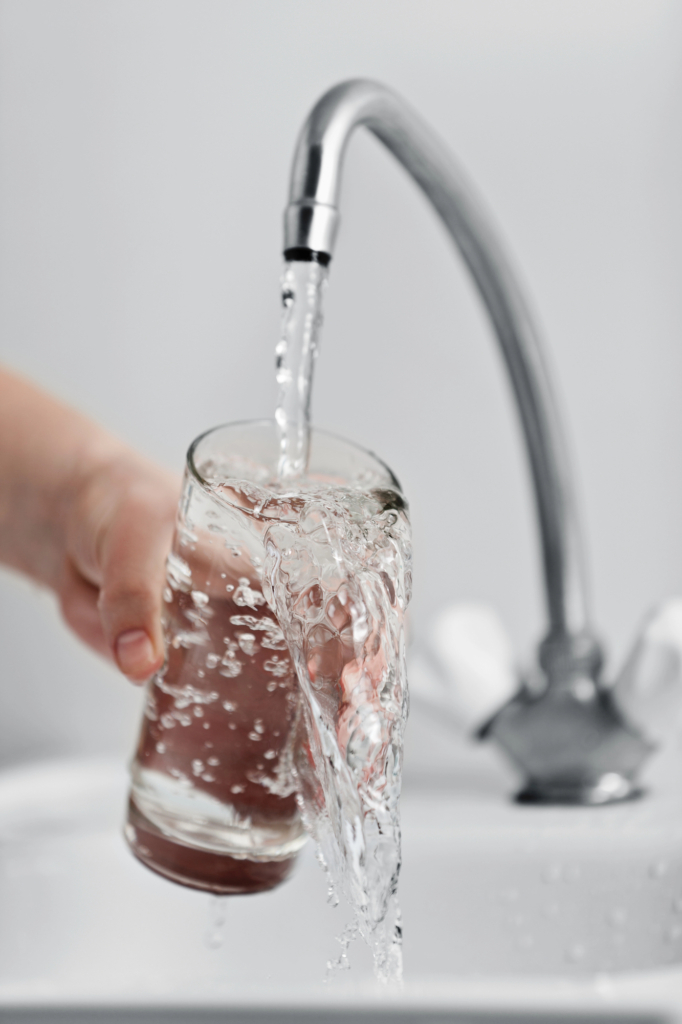
During a routine internal medicine check-up, I learned that I was drinking so little fluid that my kidneys already showed signs of constant strain.
Luckily, the process was still reversible—but I had to truly commit to drinking more water. And lo and behold, my headaches disappeared once I started staying hydrated.
What I Learned From All This...
Despite what work culture has taught us, our bodies aren’t enemies. They’re not cranky, oversensitive, or dramatic machines. Our bodies are like a well-meaning friend: they’re here to work with us, to support us, but we need to respect their needs. If we exploit them, the relationship quickly sours.
My biggest takeaway? Pain and discomfort aren’t just part of life. You don’t have to be a hero. You don’t have to endure it or get used to it. It’s okay—and necessary—to ask for help. The first step is believing you deserve to feel good.