When I was a child, if something upset me, I could get worked up in a split second. Back then, it felt natural—who wouldn’t stomp their feet over unfairness?
But my fiery nature didn’t fade during early adolescence either. Even in my early twenties, whenever I faced challenges or worries, my mind immediately ran through the worst-case scenarios. You could tell by my expression, even though inside I was making tough decisions and stubbornly sticking to my choices.
I was never the type to yell at others openly, but I wasn’t afraid of confrontation. My patience was limited, and my empathy was much thinner, so even the smallest irritation could throw me off balance—at those times, my world felt like it was falling apart.
Looking back now, many reactions seem obvious and I understand the reasons, but it’s interesting to reflect on that woman… Sometimes it feels like she wasn’t even me!
The Turning Point
Then, one day, I grew up—not just legally, but inside too. Growing up is often tough and pushes us into situations we least want to face. But when we overcome them, we come out stronger.
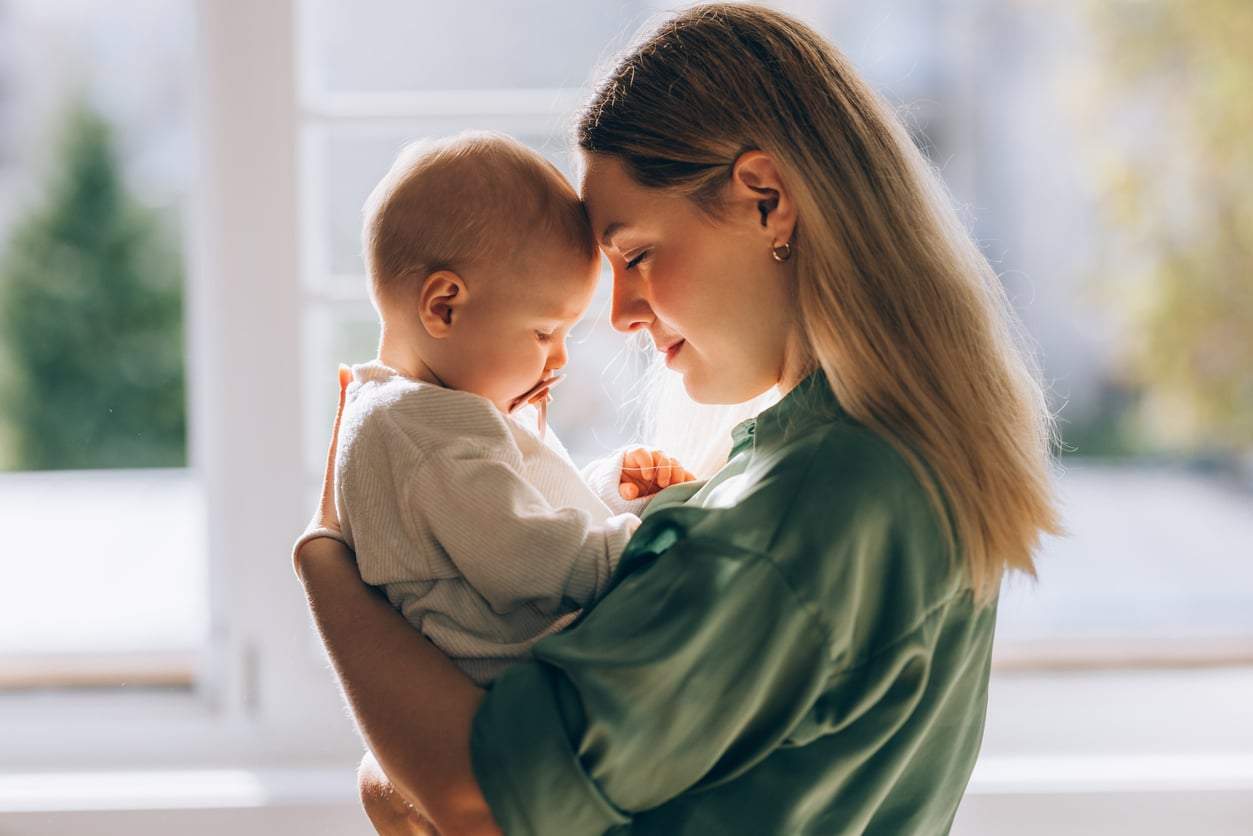
I think the real turning point for me was becoming a mother. When my daughter was born, my life suddenly shifted to a completely different rhythm. My previous fiery reactions slowly gave way to a kind of peace, because everything started to shine in a new light.
I was no longer the priority, my needs weren’t the focus, so it felt like a luxury to get upset over every little thing. I don’t even know how I changed so much in such a short time, but after those very tough first months, I felt like a completely different person.
I remember how good it felt when an old, dear teacher (who had known me since I was a baby) remarked that she never imagined I’d be the kind of mom who lives in such harmony with her child. That’s when I truly realized something inside me had changed.

It’s Not Just Motherhood
Before anyone jumps to conclusions, let me be clear: I don’t believe motherhood magically fixes anyone’s life. (In fact, the best would be to start motherhood already in the mindset I gained through it…)
But for me, it sparked a process that led me to dive deeper into self-awareness. I stopped just learning from books and started putting what I learned into practice by joining group and individual sessions.
I became more mindful, observed my reactions, and slowly learned that calmness isn’t a given—it’s earned. It took lots of practice, inner conversations, perspective, and many mistakes before others started seeing me as calm.
The Real Secret: The World Didn’t Change, I Did
I remember the first time a friend said to me, “I can’t believe you actually get angry.” And I remember my reaction too—we laughed about the shocked look on my face when I heard that.
Later, others also commented on how “calm my vibe is.” Over time, I heard this so often that I had to stop and think about what had changed inside me.
One of my first discoveries was that I used to expect my environment to help me, to react differently so everything would go smoothly—and so I wouldn’t have to get upset. Now I know that when I decided to take responsibility for my own reactions (because I felt my daughter needed to see that example), everything changed completely.
I can’t control what others say or do, but I can control how I respond. As cliché as it sounds, this realization brought me huge freedom. I no longer get swept into tension automatically—I pause, look at what’s really bothering me, where I’m stuck—and then I bring that topic to my next therapy session.
Over the years, I’ve learned that every tension hides a trigger. When someone “pushes my buttons” with a single sentence, I don’t feel anger anymore—I observe why that button is even there.
Often, it turns out that it’s not the other person’s words that hurt, but an old lack, a childhood vulnerability, or simply my fragile self-confidence on that topic. When I started consciously facing these, many things suddenly lost their power over me.
Another Lesson: I Don’t Have to React Immediately
I used to say whatever I thought right away, but now I wait a bit. I’m not sweeping problems under the rug—I just give myself time to see things more clearly.
Often, that’s enough for the intense emotion to calm down and for a much clearer response to emerge.
And maybe most importantly: I’ve learned to set boundaries. It’s not always easy to say when something hurts, but if someone repeatedly crosses my imaginary line, I’m no longer afraid to say: this is not okay with me.
Surprisingly, most people respect it when we clearly communicate what we can and can’t handle. At worst, they leave our lives—but that brings peace too.
So, when someone tells me nowadays, “You’re so calm, I never see you upset,” I always smile. Not because it’s entirely true—I’m human too, and storms do rage inside me sometimes. But because I know how much work is behind it.
Some people might be born with Buddha-like calm, but that’s not me. Many think my peace comes from having an easier life, but I know that’s not the case. The world around me is still full of unexpected twists. What’s easier now is my attitude.