Maybe you’ve experienced it too: a helpful remark or a small observation triggers a powerful reaction from someone else that you never saw coming.
In these moments, we’re often left confused and quick to label the other person as "overly sensitive." But behind that strong rejection, there’s almost always an invisible, deeply rooted story that shapes how we connect with ourselves and those around us.
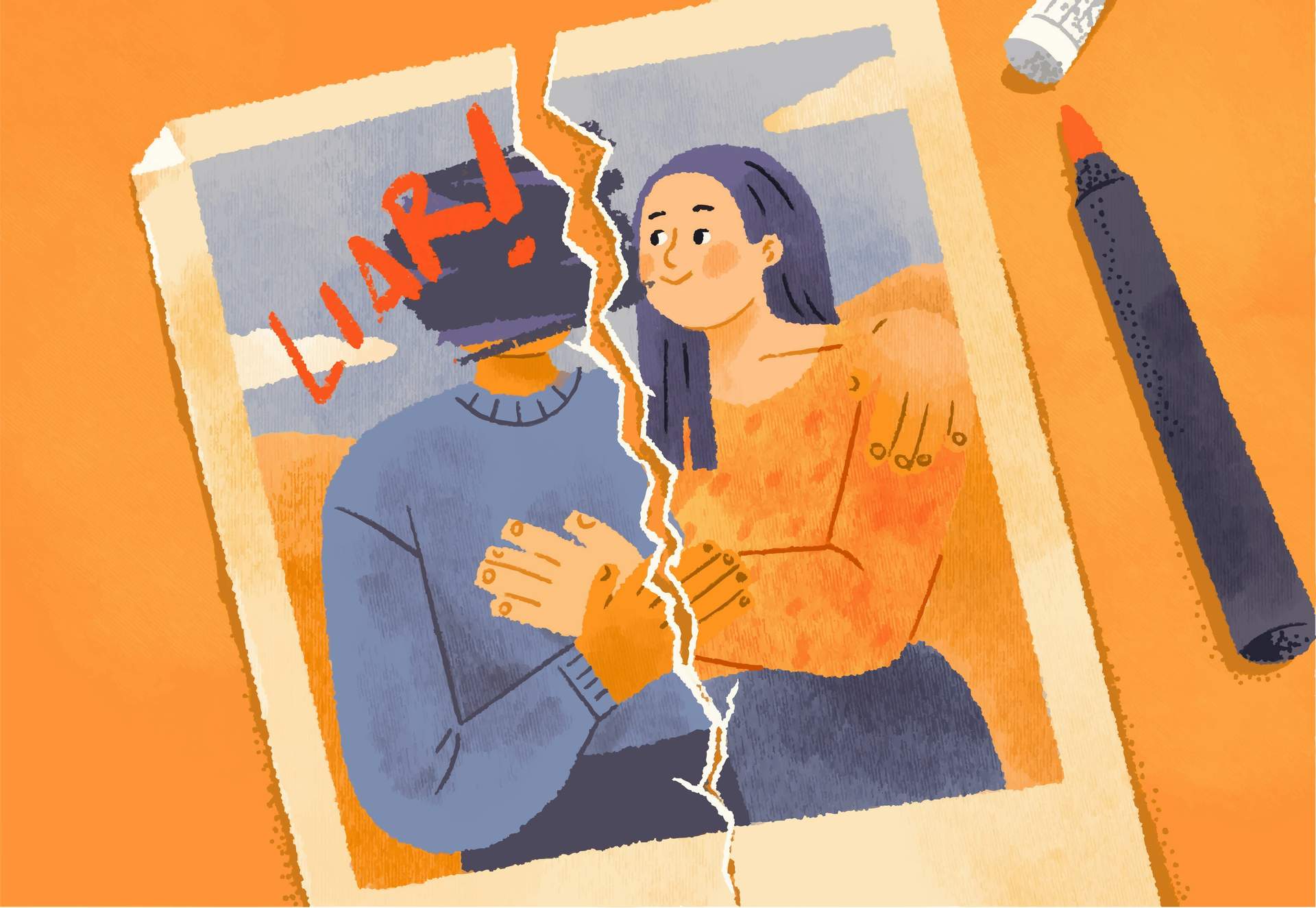
I used to think that people who can’t handle criticism were just easily hurt. Now, I see it more clearly—especially since a well-intentioned, encouraging comment I made ended a long friendship. That experience showed me that often, those who react most strongly to others’ (real or perceived) negative opinions are actually their own harshest critics.
For them, external criticism isn’t just another opinion—it’s a painful echo that amplifies their inner voice. Since realizing this, I try to give myself an extra moment before responding to someone’s tension. It’s not always easy, but more and more I see that others’ reactions aren’t always about me—in fact, often they’re the least about me.
Understanding that those who defend themselves most fiercely actually need more recognition and safety has reshaped many parts of my life. While this insight didn’t change how my friendship ended, without that conflict, I might never have seen this deeper layer.
What Invisible Burden Might Someone Be Carrying?
One of the most common reasons for strong rejection is an uncertain self-image. When someone doesn’t deeply know their values, boundaries, and motivations, every outside opinion feels like a threat—there’s no stable inner foundation to measure it against.
Imagine your partner asks you to change a certain behavior that bothers them. How would you respond? Someone with solid self-awareness might be surprised but able to weigh the request: they know they have flaws but still see their worth. If the request makes sense, they’ll adjust; if it feels like a core part of who they are, they might start to pull away.
On the other hand, someone lacking inner certainty can take even a small request as a full-blown attack—something to escape from, whether by physically withdrawing or reacting with anger or defensiveness.

Lack of Compassion Toward Ourselves
We all make mistakes, but the real question is how we talk to ourselves in moments of failure. Without a supportive, understanding inner voice, even constructive feedback can narrow our perspective in an instant.
In those moments, panic and defiance replace reason: instead of seeing a chance to grow, the person immediately looks for escape routes or resistance.
Someone who can’t be kind to themselves struggles to accept correction from others, because it feels like admitting complete failure.
What’s Behind All This?
Many people simply lack the skills to recognize and manage sudden feelings of shame or anger. If someone never learned how to stand up for themselves without causing harm or how to stay present in tough but constructive conversations, criticism can feel like an unbearable emotional storm.
These gaps usually aren’t adult mistakes but echoes of the emotional environment from childhood.
In families where emotions were ignored or it wasn’t safe to express needs, the inner security needed to handle feedback never developed.
Luckily, it’s never too late to start healing and learning new skills! Criticism isn’t a verdict but information to weigh: it might be helpful, or it might not—but it never defines your worth.
If you begin to mindfully notice your inner signals and approach your weaknesses with compassion, the world’s feedback stops feeling like attacks and becomes helpful signposts. This mindset not only makes you more accepting of yourself but also builds bridges with your friends.
Even if some relationships don’t survive the journey, your heart stays peaceful because you know: sometimes it wasn’t your words that were too strong, but a deep, unhealed wound speaking in the other person. In those moments, keeping distance isn’t anger—it’s a mature choice: choosing self-love and boundaries over falling into an unworthy cycle again.
This insight gives you the freedom to stop defending and start connecting honestly—with those ready to grow alongside you!