There are people who seem to make a room feel calmer just by walking into it. Conversations soften around them. Strangers open up to them on trains. Friends call them at 2 a.m. — not knowing exactly why, just knowing it helps. According to folk astrology, some of this may come down to the moment you were born.
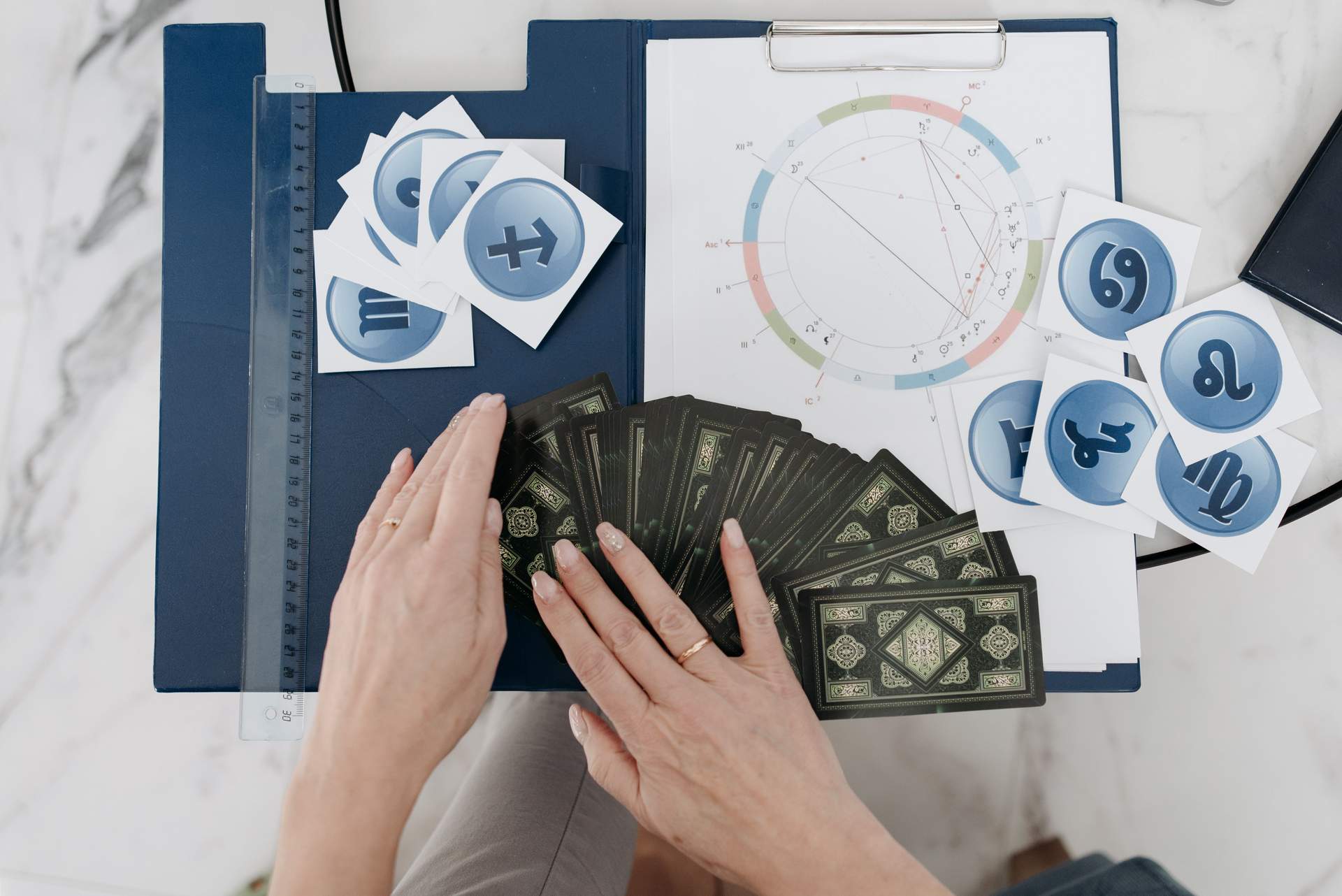
The phenomenon is known as being born on the cusp — that transitional window of a few days when one zodiac sign's energy is fading and the next is rising. Those born during this in-between period are said to balance between two worlds their entire lives, and it's precisely that balancing act that gives them a quiet, instinctive capacity to heal.
What this gift actually looks like
This isn't about medical degrees or miraculous abilities. It's something far more grounded: an instinctive sensitivity to other people's pain — often before it's even spoken aloud. Cusp-born people are frequently the ones their friends turn to before a difficult conversation, without quite being able to explain why they reached for that particular contact.
This sensitivity often shows up physically too. Crowded spaces are draining. Other people's tension feels almost tangible, like it lands directly on their skin. Far from being a weakness, folk tradition sees this as the natural price of a finely tuned inner radar — a gift that came with the territory of being born between two energies.
The warmth in their hands
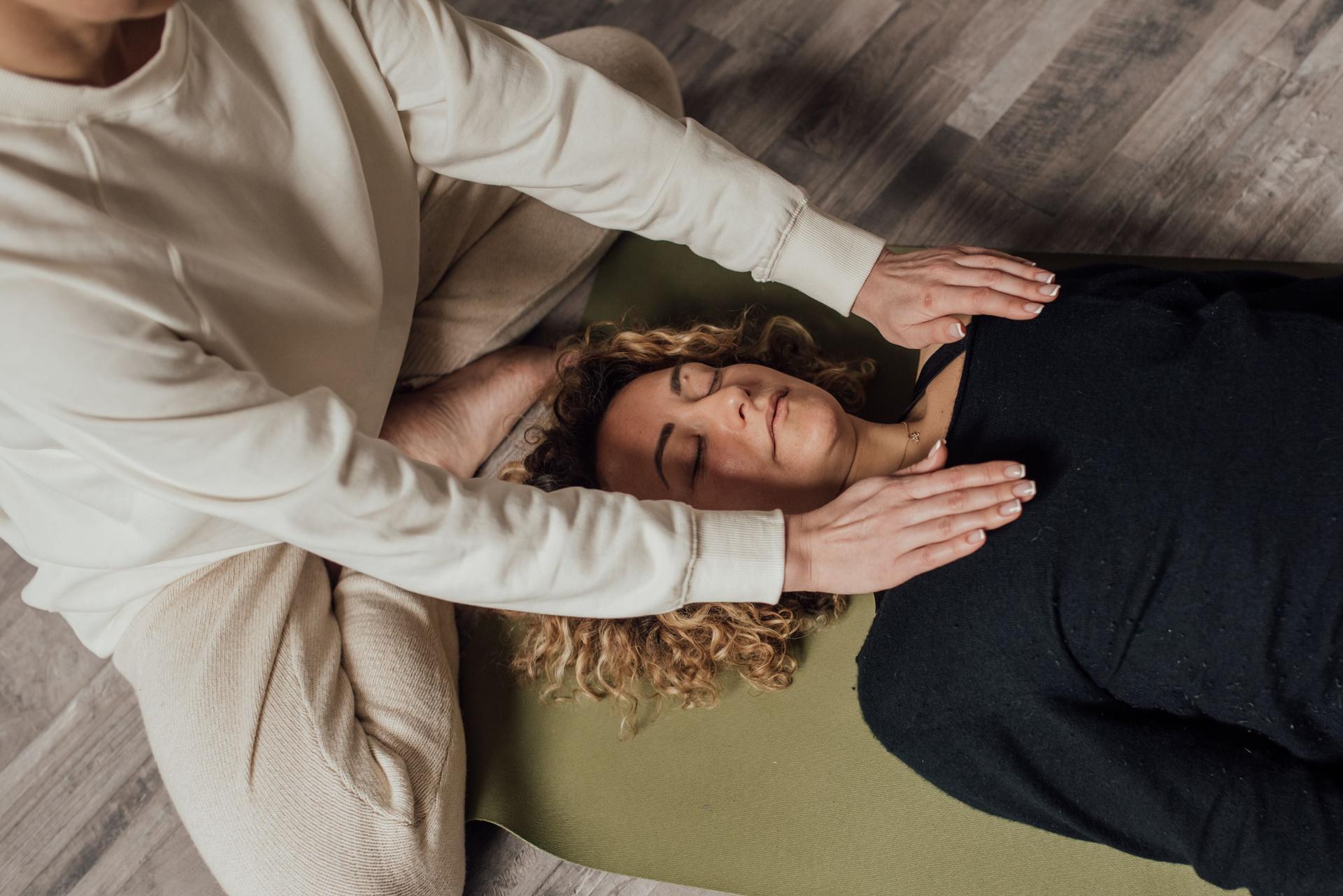
Across many cultures, there's a long-held belief that people with a natural healing instinct have a different quality to their touch — warmer, steadier, more grounding. This has nothing to do with medicine. It's that rare, simple ability to ease the tension in someone else with a hand on the shoulder or a calm, unhurried presence.
These people often have no idea where the quality comes from. They only notice that time seems to slow down around them — and that arguments tend to resolve more gently when they're in the room.
The cost that comes with it
This kind of sensitivity carries a real weight, and folk wisdom doesn't shy away from that. People who absorb others' pain so readily often forget to protect their own. Many only learn in adulthood that setting boundaries isn't selfishness — it's survival. Without that skill, they burn out. The warmth that others depend on quietly goes cold, at least for a while.
Learning to give without depleting yourself is one of the central challenges for anyone with this kind of deep empathic wiring. It's not a flaw in the gift — it's simply part of learning how to carry it.
How to recognize it in yourself
Think back over your life. Do any of these feel familiar? As a child, adults would confide in you — even when you hadn't asked. Animals and small children gravitate toward you with unusual ease. When you sit beside someone in a waiting room, you instinctively lower your voice, slow your movements, as if your body knows what the moment needs.
These aren't hard proofs. They're gentle signals that the sensitivity you carry may genuinely trace back to something that began the moment you arrived in the world — in that brief, charged space between one zodiac energy and the next.
You don't need a ritual or a birth chart confirmation to use this gift. You just need to notice when it's working — like that afternoon when someone sitting next to you took a long, slow breath and visibly relaxed, simply because you were there.
Are cusp births real in astrology?
The concept of being "born on the cusp" comes from folk and popular astrology rather than classical astrology. It refers to the few days when the sun is transitioning from one zodiac sign to the next, and many people born during this window feel drawn to traits of both signs.
What are the signs that you might have a natural healing sensitivity?
Common signs include people confiding in you without being prompted, feeling drained in loud or tense environments, and instinctively adjusting your energy to comfort others. Animals and children often respond to you with particular trust.
Why do highly sensitive people tend to struggle with boundaries?
Because they absorb others' emotions so easily, sensitive people often prioritize everyone else's needs over their own. Setting limits can feel selfish, even when it's essential — and many only learn to do it comfortably in adulthood.
Can this sensitivity lead to burnout?
Yes. Without clear personal boundaries, people with this kind of empathic wiring are prone to emotional exhaustion. The same quality that makes them comforting to others can quietly drain them if they don't learn to protect their own energy.