
If you have ever attended a friendly gathering in Hungary, you might have received a strict warning: Hungarians do not clink beer mugs. But what is the reason behind this unwritten rule? And how did beer-related customs and beliefs develop in different parts of the world? Seeking answers, we delve deeper into the fascinating history of beer and its associated culture.
From Tragedy to Tradition – The History of the Hungarian Toast
According to legend, Hungarians vowed in 1848, following the Viennese celebration organized to suppress the Austrian revolution, not to clink beer for 150 years. Although the 150 years have long passed, many still adhere to this tradition today. The Austrian leaders allegedly clinked beer to celebrate the execution of Hungarian freedom fighters, deeply offending the Hungarians.
This story, although questionable, reminds us every year on October 6th of Hungarian history and the memory of the victims. Still, many Hungarians have chosen to respect their ancestors' decision and do not clink beer, resulting in a unique cultural custom worth knowing and respecting.
Brands That Changed the World of Beer
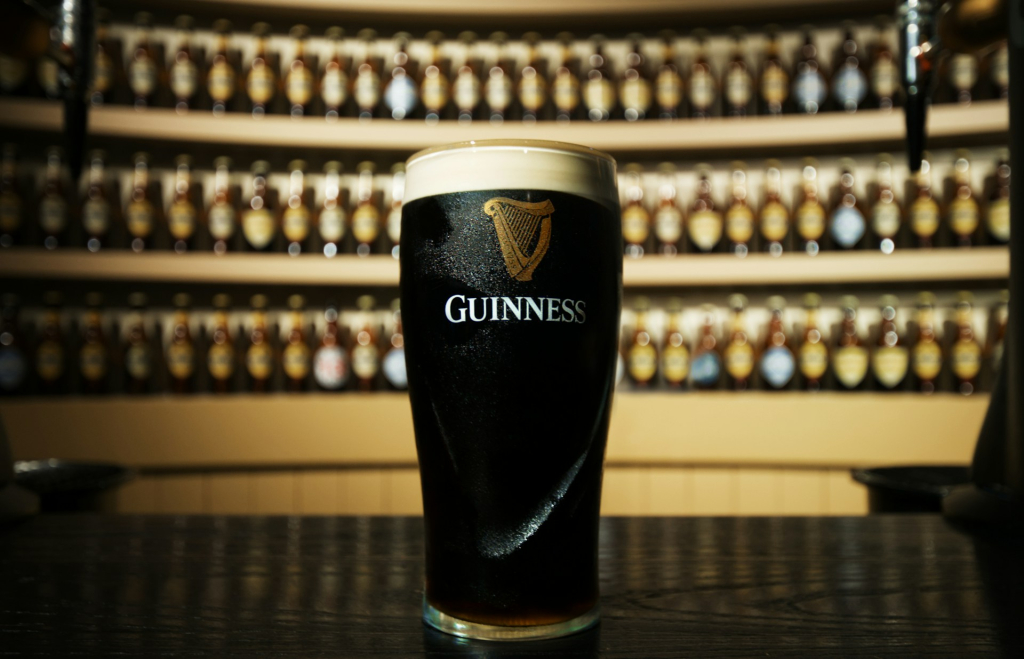
Another exciting part of beer history is the emergence of famous beer brands. Did you know, for example, that one of the world’s most famous beer brands, Guinness, was originally a Christmas beer? The Guinness breweries began with Arthur Guinness’s founding in the late 18th century in Dublin and have since remained a significant player in the global beer market. The festive beer, which started as a mash, is now available year-round and has won countless fans worldwide.
The Female Pioneers of Brewing
For a long time in the history of brewing, women held the craft of beer making. Especially in the Middle Ages, it was customary for women in households to brew beer, which at the time was often considered more of a staple food than a luxury item. Men only took over this role later when brewing became industrialized and large-scale.
Medieval brewing women not only created fine beers but also contributed to making social events communal experiences. To this day, we enjoy the traditions they preserved, as beer making remains an important element of cultural celebrations and community gatherings.
The Tradition of Bavarian Beer Festivals
When beer festivals are mentioned, it is almost impossible not to mention the famous Oktoberfest. The event was first held in 1810 in Bavaria and has since become one of the world’s largest folk festivals. Oktoberfest is famous for its traditional beer tents and beer specialties, attracting millions of visitors to the heart of Munich every year.
However, the festival is not just about beer consumption; it is a cultural event that includes Bavarian music, dance, and traditional food presentations. It is an ideal venue for those who want to experience the joy of beer, music, and friendly relationships.
Mysteries and Rarely Heard Facts About the Origin of Beer
There are also interesting facts less known among laypeople. For example, the phrase "Fenékig!" (meaning "to the bottom!"), which refers to completely emptying a beer mug, is believed by many to originate from the old times when beer drinking was often accompanied by toasts and loud clinking of glasses. The drinking custom was the highlight of social events, and the clinking remains a symbol of friendship and unity.
Additionally, it was long mistakenly believed that beer was only the drink of common people, while in reality, it was also popular in royal courts and noble feasts. Various types of beer existed, each made for different target groups, thus shading the world of beer and its social perception. Nowadays, beer is again at the peak of its popularity, with numerous craft and local brewers expanding the market.