
The Biological Clock and Kids’ Sleep Cycles
Kids need a lot more sleep than adults, and their biological clocks, which regulate this need, shift during adolescence. Early school start times often ignore these natural changes, pushing for earlier bedtimes and wake-ups. This sleep loss doesn’t just cause tiredness—it raises the risk of health issues like anxiety and depression too.
Research shows that teens’ biological clocks shift later, meaning they naturally go to bed and wake up later. Ignoring this shift with early school schedules cuts down both the quantity and quality of their sleep, which can harm their health over time.
The Psychological Impact of Early Rising
Poor sleep habits don’t just affect physical health—they also take a toll on mental well-being. Low-quality sleep can seriously disrupt kids’ lives: it may lower school performance and increase the chance of behavioral problems. It can also raise stress levels and emotional instability, potentially leading to long-term mental health challenges.
Chronic sleep loss can have especially concerning effects like depression and anxiety.
For young people, proper rest is essential for mental health. That’s why it’s so important to keep an eye on their sleep habits and needs.
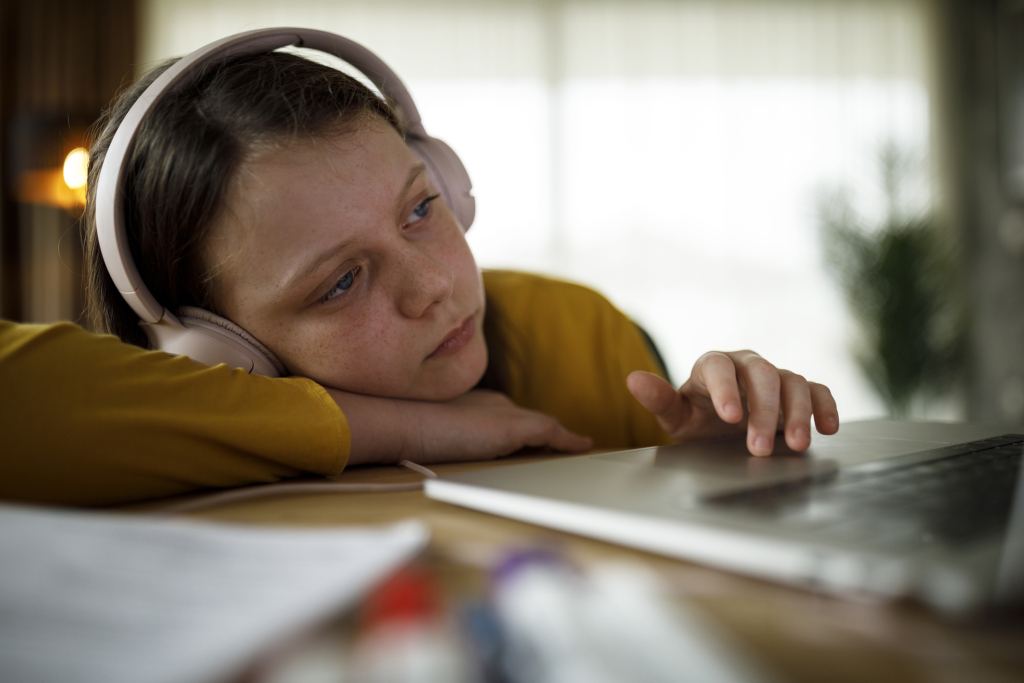
How the Education System Shapes Sleep Habits
Many schools stick to early start times, but some countries are already making changes that respect students’ natural sleep needs. These shifts often bring clear improvements in both academic results and kids’ overall health.
It’s crucial for education systems to consider the latest research and adjust school start times accordingly. This supports students’ sleep rhythms and health—and can boost educational success in the long run.
What’s the Solution?
Parents and schools both play key roles in supporting healthy sleep habits for kids. It’s important to create consistent evening and morning routines that respect children’s sleep needs. Schools could also review start times and, where possible, offer flexible scheduling.
Parents can help by fostering an environment that encourages calm, restful sleep. This might mean cutting down screen time, promoting physical activity, and encouraging balanced nutrition every day.
Overall, the question of early rising for kids is more complex than it seems. Building healthy sleep habits not only boosts children’s well-being but also helps them meet society’s expectations more easily as they grow.