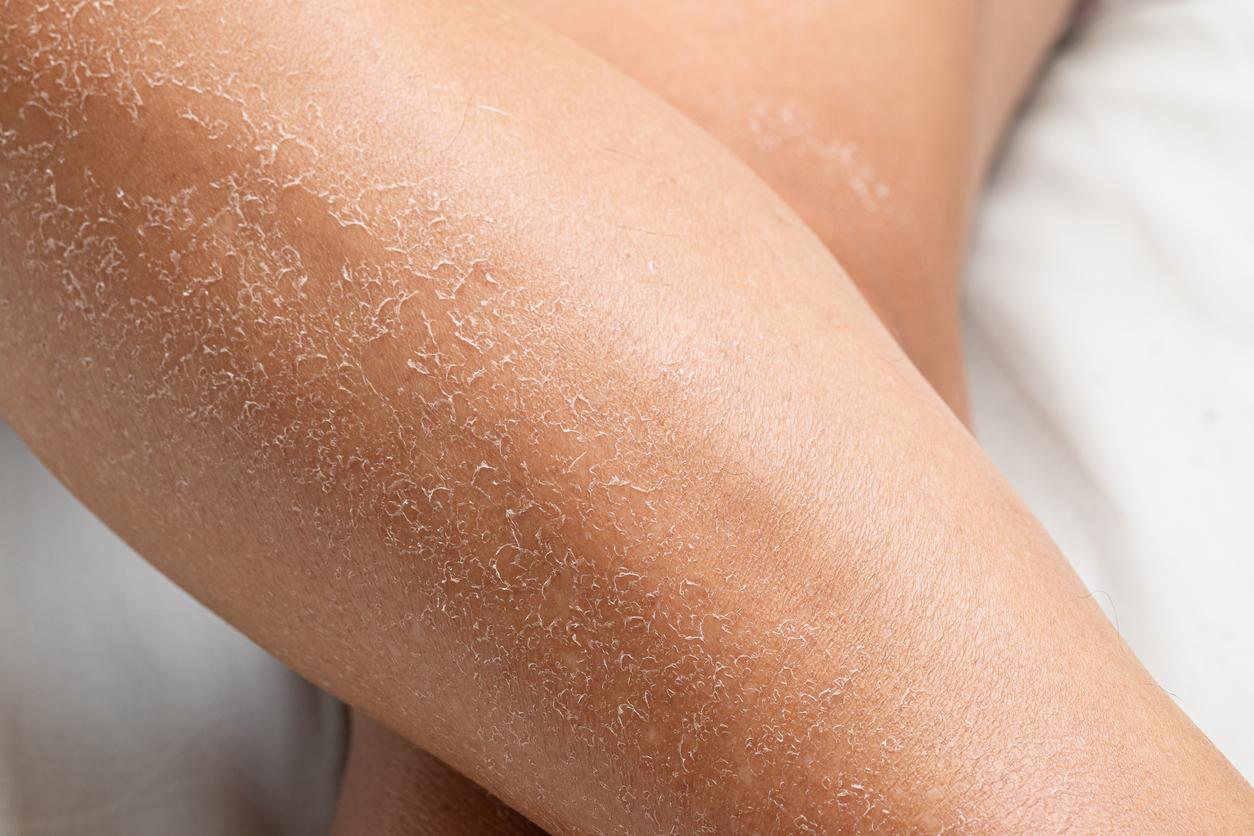
Many of us know the feeling: in winter, our skin seems to lose its vitality, flaking off in dry patches. The lower legs are often hit hardest, which can be not only annoying but sometimes painful. So why does this happen mostly in winter, and how can we tackle it?
Why Does Our Skin Tend to Dry Out in Winter?
When winter arrives, the air’s humidity drops significantly, especially indoors where heating is on. During heating season, indoor temperatures are warmer than what our skin is used to, and the warm, dry air pulls moisture right from the skin’s surface. This leads to a loss of natural hydration, causing dryness and flaking.
On top of that, cold and windy weather makes dryness worse. Cold air holds less moisture, and stronger winds can irritate the skin. The daily back-and-forth from cold outdoors to warm indoors also stresses the skin’s protective barrier.

What Factors Can Make Skin Dryness Worse?
Genetics play a role too—some people are naturally more prone to dry skin. But lifestyle matters just as much. Drinking too little water leaves your skin thirsty for hydration.
Also, hot baths and showers, while cozy on cold days, can dry out your skin. Hot water strips away the skin’s natural oils that lock in moisture. The same goes for harsh soaps and cleansers that can over-strip your skin’s protective layer.
How to Care for Your Skin’s Health in Winter
First, focus on proper hydration. Choose body lotions and creams rich in natural oils and fats like shea butter or coconut oil. These help restore your skin’s protective barrier. Apply moisturizer right after showering or bathing while your skin is still damp to lock in moisture.
Keep bath and shower water warm, not hot, and avoid long soaks.
Use gentle cleansers free from harsh chemicals. Soap-free options can be kinder to sensitive skin.
Hydration from the Inside Out
Don’t forget internal hydration. Drink at least 2–3 liters (about 68–101 fl oz) of water daily to support your skin’s moisture from within. Eat water-rich fruits and veggies like cucumber, watermelon, and oranges.
Moderate your coffee and alcohol intake, as they can dehydrate you. Focus on healthy fats from olive oil and avocado to help keep your skin supple and hydrated.
Natural Ways to Care for Your Skin
There are plenty of natural ways to protect your skin from winter dryness. Olive and coconut oils are great for massages, boosting hydration and circulation.
Almond oil is another excellent choice, packed with vitamin E to nourish and regenerate your skin. Try homemade face masks with yogurt and honey to soothe and hydrate your skin gently.