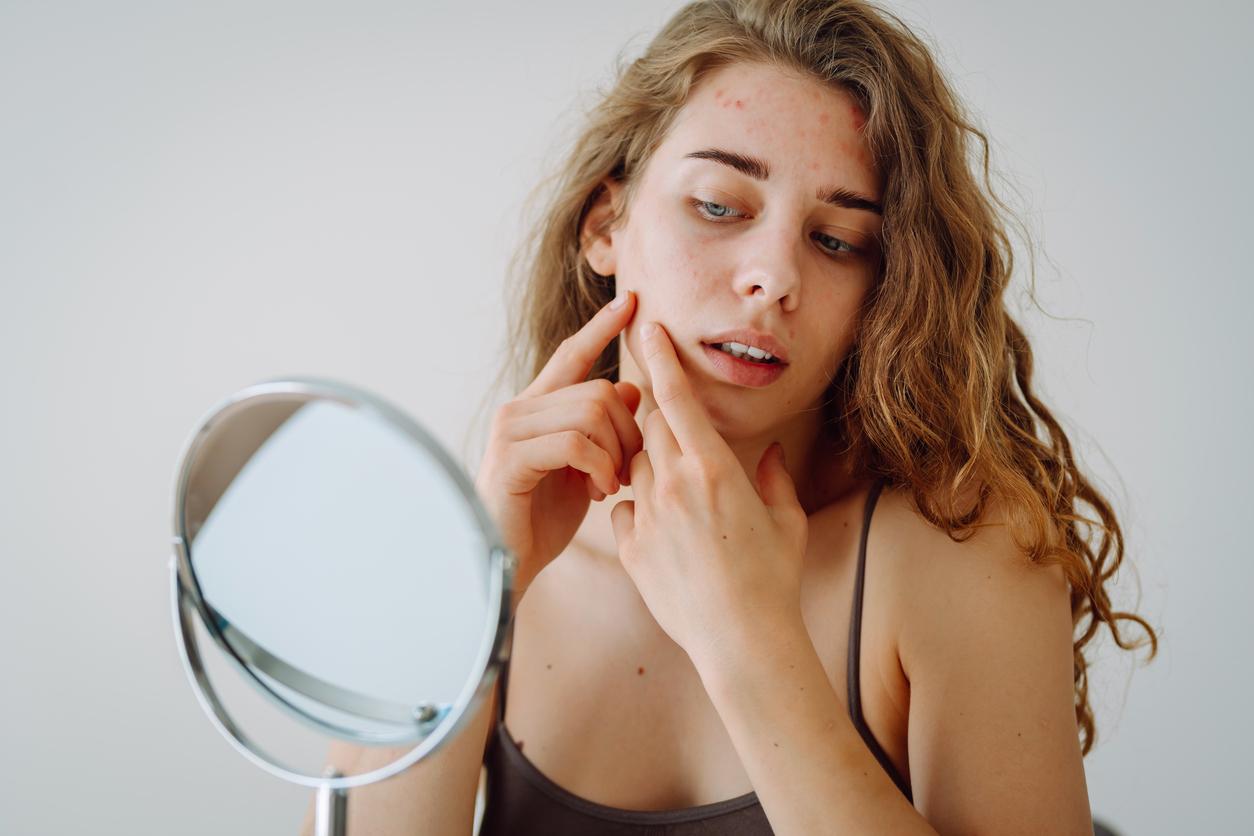
Some weeks your skin looks clear, plump, and radiant. Other weeks it feels tight, dull, or suddenly breaking out for no obvious reason. You're not imagining it. Your hormones are quietly running the show — and your skin is reacting to every shift.
In recent years, the concept of cycle syncing your skincare has gone mainstream, promising that if you adjust your routine to match each hormonal phase, you'll have balanced, healthy skin all month long. But is that actually necessary — or even helpful?
Dermatologists say the answer is more nuanced than the trend suggests. Yes, hormones genuinely affect your skin. But constantly overhauling your routine can do more harm than good.
What your hormones are actually doing to your skin
The menstrual cycle typically lasts between 21 and 35 days and moves through four distinct phases: menstrual, follicular, ovulatory, and luteal. Throughout each phase, levels of estrogen, progesterone, and testosterone rise and fall — and those shifts directly affect your skin's hydration, oil production, sensitivity, and elasticity.
Experts agree: it's completely normal for your skin to look and feel different from one week to the next.
Holistic skincare expert Tammy Fender explains that because of these hormonal fluctuations, many women naturally cycle through periods of glowing skin followed by dryness or sensitivity — and understanding the pattern can help you respond more intelligently.
The menstrual phase: sensitive, dry, and in need of comfort
During the first days of your period, both estrogen and progesterone are at their lowest. According to dermatology PA Christie Kidd, this is when your skin is most likely to lose moisture, look dull, and feel easily irritated.
Estrogen plays a key role in collagen production and the skin's ability to retain water. When levels drop, the skin's natural barrier weakens — making it more reactive to external stressors like temperature changes, harsh products, or even just stress.
What to use during your period
A gentle, hydration-focused routine works best here. Look for ingredients that help lock in moisture and support your skin barrier:
- Hyaluronic acid
- Glycerin
- Ceramides
- Squalane
These won't overwhelm sensitive skin, and they'll help restore comfort during a phase when your skin needs softness, not stimulation. As always, choose products that suit your specific skin type first.
The follicular phase: your skin's best week
Once your period ends, estrogen begins to climb — and your skin tends to follow. This is widely considered the most favorable phase for skin: many women notice their complexion looks smoother, more even, and naturally luminous during this window.
Tammy Fender notes that toward the end of the follicular phase, skin often reaches its healthiest state of the month. Collagen production picks up, hydration improves, and that natural glow becomes noticeably stronger.
What to use during the follicular phase
This is an ideal time to introduce antioxidants into your routine. Vitamin C serums are particularly well-suited to this phase — they can:
- Amplify your natural radiance
- Support collagen synthesis
- Protect against environmental damage
Experts note that vitamin C is especially effective for dull or uneven skin tones, making this the perfect phase to put it to work.
Ovulation: more oil, more breakouts
Around ovulation, testosterone spikes — and with it, sebum production increases. For some women this is barely noticeable. For others, this is when the first clogged pores and inflamed spots start to appear.
Christie Kidd points out that many women experience sudden oiliness or minor breakouts during this window, even if their skin was clear just days before.
What to use around ovulation
Consider switching to a lighter-weight moisturizer and bringing in targeted ingredients to keep pores clear:
- Salicylic acid
- Azelaic acid
- Niacinamide
These ingredients help regulate oil, reduce inflammation, and keep pores from congesting — without stripping the skin of what it still needs.
The luteal phase: hormonal breakouts arrive
For many women, the luteal phase — the stretch between ovulation and your next period — is the most challenging for skin. Progesterone rises while estrogen starts to fall, which can trigger both water retention and increased oil production at the same time.
Dermatologist Dr. Tess Mauricio explains that if you consistently develop cystic, inflamed acne at the same point in your cycle every month, it's very likely hormonal acne — and it may benefit from targeted treatment beyond standard skincare.
Do you actually need a cycle-synced skincare routine?
While it sounds logical to adjust your skincare to match your hormones, dermatologists agree that a complete weekly routine overhaul isn't necessary — and may actually backfire.
According to Dr. Tess Mauricio, skin responds far better to a simple, consistent routine than to constant product swapping.
The problem is that most active ingredients — retinol, acids, and similar treatments — only deliver real results after several weeks of regular use. If you're switching products every week, your skin never gets enough time to adapt and benefit.
What actually works
The smartest approach, according to experts, is to:
- Build one stable core routine
- Pay attention to what your skin is telling you
- Make small, targeted adjustments when needed
Your foundation should cover three basics:
- A gentle cleanser
- A moisturizer suited to your skin type
- Daily SPF
From there, you can layer in targeted treatments — a salicylic acid spot treatment before your period, a vitamin C serum during your follicular phase — only when your skin is actually calling for it.
How to handle the most common cycle-related skin issues
If you break out before your period
Salicylic acid and benzoyl peroxide are your most reliable allies here. Salicylic acid clears pores and reduces inflammation; benzoyl peroxide targets the bacteria behind breakouts. Alongside topical treatments, quality sleep, stress management, and a balanced diet all make a real difference.
One often-overlooked tip: avoid applying heavy, rich moisturizers along the jawline during this phase, as they can contribute to clogged pores in the exact spots where hormonal acne tends to appear.
If your skin feels tight and dry
During your period and the luteal phase, hydration is everything. Reach for ceramide-rich and hyaluronic acid-based moisturizers to restore your skin's comfort and reinforce its barrier.
If your skin looks dull and flat
A vitamin C serum can quickly restore brightness and freshness. Just make sure you choose a stable formula — vitamin C oxidizes easily when exposed to light and air, so packaging matters.
The real takeaway: listen to your skin
Your cycle does influence your skin — and it's completely normal for your complexion to shift throughout the month. But you don't need a complicated four-phase system to keep it healthy and balanced.
Consistency, simplicity, and small intentional adjustments will always outperform constant product rotation. Once you learn to recognize what your skin needs at each stage of your cycle, you'll find it easier to keep it calm, clear, and comfortable — all month long.