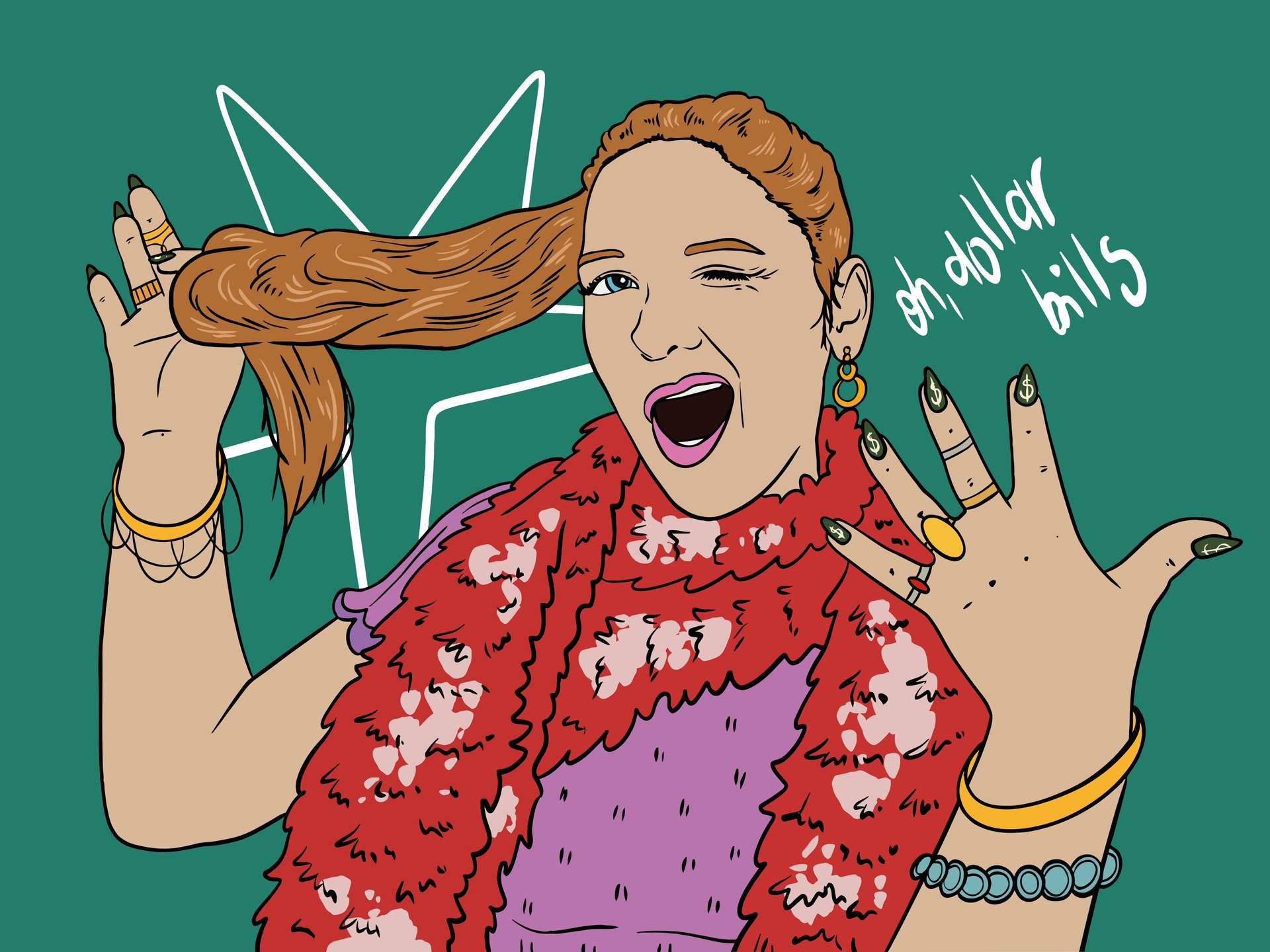
As a freelancer, I quickly faced a tough truth: being great at what I do means nothing if no one knows it. My career depends not only on my expertise but on how well I can promote myself. And that’s where, as a woman, I had to learn some extra lessons.
Because the idea of "my work will speak for itself" is romantic, but in reality, you first have to get the chance to show what you can do.
The first big shift happened in my mindset. I realized that when I enter a meeting acting grateful for the opportunity, the other side instinctively positions themselves above me. It’s not necessarily ill will, more like a habit. Women are expected to be kind, flexible, cooperative. Not "too much." Not "too expensive."
But I decided I would never rush to take any gig.
I always approach meetings knowing that those across from me need my expertise just as much as I need the payment I’m asking for. Actually – and I say this without arrogance – they’ll benefit from choosing me. I bring value. Owning that is nothing to be ashamed of.

The first time I confidently stated my rates, my stomach was in knots. I worried they’d think it was too high. That they’d say, "Not for that price." And sure, some did think it was too much. Some tried to negotiate. I used to get flustered, explain myself, give in.
Not anymore.
My response is simple:
"It’s totally fine if they prefer a beginner who’s happy to work for less. At this price, I guarantee the quality and pace my expertise brings."
Interestingly, this confidence didn’t scare clients off; it reassured them. When someone calmly and objectively stands by their worth, it radiates security. Uncertainty is contagious – but so is steadiness.
But as a woman, building that steadiness is tougher. Our social conditioning doesn’t teach us to ask boldly. It teaches us to be kind, adaptable, and ready to compromise. A man’s decisiveness is seen as "leadership qualities." A woman who knows what she wants is often labeled "tough," "difficult," or "arrogant."
This is something to live with – and handle consciously
For me, a key was emotionally separating myself from the negotiation. I don’t take it personally when someone tries to haggle. It’s business. The price isn’t about my self-worth but about my service’s market position.
Another crucial tool is being prepared. I come to every meeting with concrete numbers, references, and results. I don’t just say "I’m good"—I show what that means in practice. Specific campaign results, readership stats, conversions, returning clients. Facts shift the focus from me personally to my performance.

It also helped that I learned to stay silent. When I state my price, I don’t rush to justify or soften it. I just let it hang in the air. Silence often speaks louder than over-explaining.
And one more thing: I sought community. Talking with other women entrepreneurs, I realized my dilemma isn’t unique. We all wrestle with the same inner voices: "Are you asking for too much?", "What if they say no?", "Shouldn’t you be more grateful?" These voices don’t reflect reality but the patterns we’ve been taught.
Being taken seriously as a woman doesn’t mean being loud. It doesn’t mean being tougher than men. It means knowing your worth inside and calmly, consistently standing by it.