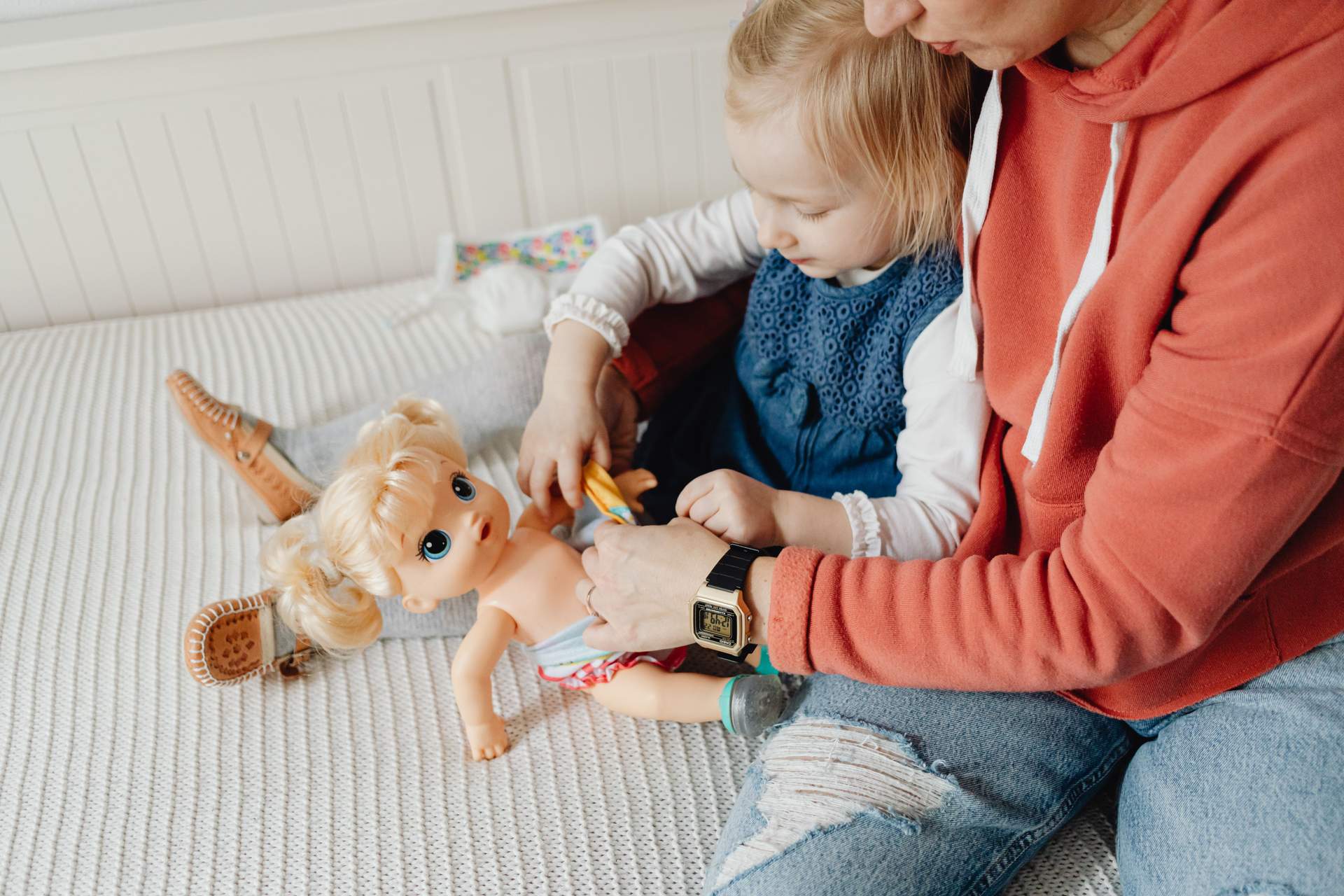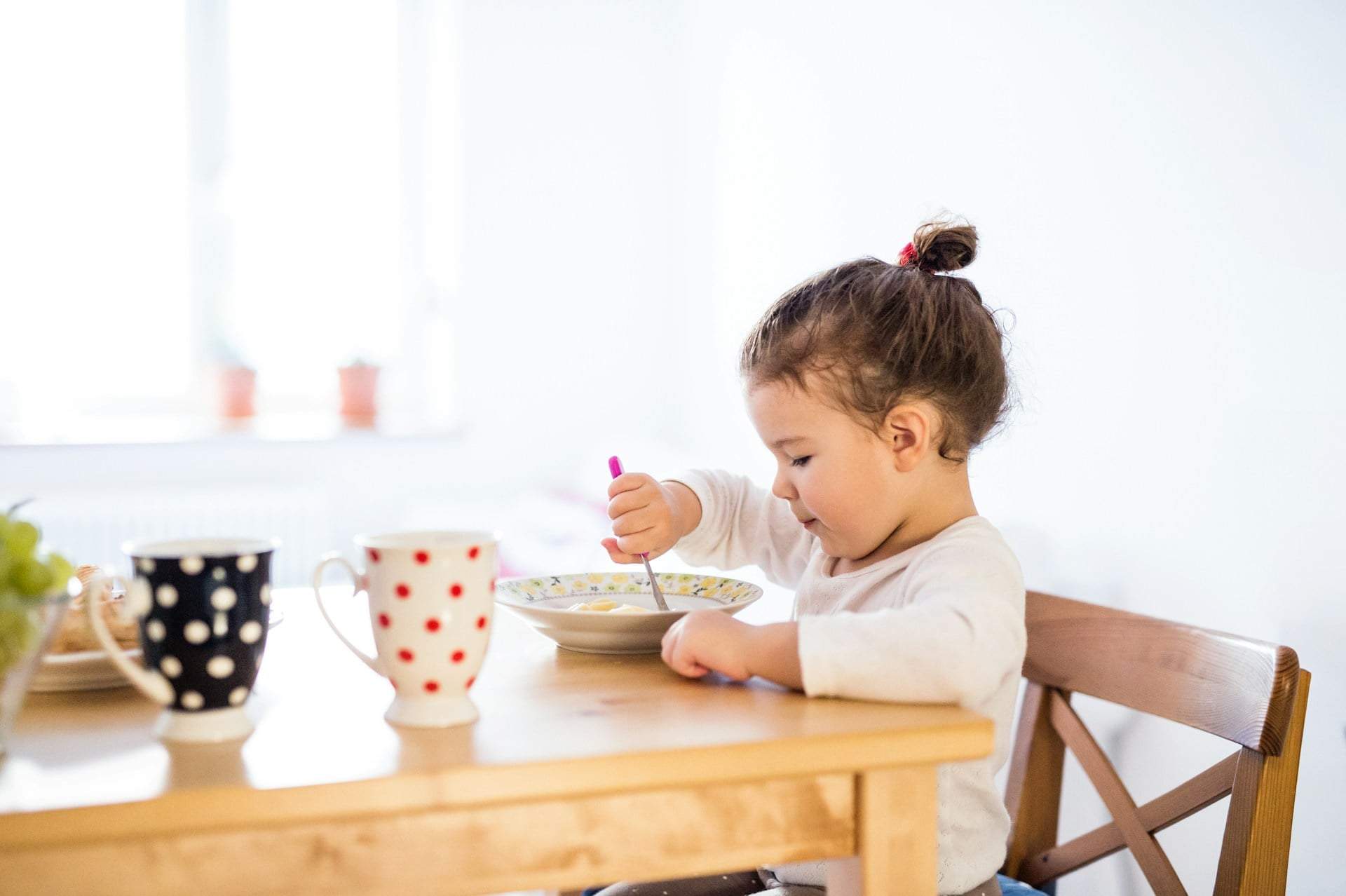
As parents, we all strive to give our kids the very best opportunities and conditions. But what if overprotecting them actually stifles the independence they’ll need as adults? Responsive parenting is popular for a reason—it centers on the child’s needs. Still, it’s key to set boundaries and sometimes let them spread their wings on their own.
The Benefits and Pitfalls of Responsive Parenting
Responsive parenting is based on the idea that the more sensitively and flexibly we respond to our children’s needs, the better their emotional world and social skills develop. This approach helps build trust, boosts their sense of security, and nurtures empathy.
Still, if we remove every obstacle and constantly guide their every step, we risk robbing them of the independence essential for thriving in life. When parental involvement crosses a certain line, it often confines children instead of giving them wings.
Supporting Independence: Striving for Less?
Parents often worry that if they don’t help enough, their kids might get lost in their challenges or face setbacks. Paradoxically, it’s actually solving problems on their own that builds their confidence and competence.
Allowing kids to make mistakes isn’t neglect—it’s a vote of confidence in their abilities. Small failures, experienced in a supportive environment, offer lifelong lessons that teach more than constant protection ever could.

How to Support Your Child’s Independence
Keep expectations realistic and match tasks to your child’s age and abilities. Make sure they have daily chances to make their own choices and learn from the outcomes.
Lead by example: show responsibility in everyday life, so your child learns to respect and value it. Encourage them to handle small tasks like tidying up or dressing themselves independently—this builds their decision-making skills.
Rethinking the Parental Role: Make Room for Growth
Overparenting, though instinctive for many, can hold back a child’s growth and development in the long run. One of the greatest gifts we can give is faith in their ability to face challenges and manage their own limits.
Sometimes stepping back and simply being present lets children define themselves, discover their strengths and weaknesses, and grow into confident young adults. Making independent choices and learning from mistakes turns into maturity and wisdom over time, with parents as understanding guides and quiet supporters.