You already know the feeling: it's Wednesday evening, you're tired, and the easiest option is ordering something you'll regret. Meal prep exists precisely to break that cycle. It's not about eating perfectly — it's about making the healthy choice the easy choice, every single day.
How to get started with meal prep
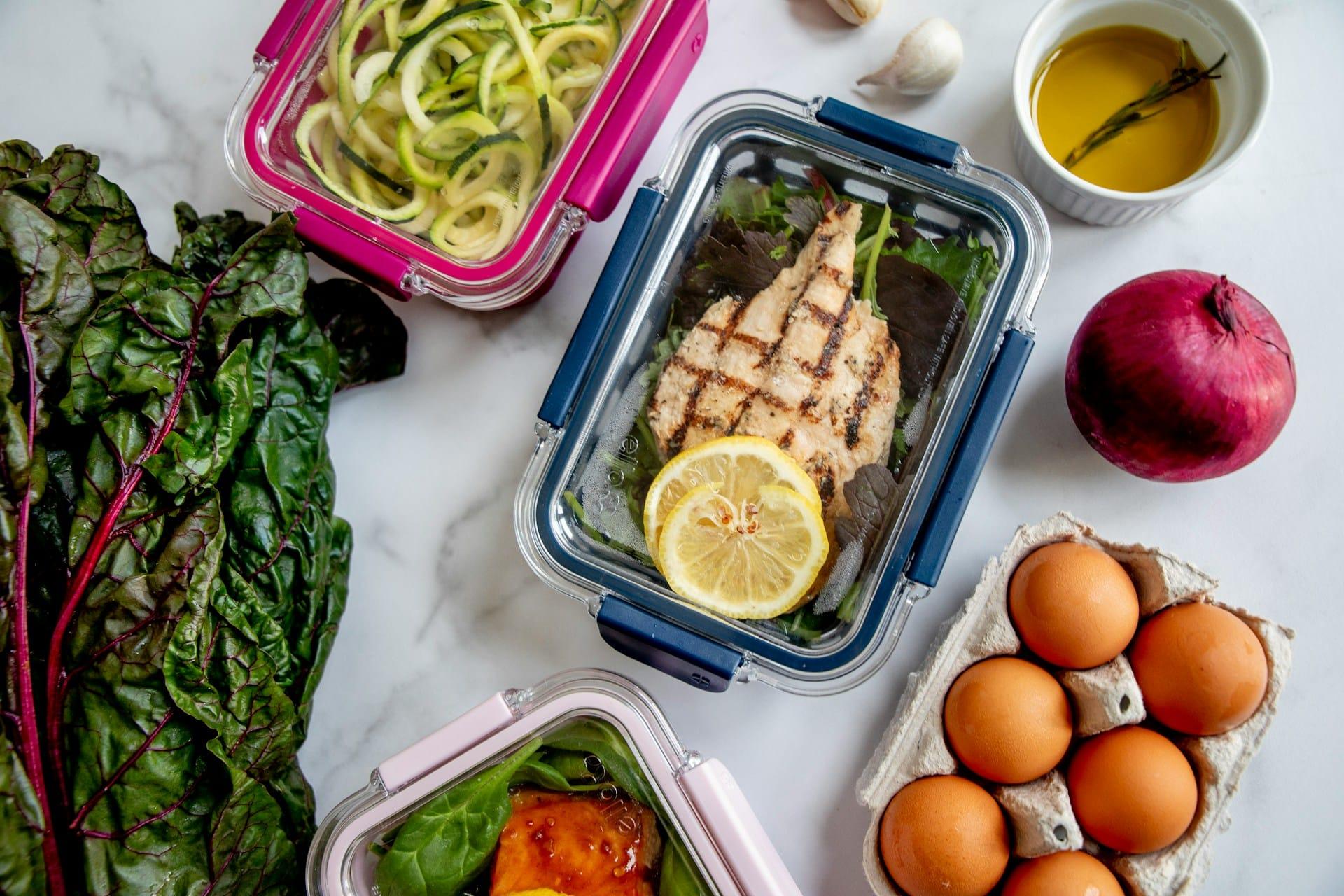
The first practical step is getting the right containers. You don't need a matching set from a fancy kitchen store — you need a few reliable, versatile pieces that are microwave-safe, airtight, durable, and easy to clean. Invest once, and they'll save you time for years.
The second step is planning. Whether you map out a full week or just the next few days, planning your meals in advance helps you eat more intentionally, avoid impulse decisions, and keep your nutrition balanced without overthinking it mid-week.
The benefits go way beyond saving time
Yes, meal prep saves time — but it also saves money. When you bring your own food, you sidestep those expensive last-minute lunches or takeaway dinners that add up faster than you'd expect.
When you know exactly what's in your food because you made it yourself, eating well stops feeling like a chore and starts feeling like a choice you're proud of.
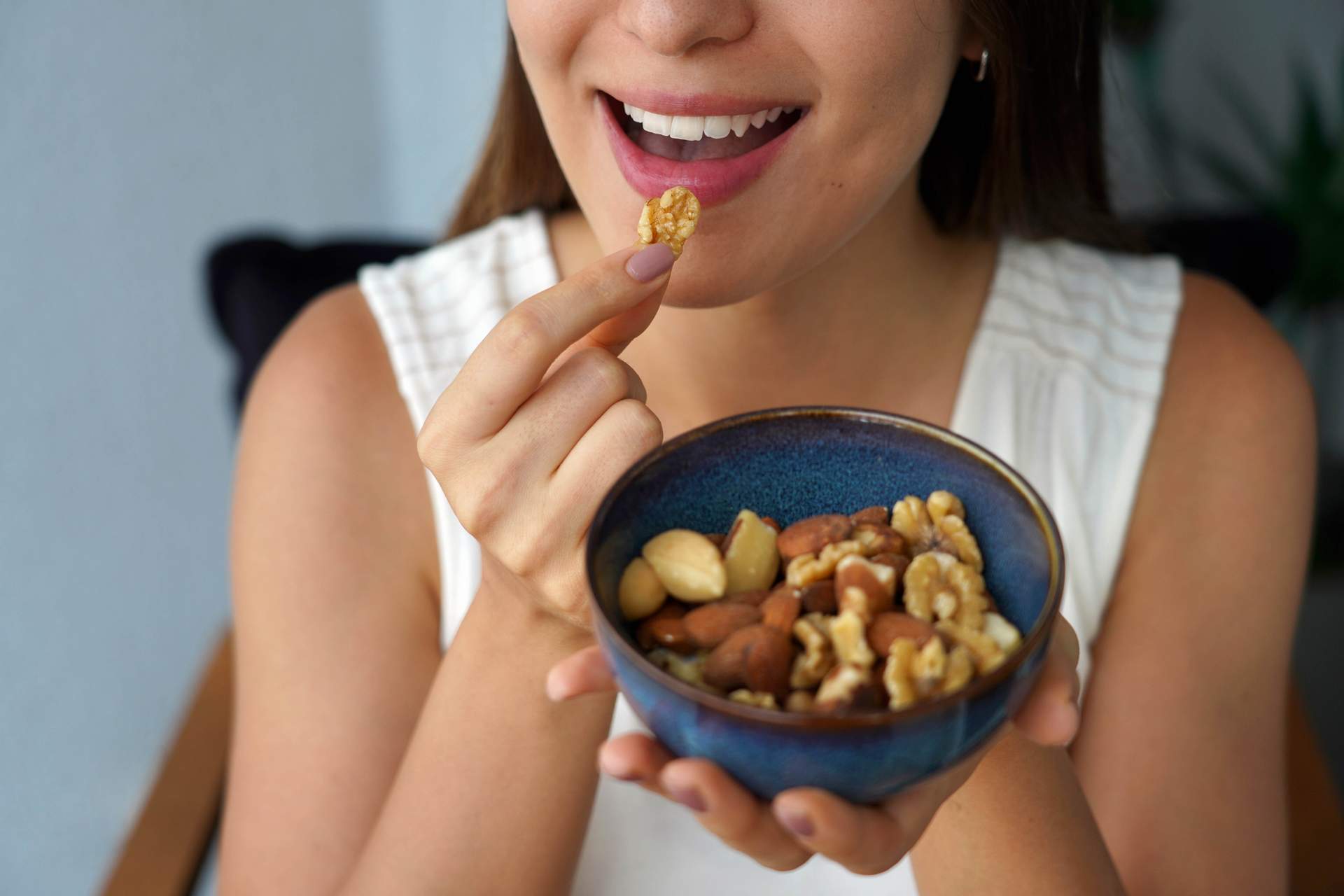
There's another underrated benefit: it dramatically cuts down on mindless snacking. When portioned, ready-to-eat meals are already waiting for you, you're far less likely to reach for something unhealthy out of convenience. Over time, this consistency can make a real difference in weight management and energy levels.
Keep it creative — meal prep doesn't have to be boring
One of the biggest myths about meal prep is that it means eating the same sad chicken-and-rice combo five days in a row. It doesn't have to be that way at all.
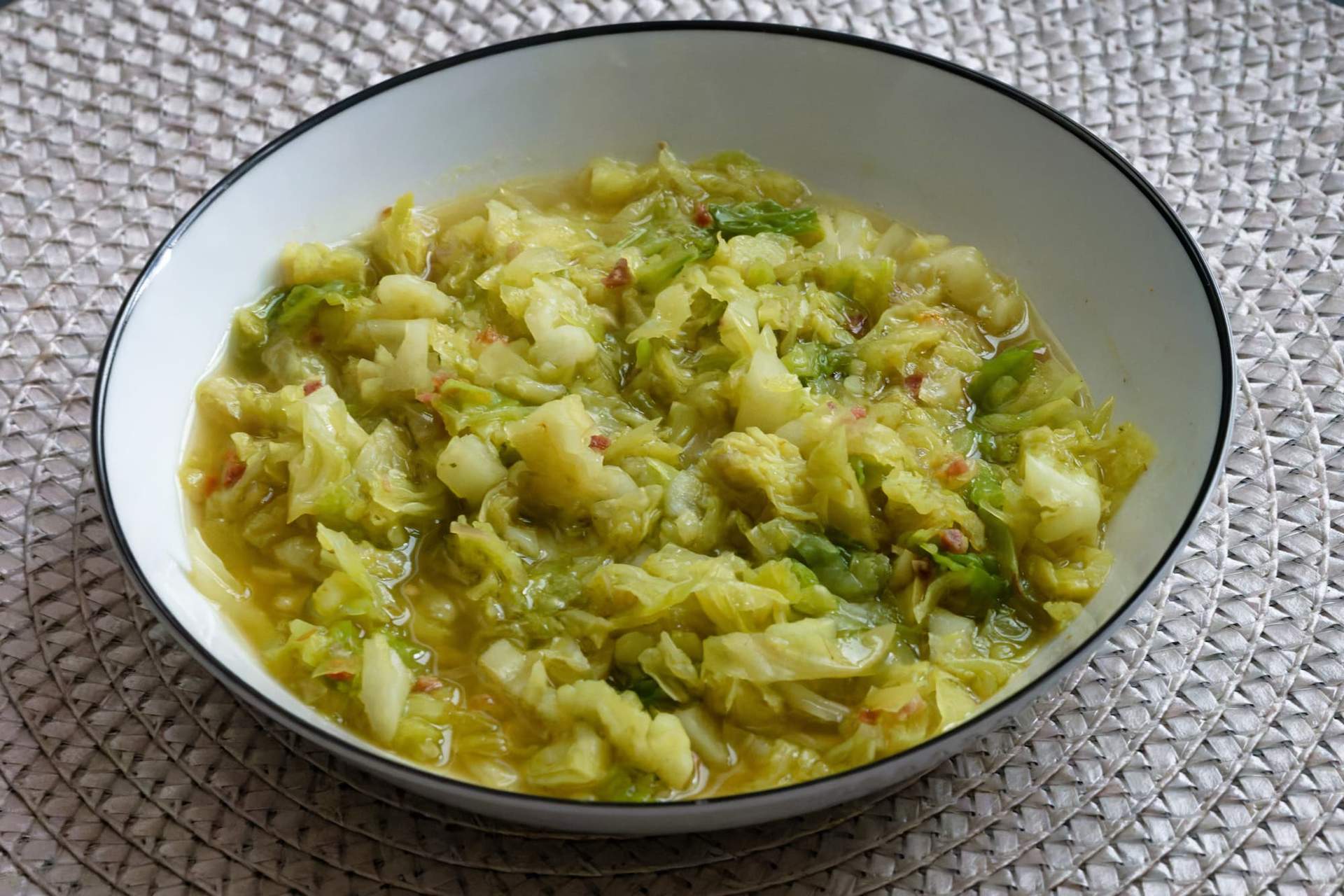
Think of your containers as a blank canvas. Mix cuisines, experiment with new recipes, pack your meals with colourful vegetables, grilled proteins, roasted veggies, fresh dips, and different grains. When every box feels like a little something to look forward to, staying on track becomes genuinely enjoyable rather than a test of willpower.
A little foresight goes a long way
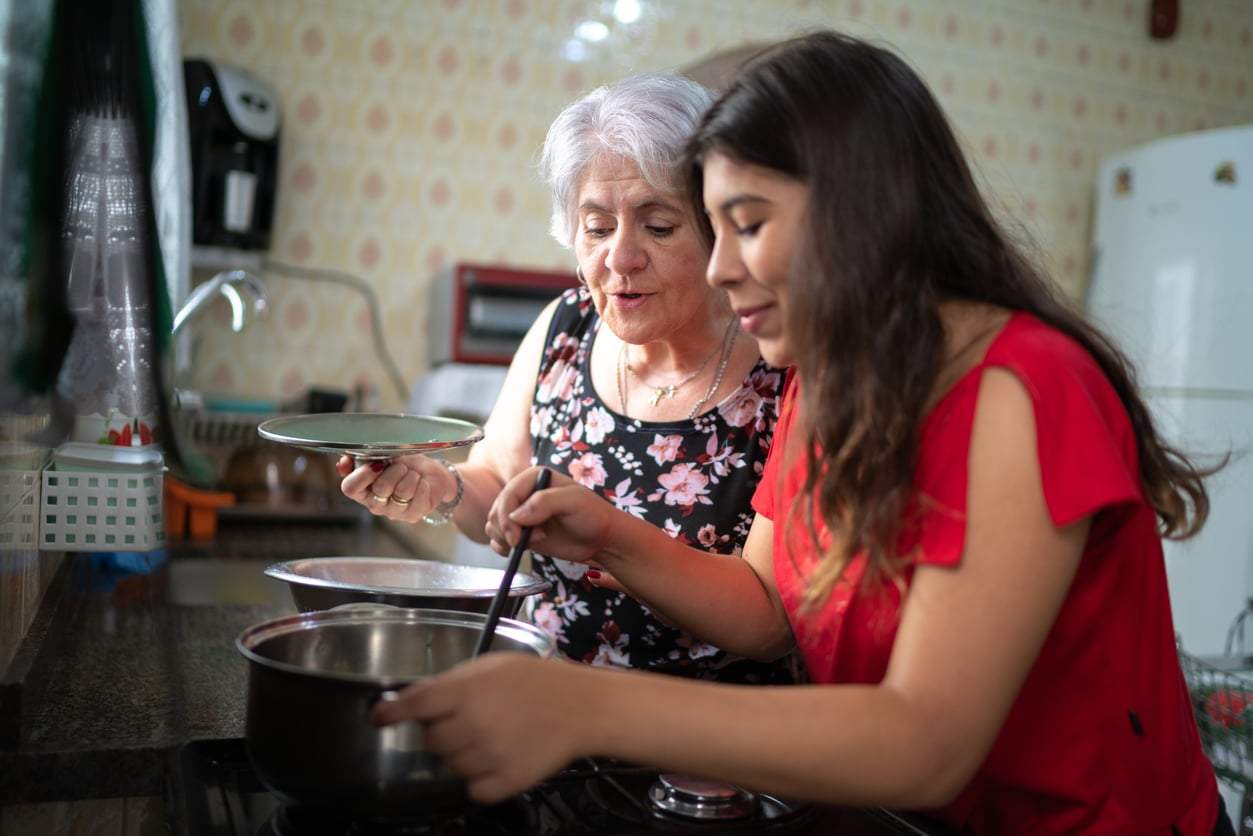
Set aside a couple of hours at the start of the week — a Sunday afternoon works well for most people. Cook in larger batches, divide everything into portions, and suddenly your entire week looks a lot calmer. No more stressing about what to eat at 1pm on a Tuesday.
While you're portioning things out, pay attention to balance. A good meal prep box isn't just filling — it's fuelling. Aim for a solid mix of protein, complex carbohydrates, and plenty of vegetables so each meal actually powers you through the day rather than just tiding you over.
Make it yours — prep the food you actually love
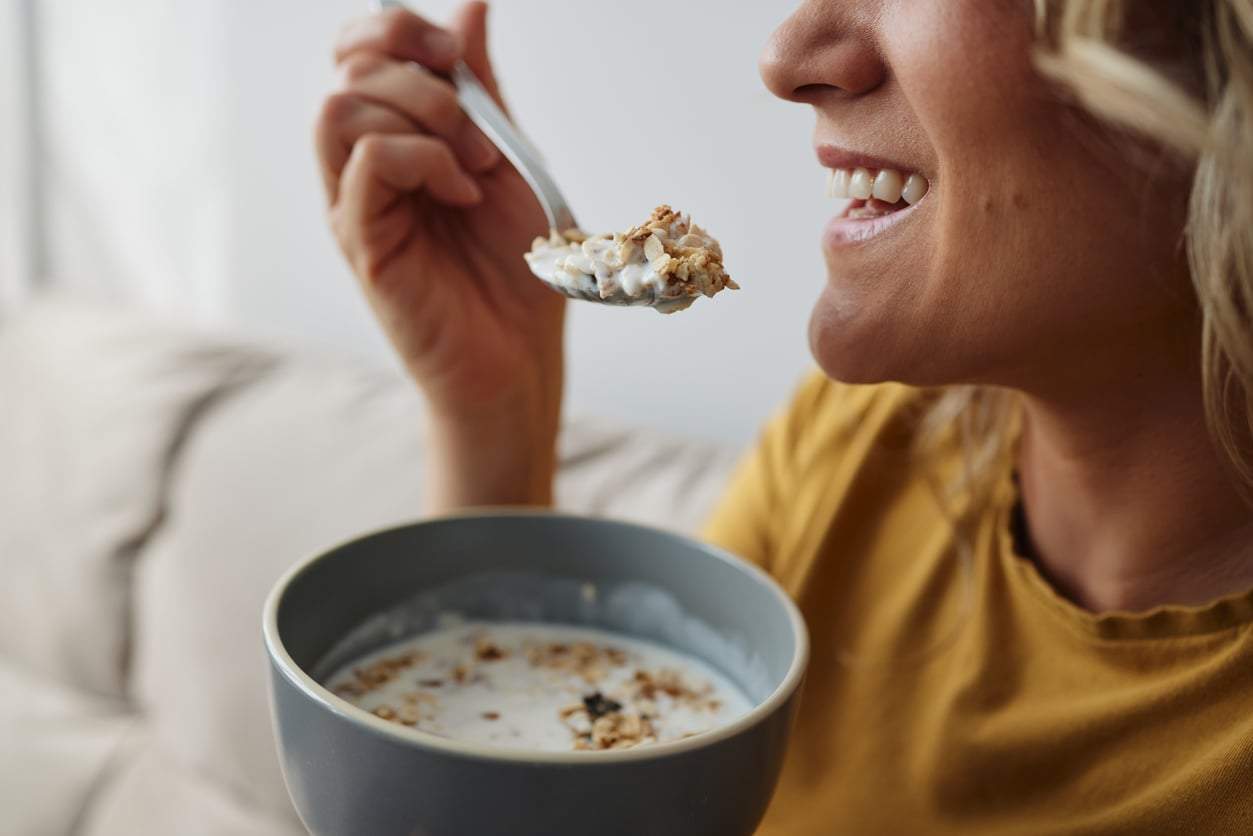
Healthy eating works best when it doesn't feel like a punishment. Love tropical fruits? Pack them with yoghurt and granola for a breakfast that feels indulgent but isn't. Prefer hearty, comforting food? Most classic dishes can be reimagined with better ingredients without losing any of the flavour that makes them satisfying.
Don't be afraid to experiment with flavour combinations and familiar recipes. The goal is to build a repertoire of meals you genuinely look forward to — ones that happen to also be good for you. That's when meal prep stops feeling like discipline and starts feeling like self-care.
Ultimately, meal prep is about more than food. It's a way of building structure into your day — making room for work, family, exercise, and rest without the daily friction of figuring out what to eat. And as a bonus, cooking in planned batches significantly reduces food waste, making it a win for your household budget and the planet alike.
It's a small habit with an outsized impact. Once it clicks, you'll wonder how you ever managed without it.