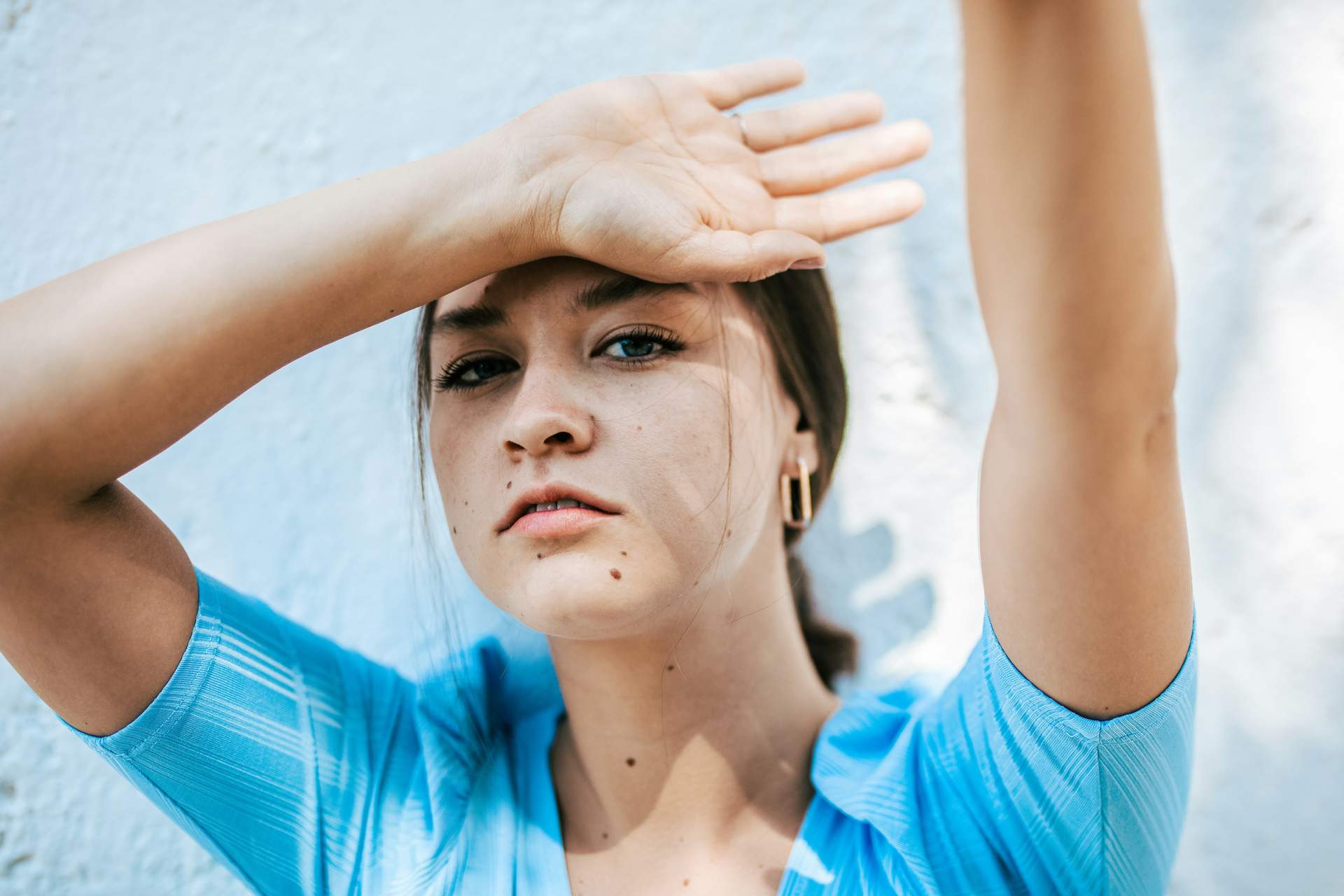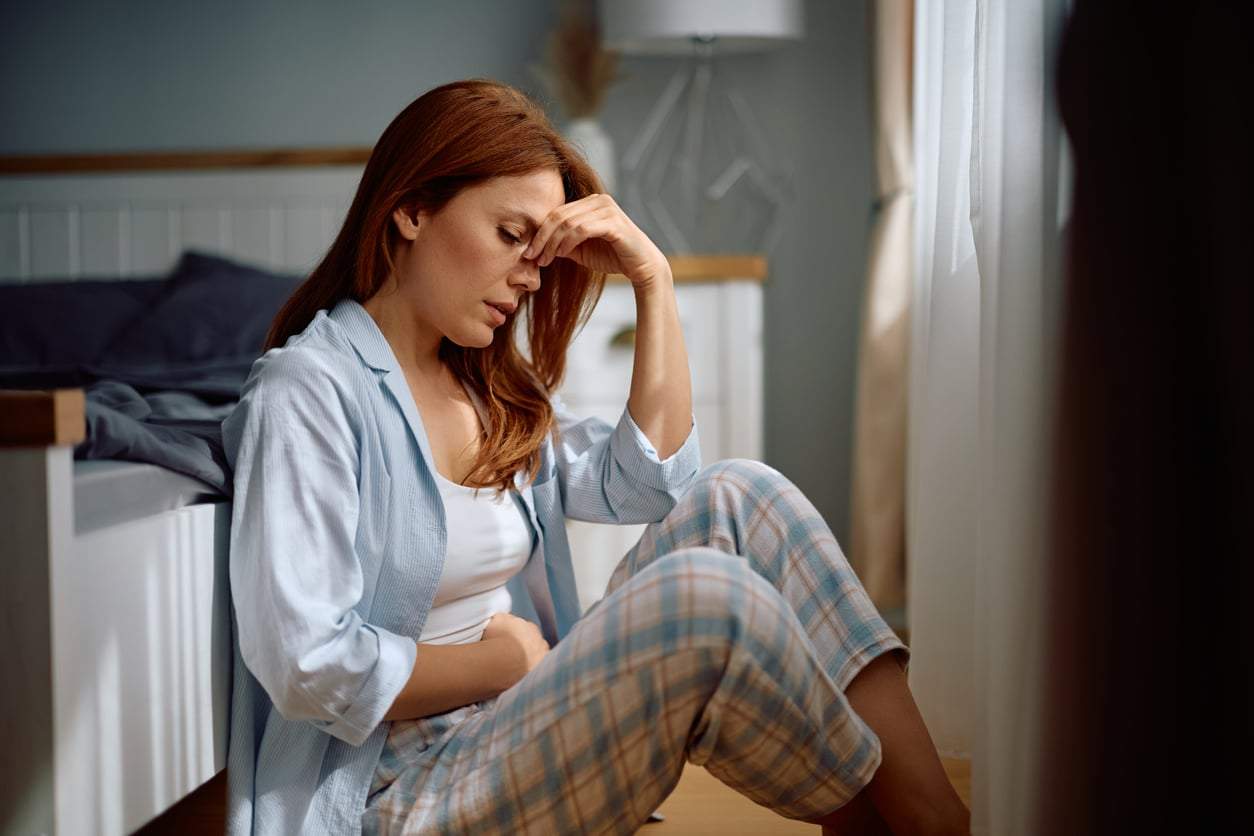
Menstruation, with all its physical and emotional ups and downs, can be challenging for many women. But instead of just getting through these days, you can see them as a chance to better understand your body and enjoy the benefits of exercise.
What Happens to Our Body During Menstruation?
During the menstrual cycle, the female body experiences various hormonal shifts. One key change is the rise in prostaglandin levels, which can cause uncomfortable symptoms like cramps and headaches.
Blood loss and hormonal changes together can lead to fatigue, mood swings, and even reduced performance.
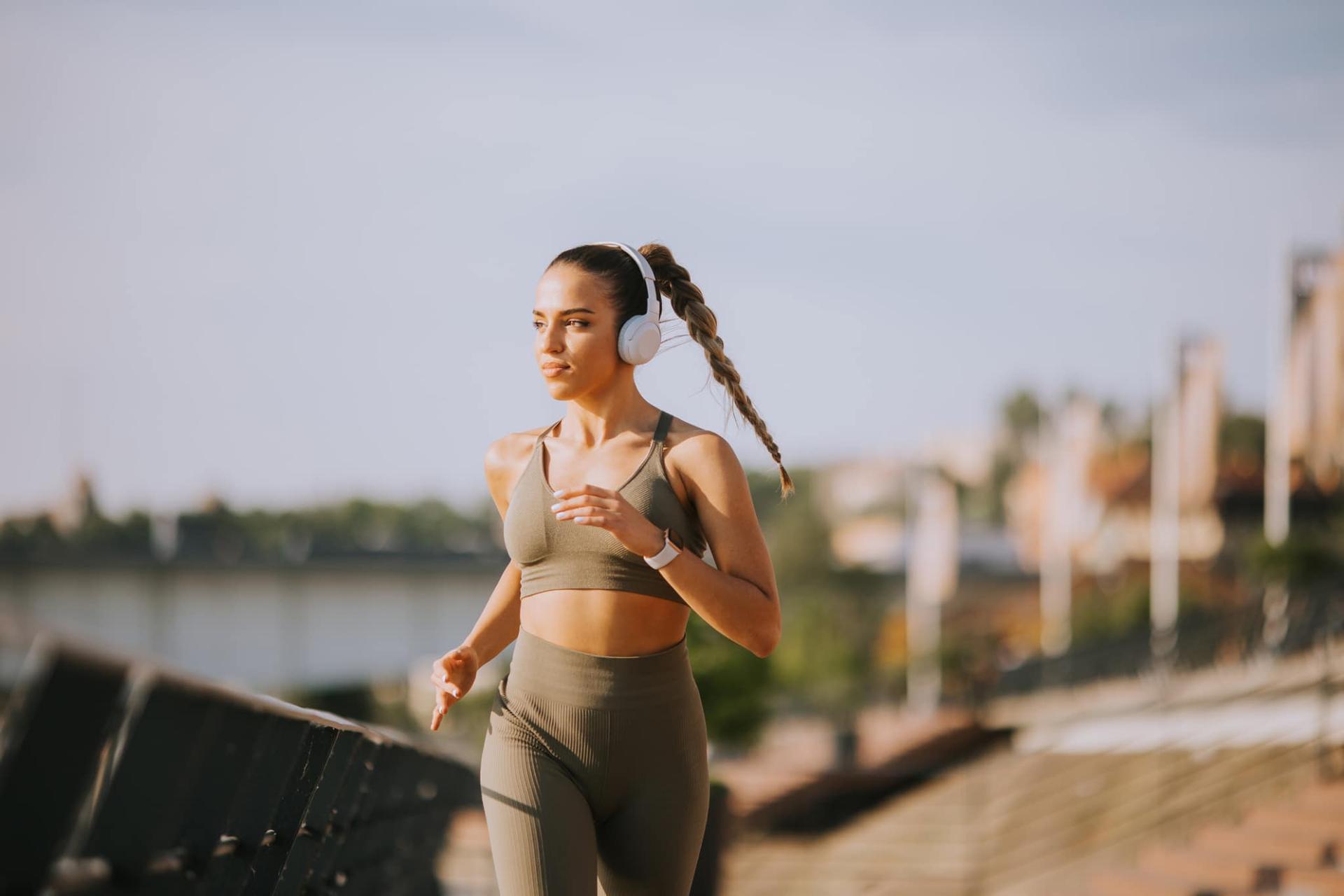
Surprisingly, movement plays a huge role in easing these symptoms. Exercise boosts circulation, lifts energy levels, reduces pain, and supports mental well-being.
How Can Exercise Help During Menstruation?
Though the first few days of your period often come with discomfort, gentle physical activity can be a powerful tool to ease symptoms. Light workouts like yoga, walking, or your favorite easy aerobic class can help reduce pain and boost your mood.
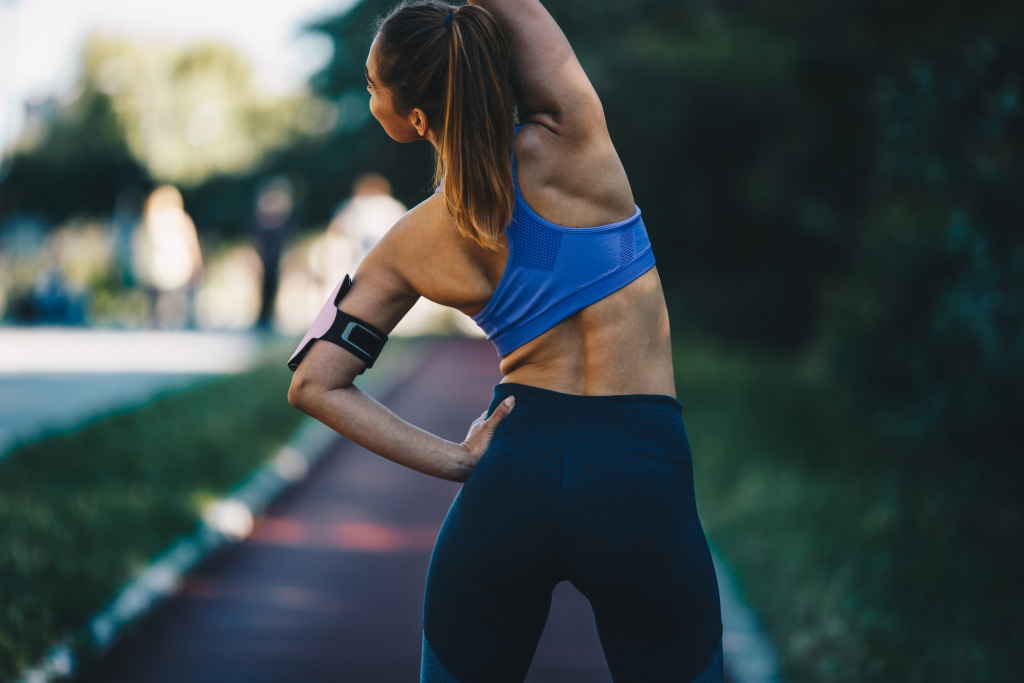
Endorphins released during exercise act as natural painkillers and mood enhancers. A walk in fresh air or a yoga session with stretches can relieve stress and menstrual cramps.
Which Types of Movement Should You Choose?
Not all workouts suit the menstrual phase equally. It’s best to avoid overly intense or exhausting sessions and focus on gentle, rhythmic activities. Listening to your body’s needs is key, no matter the environment.
1. Yoga: One of the best ways to stay active during your period, yoga combines stretching and relaxation to ease cramps. When paired with meditation, it helps reduce stress and promotes inner balance.
2. Pilates: Pilates strengthens muscles without overexertion, making it a great choice to combat fatigue during menstruation.
3. Walking: Simple yet powerful, walking helps restore physical and mental balance. Fresh air supports relaxation and eases mental stress.
Listen to Your Body’s Signals!
The most important thing is to tune into your body during menstruation. No two cycles are the same, and what feels right one month might be too much the next. Finding your inner balance and adapting to your current state can make these days smoother.
If your body needs rest, don’t push yourself. But if you feel that movement can lift your mood and improve how you feel, go ahead and start a gentle workout.
Over time, regular exercise helps build positive habits that ease menstrual discomfort in the long run.
Lifestyle Shift: The Role of Nutrition
Just like in daily life, your diet during menstruation affects how you feel. A balanced diet rich in iron, magnesium, and omega-3 fatty acids can help reduce symptoms.
Foods like leafy greens, nuts, and fish help lower inflammation and boost overall energy. Healthy eating supports hormonal balance and helps prevent bloating caused by water retention.