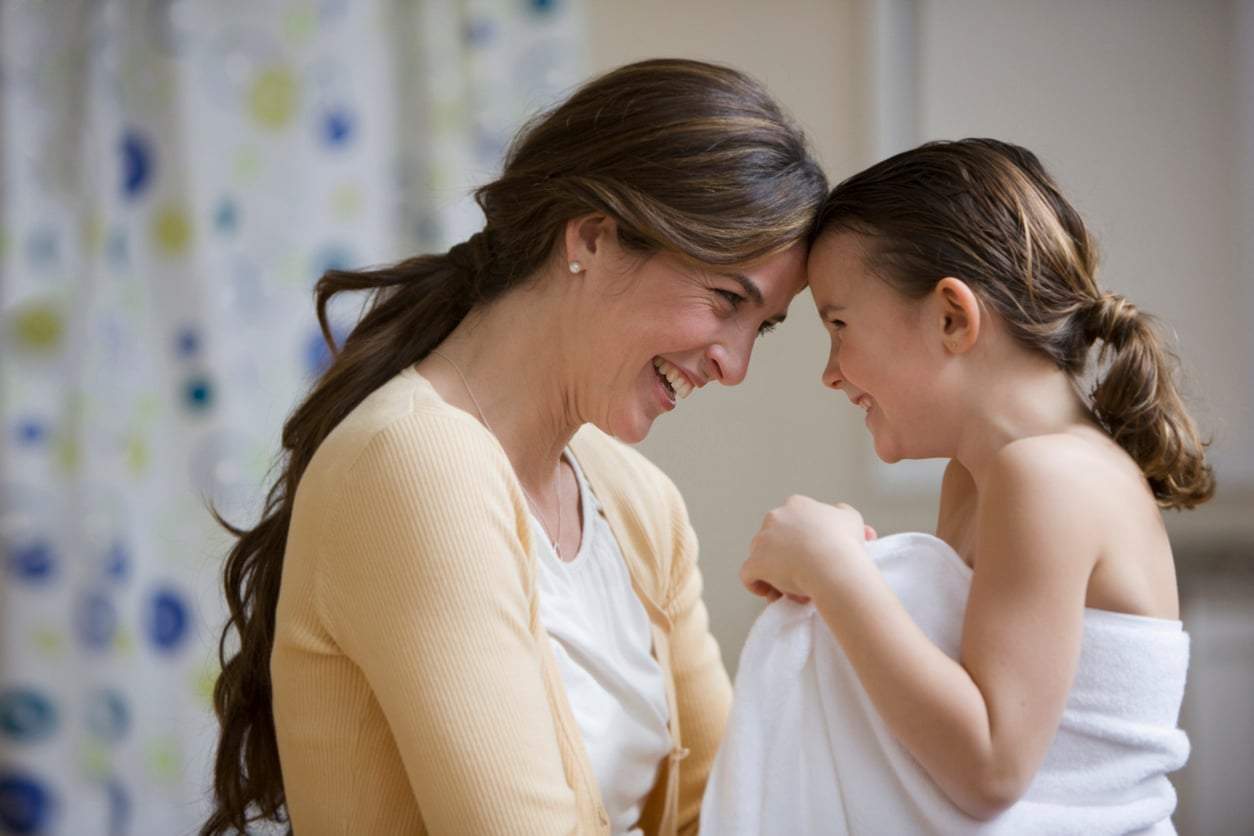
My daughter always seemed mature for her age—at least, that’s how it felt until now. She was rational, curious, open, and we had such deep conversations that I often forgot how old she really was. We practically skipped the defiant toddler phase: no major fights or tantrums, we always managed to talk things through.
Of course, I was a bit proud of her—and myself. I felt like we were doing this whole "parenting thing" pretty well together. Then suddenly, someone flipped on a light I didn’t even know existed.
Something has started that can’t be undone
Here we are. She’s a tween now, and I often feel like a tourist in a foreign city—without a map or language skills. Sometimes I don’t even know how to start a conversation or what to expect in response: a shrug? A grimace? A half-sentence loaded with impatience, irony, or the message that she’s now the one setting the boundaries?
I often ask myself: what did I miss? Where did I fall behind? Why don’t I know how to reach her now, when she might need me the most? I’m not dramatizing—I’m just trying to keep up. Because deep down, I know this time isn’t about me, it’s about her. It’s about her changes, her hormones, her search for identity, and the fact that right now, her job is to pull away from me.
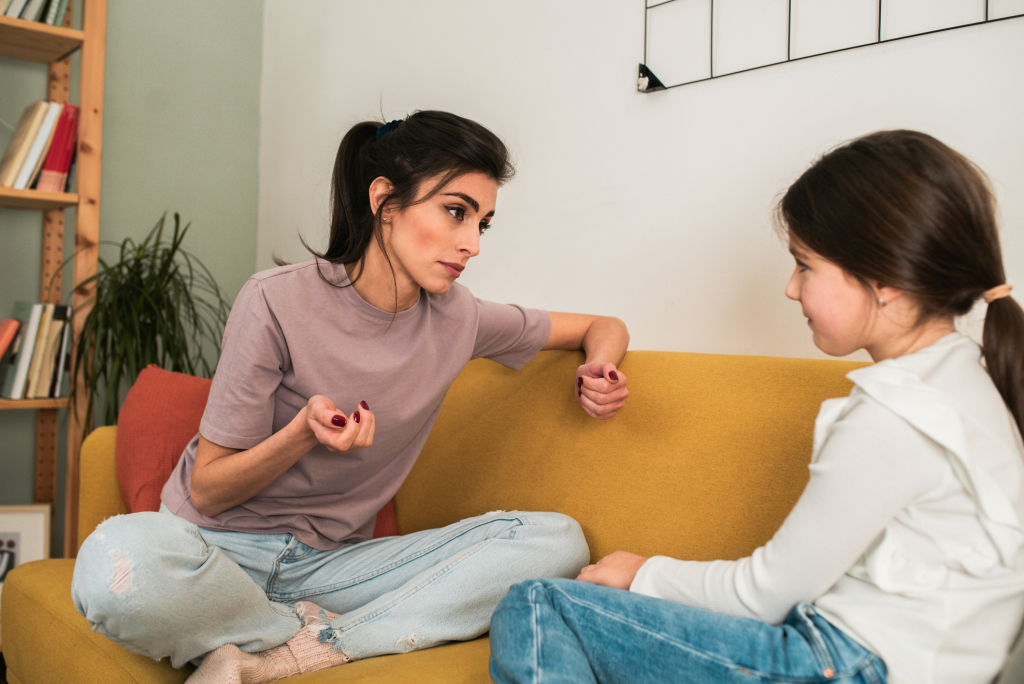
It was a blessing to work on myself
Luckily, I’ve spent the past few years focusing on myself. I’ve paid attention, read, attended group therapy and family constellation sessions. As painful as some realizations were, I’m grateful I took the plunge. Without that, I might not be handling this situation nearly as well now.
Still, there are moments when I freeze completely. When I just stand there, and the usual phrases don’t come to mind. When humor doesn’t ease the tension, and my consistency bounces off her like it never worked. I thought having these “parenting basics” would protect me from surprises. Well, I was wrong.
We have to mourn our old relationship
The hardest part isn’t the backtalk. It’s not even how quickly she can go from angry to indifferent without reason. The hardest part is that I can’t connect with her the way I used to, and I have to get used to that. I don’t want to pull her back—I actually love seeing her enjoy her independence, even if it scares me. I just haven’t learned how to let go while still being there when she needs me.
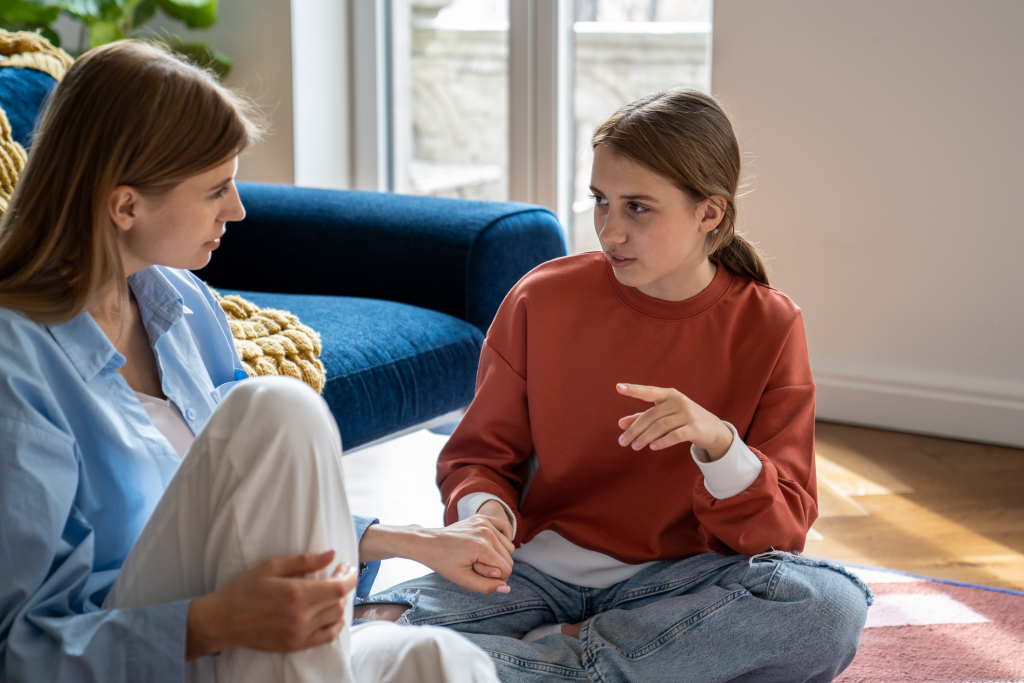
Tween years are new territory not just for kids, but for us too
I used to think the teenage years were far off and maybe not so rough—after all, everyone warned me about the toddler tantrums, and nothing happened then. But the tween years slammed the door so hard the whole house shook.
I talk with other moms, read, dive into studies—and it’s comforting to know I’m not alone in feeling this way. Proud and confused at the same time, wanting to stay close while knowing and accepting she needs space now.
It’s clear to me this is all natural. Hormones, personality shaping, boundary testing—all part of her growth. The goal of adolescence is for the child to separate from the parent and start their own path. To question, rebel, explore different routes. And eventually, to find their way back to me—not as a little kid, but as a young adult.
This phase isn’t against me—it’s for her
Psychologists and evolutionary theories agree: adolescence—even at the tween level—is full of challenging behaviors that actually serve important purposes. Withdrawal, selfishness, impulsiveness, and the desire for independence aren’t flaws—they’re necessary steps toward becoming a self-sufficient adult.
Nature designed it so staying connected forever wouldn’t be easy. Kids have an inner drive to step out of the safety we parents provide. It hurts everyone, but it also gives meaning to what we’re going through and helps us see things in a new light.
My own insecurities still creep in, especially in unexpected moments when I can’t just brush it off by saying, “But she’s still so little.”
I suspect the coming years won’t be much easier. But I know my job isn’t to fix everything or respond to every challenge—it’s to be present. To watch, wait, and trust my instincts. To keep reaching out, even when she pulls away.
Maybe one day we’ll laugh together about how stormy this phase was. Maybe she’ll tell her own child what it was like to be a tween—and what it was like when her mom tried to understand what she was going through.
Until then, my job is to stay patient and not fear knowing less about her right now. Because she doesn’t fully know who she is either. But if I do this right, we’ll rediscover each other—maybe not exactly as before, but in a deeper, more grown-up way.