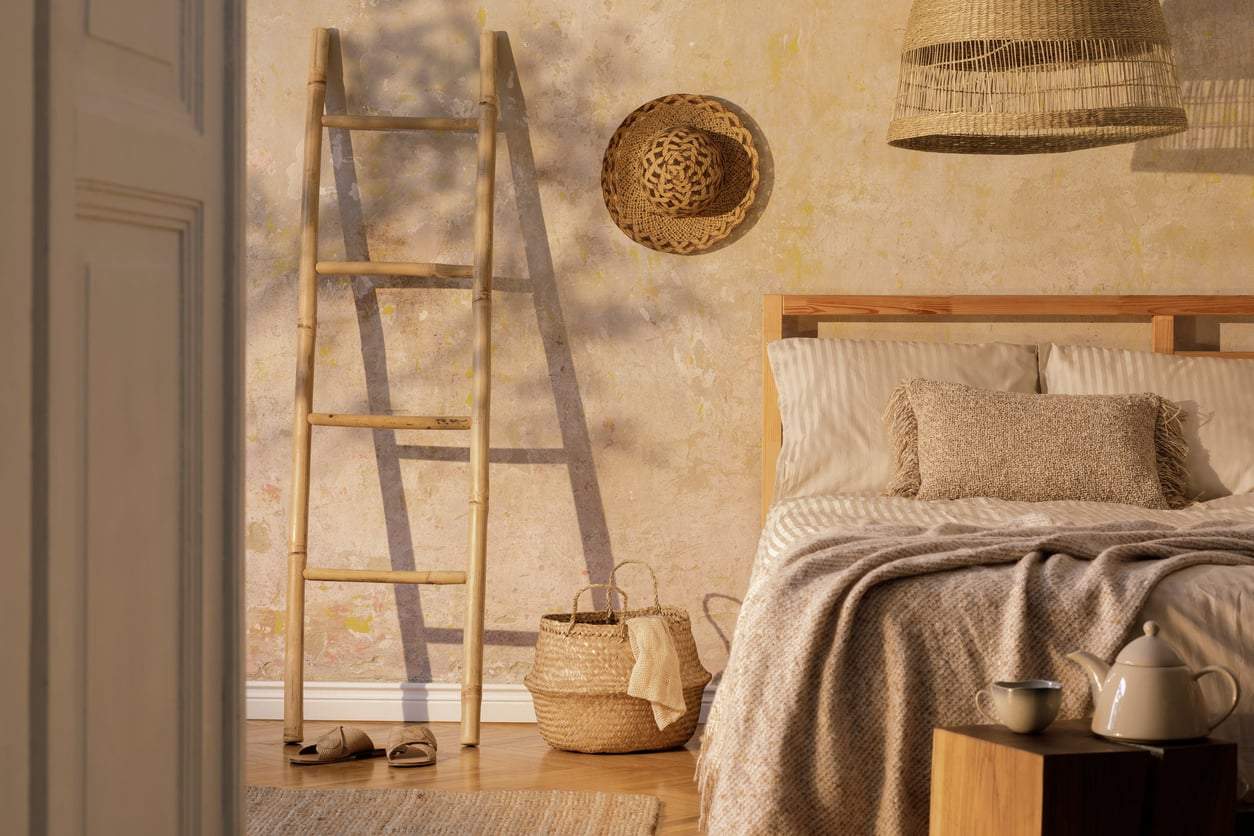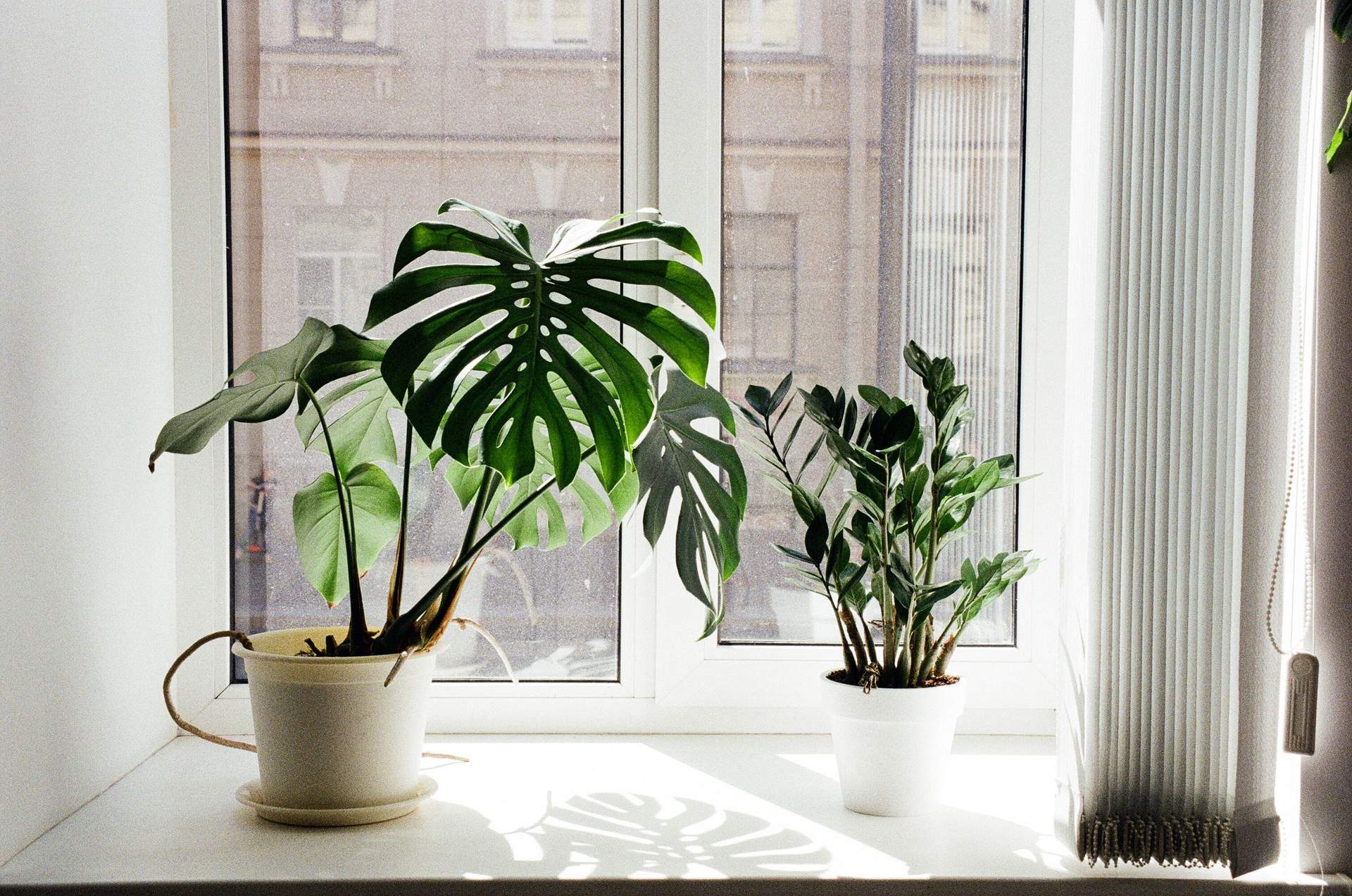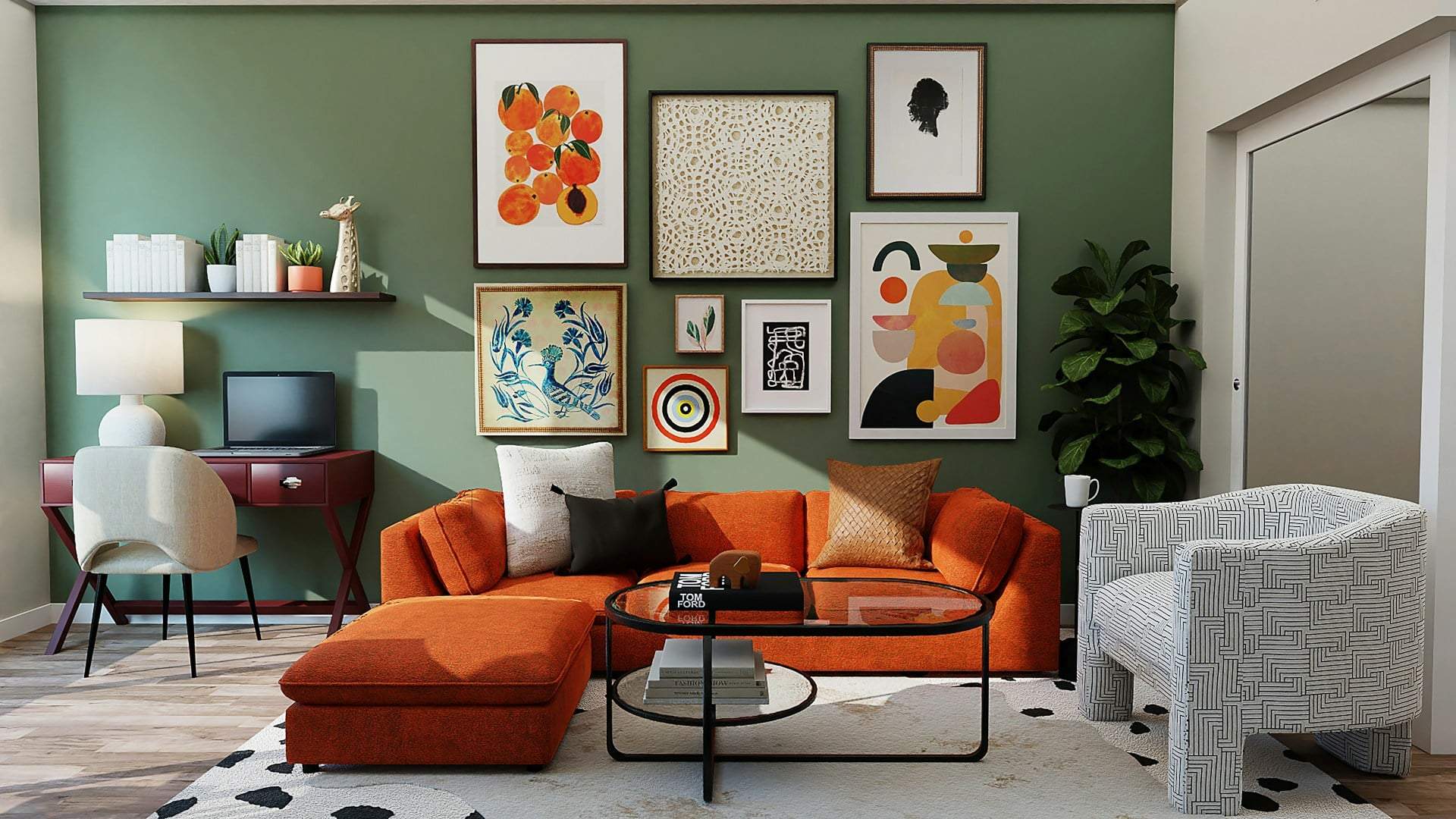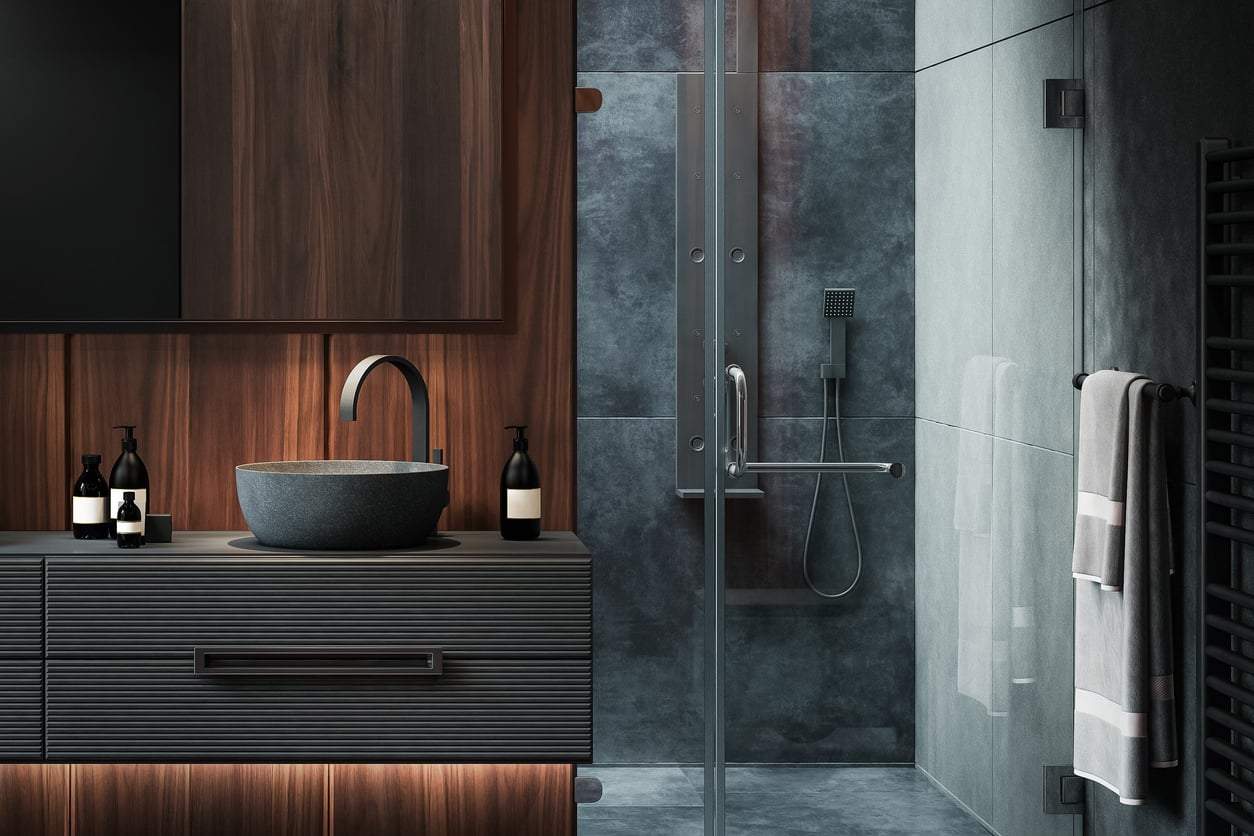
There’s a beautiful idea in Japanese spatial design: what you see every day influences your mood, your rhythm, and even how at home you feel in your own life. Yoko Kloeden Design calls this approach Nagame — the “art of looking”: spaces crafted with intention to bring quiet and peace.
Space doesn’t just exist around us — it gently, almost imperceptibly, affects us. A lovely view of a tree’s leaves, the sky, or a harmoniously arranged corner feels like building rest stops for your soul.
The Heart of Perspective Is Intention
Good framing isn’t about adding more windows or showing everything at once. It’s about what you leave out, what you hide, and what you gently bring into focus. Often, a single carefully composed perspective offers more than a wide but cluttered panorama.
It’s a bit like taking a photo: the frame matters as much as the subject. If the surrounding surfaces are slightly darker, textured, or deeper, the outdoor light and natural beauty pop even more.
Create Perspectives Where Life Truly Happens
The best viewpoints aren’t made for catalogs but for everyday life:
- from the kitchen table,
- from the couch,
- from the hallway you walk through ten times a day.
When these everyday moments meet a soothing view, the whole home atmosphere becomes more relaxing and gentle.
Think in Layers to Make Your Space Feel Deeper and Roomier
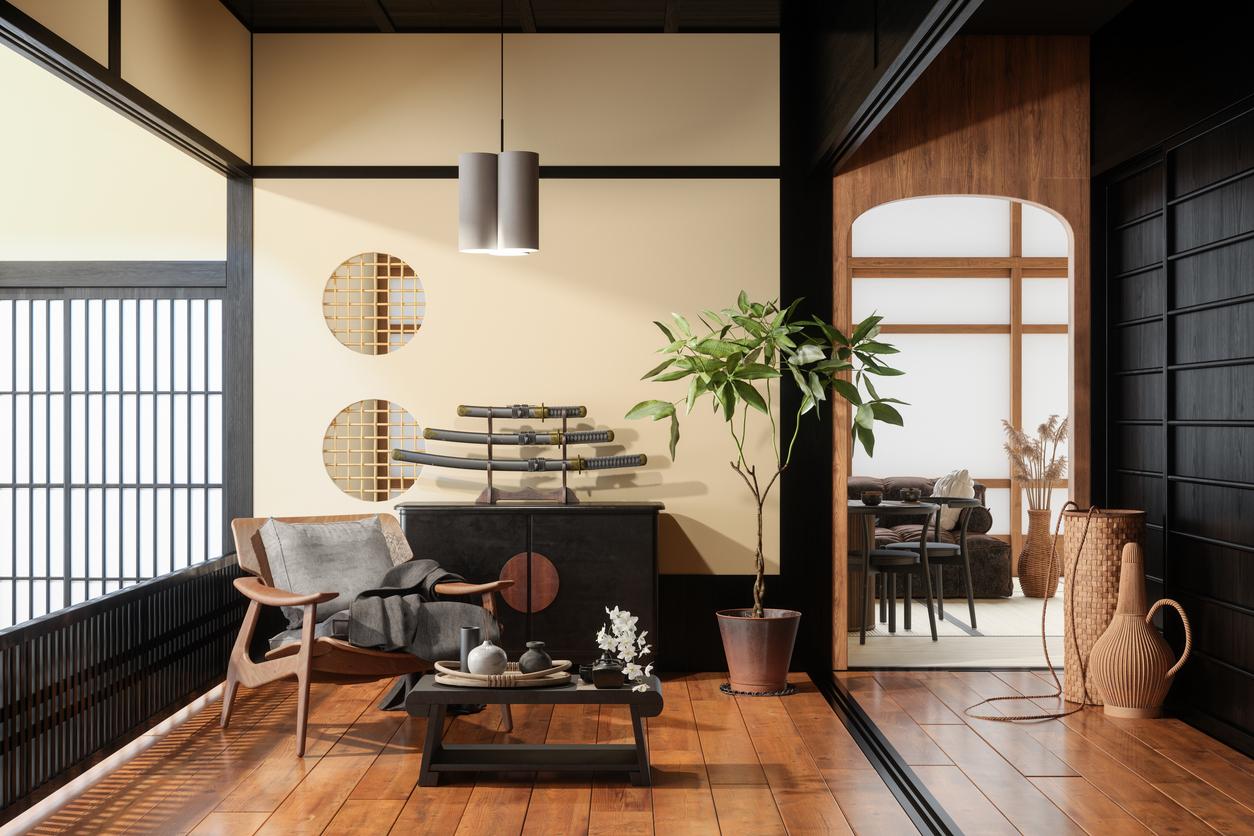
A great view has three levels: foreground, middle ground, and background. A small branch outside the window, a curved doorway further in, and the distant garden wall add depth that makes your home feel bigger — even if it’s not physically larger.
A well-framed view lives and breathes. It looks different in the morning than in the afternoon, and in winter, the bare branches create a fresh mood. When windows work with changing light, a quiet drama fills the house — just the kind that makes home feel welcoming.
How Can You Bring This to Life?
Design always starts with one question: What do you want to see from this spot? Everything else grows from that answer: window size and placement, material tones, how spaces connect. Sight lines are the house’s hidden backbone.
Less Openings, More Calm
Fewer visual distractions mean more peace, so you don’t always need huge windows.
Contrast Highlights Nature
Don’t hesitate to use dark wood and materials to make the green shades of your garden plants stand out.
The Perfect Spot Beneath a Single Window
A reading nook by the window is a perfect example of Nagame, where the window itself frames nature.
Small Changes, Big Impact
A small adjustment, a subtle color shift, or removing a distracting object can completely change the focus.
And when what you see changes, the whole home’s vibe shifts with it — that’s the essence of Nagame: consciously designed views help our souls find calm.