High Cholesterol Affects Many
Did you know that high cholesterol often shows no symptoms? Many live with it unaware—until a routine checkup or a concerning symptom brings it to light.
It’s a serious issue here too: according to Hungary’s Central Statistical Office and local health organizations, nearly half of Hungarian adults have some level of unhealthy cholesterol. Levels above 240 mg/dl clearly fall into the high cholesterol category—and with that comes an increased risk of heart and vascular diseases.
Heart-Friendly Nutrition Is Pure Gold
High cholesterol can seriously contribute to clogged arteries. The good news? Your diet can be one of your strongest allies in reversing this process. “What we eat affects how stiff or flexible our arteries are,” says Michelle Routhenstein, a cardiology dietitian and certified diabetes educator.
She adds, “When arteries stiffen, the heart works harder to pump blood through the body, raising the risk of high blood pressure, heart failure, and other complications over time.”
While factors like genetics and age are out of our control, what we put in our shopping cart isn’t—and choosing wisely can truly reward your arteries.

Arteries Play a Crucial Role
“When we talk about heart health, our arteries deserve the spotlight,” says dietitian Andrea Soares. “They’re like highways carrying oxygen-rich blood.”
But these “highways” can get clogged—by plaques made of cholesterol and other fatty deposits. The good news? Your diet is key to keeping these blockages at bay.
“Some foods and nutrients promote artery blockages—while others boost artery health”
Fiber-rich foods can lower cholesterol, but too many refined carbs and sugars with little fiber can cause inflammation and deposits in your artery walls.
These Foods Are Always Worth Keeping at Home
“Instead of focusing on what we can’t eat, let’s flip the script: what can support our heart health?” suggests Routhenstein. She also points out that nutrient deficiencies can weaken heart function. Filling those gaps actively strengthens your cardiovascular system. Here are some especially great picks!
Beans
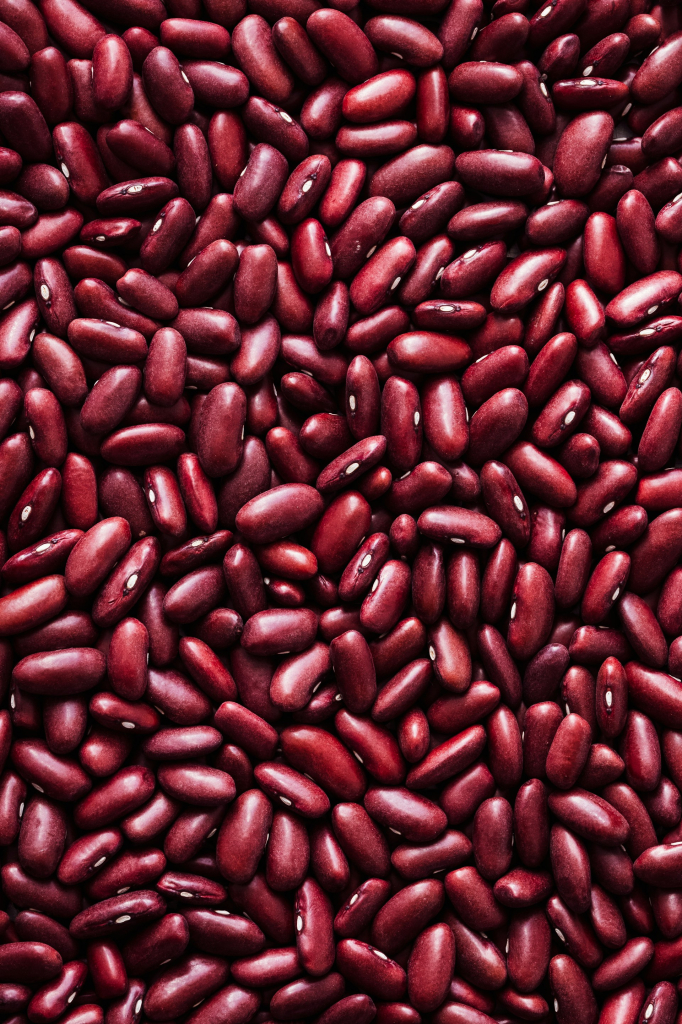
“This is one of my favorite pantry staples—not just for heart health, but for digestion too,” Sauceda enthuses.
“Beans are simple, affordable, and versatile. Research shows they improve heart health markers like total cholesterol and LDL (‘bad’) cholesterol.”
Tip: Soares loves adding them to soups, tacos, or grain bowls. Sauceda even highlights that you can bake brownies with them!
Olive Oil
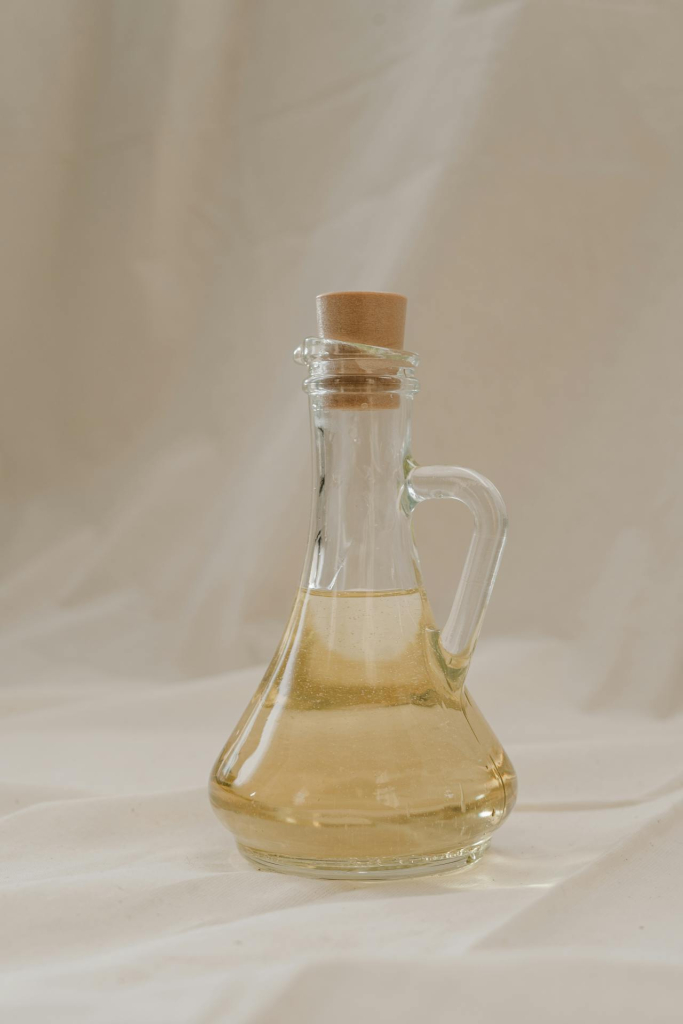
“If you want to prevent or reverse artery clogging, swap coconut oil for extra virgin olive oil,” advises Routhenstein.
“This oil, rich in unsaturated fats, can lower LDL cholesterol while raising HDL (‘good’) cholesterol. It also contains anti-inflammatory polyphenols that support artery health.”
Tip: Use it as a salad dressing or drizzle over roasted dishes.
Chia Seeds
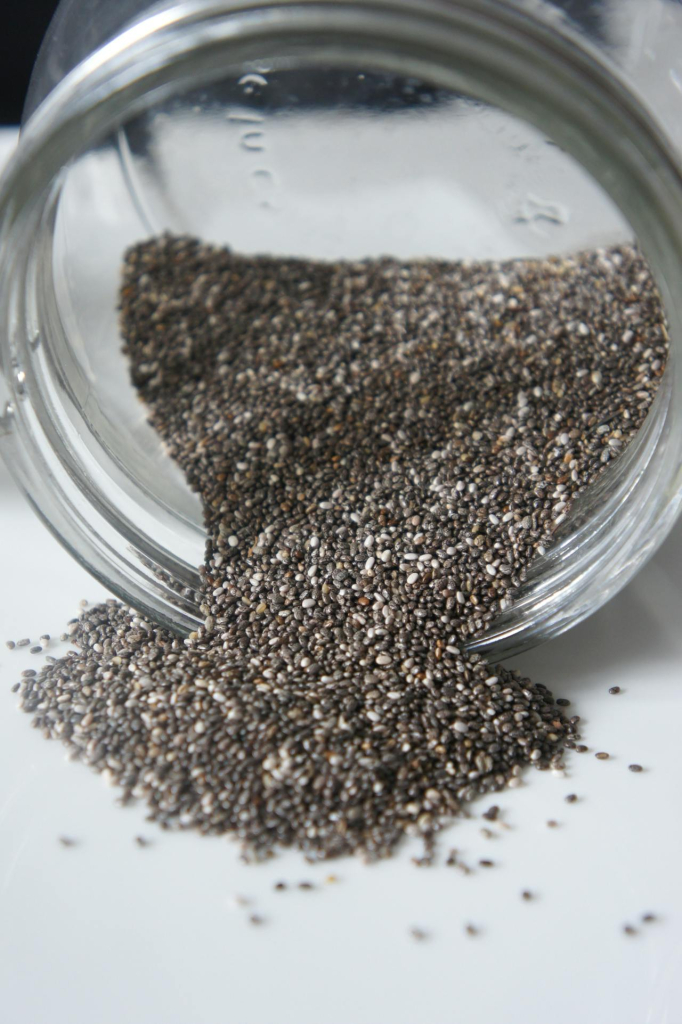
“Chia seeds are tiny but mighty, packed with fiber and omega-3 fatty acids,” Sauceda highlights. “About 28 grams of chia seeds provide 10 grams of fiber and 5 grams of omega-3s—heart-healthy fats many people don’t get enough of.”
Tip: Add them to jam, oatmeal, smoothies, or use as an egg substitute in baking.
Canned Salmon
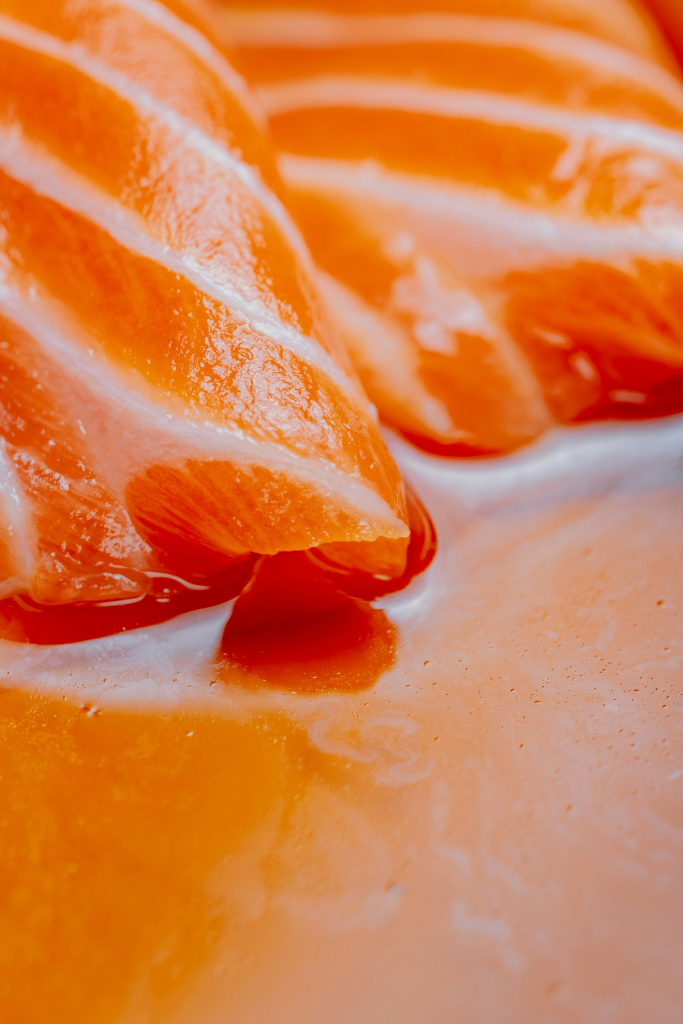
“Canned salmon is a convenient source of omega-3s, which lower blood triglycerides and inflammation,” says Soares. Routhenstein agrees, recommending fatty fish like salmon, mackerel, or sardines 2-3 times a week for heart health.
Tip: Toss it into salads, pasta, or make salmon patties!
Chicken or Vegetable Broth
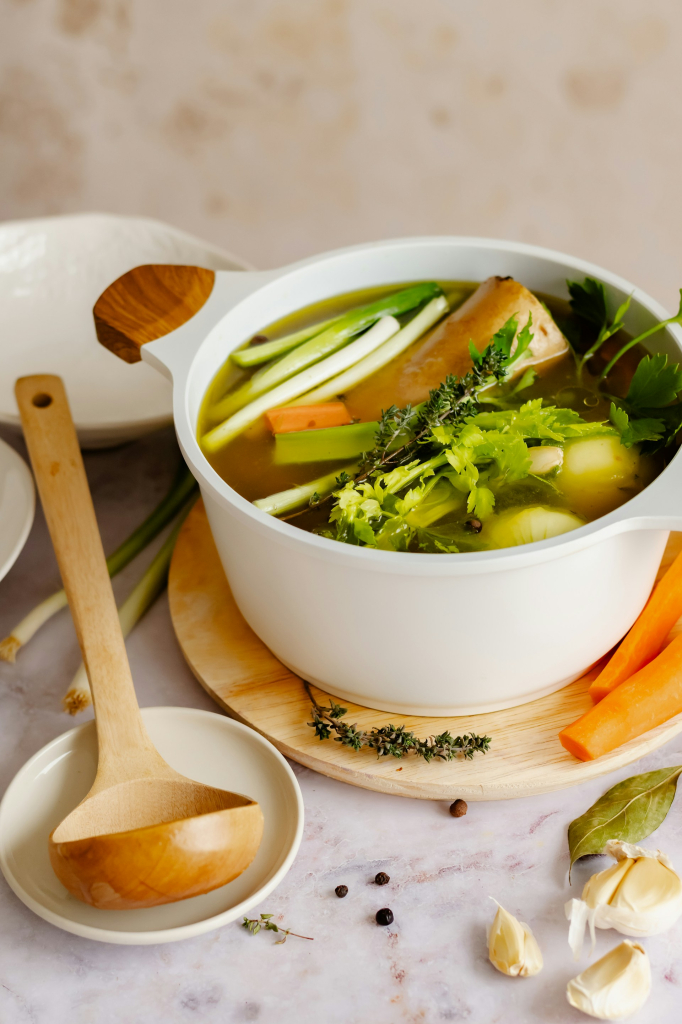
Surprising, right? “It might seem odd at first, but don’t underestimate the power of broth,” says Sauceda. “It’s one of the easiest ways to make a fiber-rich, veggie-packed, protein-filled soup—family-friendly, quick, and heart-healthy.”
As the foods mentioned show, a heart-friendly diet isn’t about giving up—it’s about smart choices, a well-stocked pantry, and a dash of creativity to whip up tasty, nourishing, and colorful meals every day. Dishes that quietly protect your arteries’ health too.