
The European Parliament could approve as early as March a regulation that would essentially eliminate official control and traceability of genetically modified products created with new gene technologies (new GMOs). Anyone who disagrees – whether an organization or an individual – still has the chance to voice their concerns to Hungarian MEPs, who can only effectively oppose the current draft if they have strong public support.
Control Over GMOs Would Disappear
“Gene technology is a tool that can be used responsibly or irresponsibly, accepted or rejected – it’s a matter of choice. As an organization certifying organic farmers, we fully reject the use of genetic modification in food and agriculture because we don’t see it as the solution, but we respect that others may have different views,” explained Dr. Péter Roszík, Associate Professor and head of Biokontroll Hungária Nonprofit Ltd.
However, the expert finds it unacceptable that the regulation would take away the choice from people and institutions by making neither safety checks nor traceability mandatory for these products going forward, and that packaging wouldn’t have to disclose if the product contains genetically modified ingredients.
In his view, this would violate consumers’ right to make informed choices: without information, they couldn’t decide what they want to eat—and that’s just one serious issue.
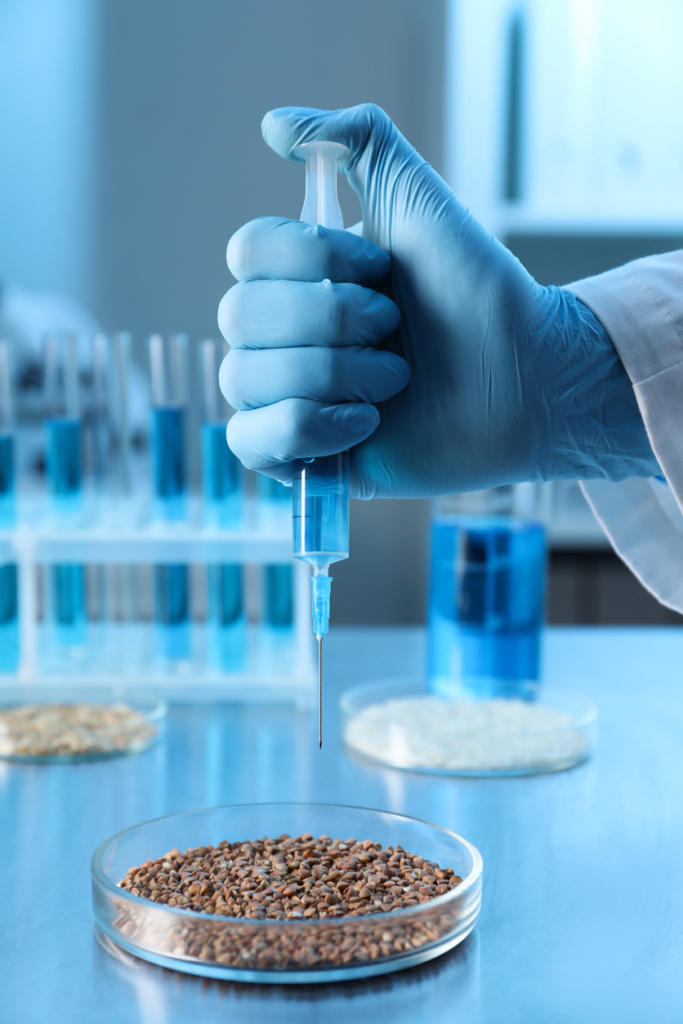
The Regulation Would Hinder Organic Farming
The organization points out that breeders and farmers wouldn’t be able to make informed decisions about seed use. Unlabeled products would complicate organic farming, where GMO use—including new gene technology products—is strictly prohibited.
Equally concerning is the risk that companies producing GMO seeds could patent them, letting large multinationals decide what farmers plant and what consumers eat. Farmers using patented seeds without buying them from the patent holder could even face lawsuits.
Last but not least, removing mandatory safety checks means it would largely depend on the goodwill or budget of GMO producers how thoroughly these products and crops are tested before market release. While no one intends harm, comprehensive studies on the medium- and long-term effects of GMOs are still lacking. If the regulation passes, we won’t even be sure about short-term effects.

“This concern isn’t just ours or that of Hungarian organic farmers. Numerous scientific institutes in the Netherlands, Germany, France, Italy, and elsewhere have also warned about the risks,” the expert added.
Let’s Protect GMO-Free Agriculture!
It looks like those opposing this regulation have one clear action: join the growing number of EU citizens expressing their views in writing against untraceable GMO use. If enough people speak up, mandatory labeling and safety checks might be preserved.
Many organizations, including Biokontroll, offer letter-writing tools on their websites where supporters can also select which MEPs to send their messages to by name.
“We hope many will share their opposition because if this draft passes, we’ll unleash a force that can’t be controlled again. International companies involved in GMO production have long worked to dismantle legal safeguards that protect public interests. We hope this attempt can be stopped through community effort,” concluded Dr. Péter Roszík.
Press release by Biokontroll.