While the tomato and mozzarella version only came to life in 18th-19th century Naples, flatbreads that can be seen as the historical predecessors of today’s pizza existed back in ancient Rome.
The Romans enjoyed oven-baked, seasoned flatbreads sold on city streets at thermopoliums, serving as both food and a “plate” for various toppings.
Despite their simplicity, these flatbreads were incredibly versatile: often topped with fruits, olives, spices, cheeses, or even ancient fish sauce (garum). For wealthier Romans, these breads sometimes appeared as desserts, making flatbread a playground for culinary creativity even then.
Ingredients and Technique
The dough for ancient Roman flatbread was made from flour, water, salt, olive oil, and sourdough starter. Common grains included spelt, durum, and einkorn, offering different textures and flavors than today’s white flours. Baking took place in open-flame ovens, surprisingly similar to modern Neapolitan pizza ovens.
The variety of toppings and seasonings was already impressive. Garum served as a nearly universal flavor enhancer, used in both sweet and savory combinations. Fruits, nuts, spices, and various cheeses enriched the flatbreads, making the pizza ancestor a canvas for flavor and creativity.
Archaeological and Written Sources
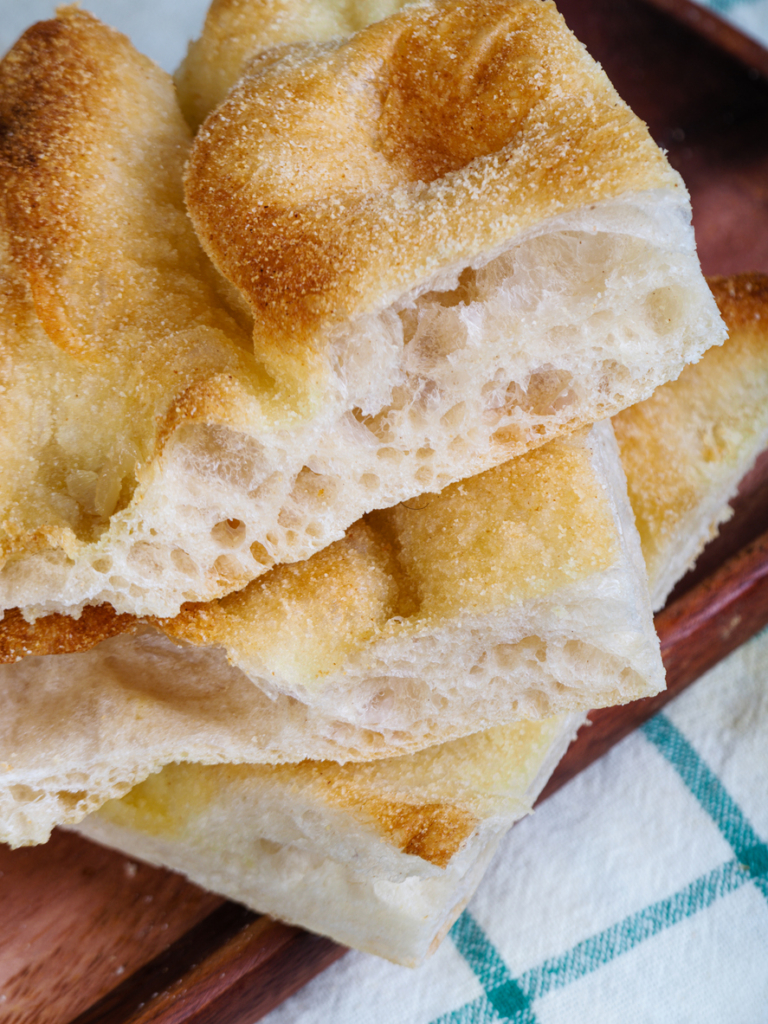
Today, we can learn about Roman cuisine from several sources. Pompeii’s frescoes vividly depict focaccia-like flatbreads topped with fruits, spices, and spreads. These images closely resemble what we call pizza today, even if the shape and ingredients differ.
The cookbook De re coquinaria by Apicius contains hundreds of recipes revealing the flavors and techniques typical of Roman cooking. The regular use of garum, various olive oils, and diverse grains shows how creative Romans were with seasoning and textures.
Pizza as a Social Phenomenon
Interestingly, Roman flatbread was more than just food—it had social and practical roles. Wealthier classes enjoyed it with special toppings at festive tables, while simpler versions were everyday street food at thermopoliums. Using bread as a “plate” made the meal both practical and enjoyable.
This balance of simplicity and creativity shaped the later story of pizza, when Neapolitan pizza makers in the 18th-19th centuries began blending local ingredients and techniques.

Ancient Recipes in Modern Kitchens
Recreating ancient pizza remains a challenge today. Some modern pizzerias, like Neverland in Budapest, experiment with Roman flatbread-inspired versions. The dough is slowly fermented with sourdough, and toppings echo the taste of Roman aristocracy: olive tapenade, confit meat, toasted pine nuts, and fruity reductions. There’s no tomato or mozzarella—the goal is historical accuracy and authentic flavor.
These experiments highlight that pizza isn’t just a Neapolitan invention but the result of a long evolution, stretching from ancient Rome to today’s restaurants.
Pizza as a Historical Journey
Ancient Roman pizza is more than food—it’s a cultural memory: a flavorful flatbread where daily life and taste experimentation met 2000 years ago. Recreating these flavors lets us explore not just recipes but the lifestyle and customs of the time. So, every bite of pizza becomes a little trip through history, reminding us that food and culture have always been deeply connected.