What Is Burnout and Why Should We Talk About It?
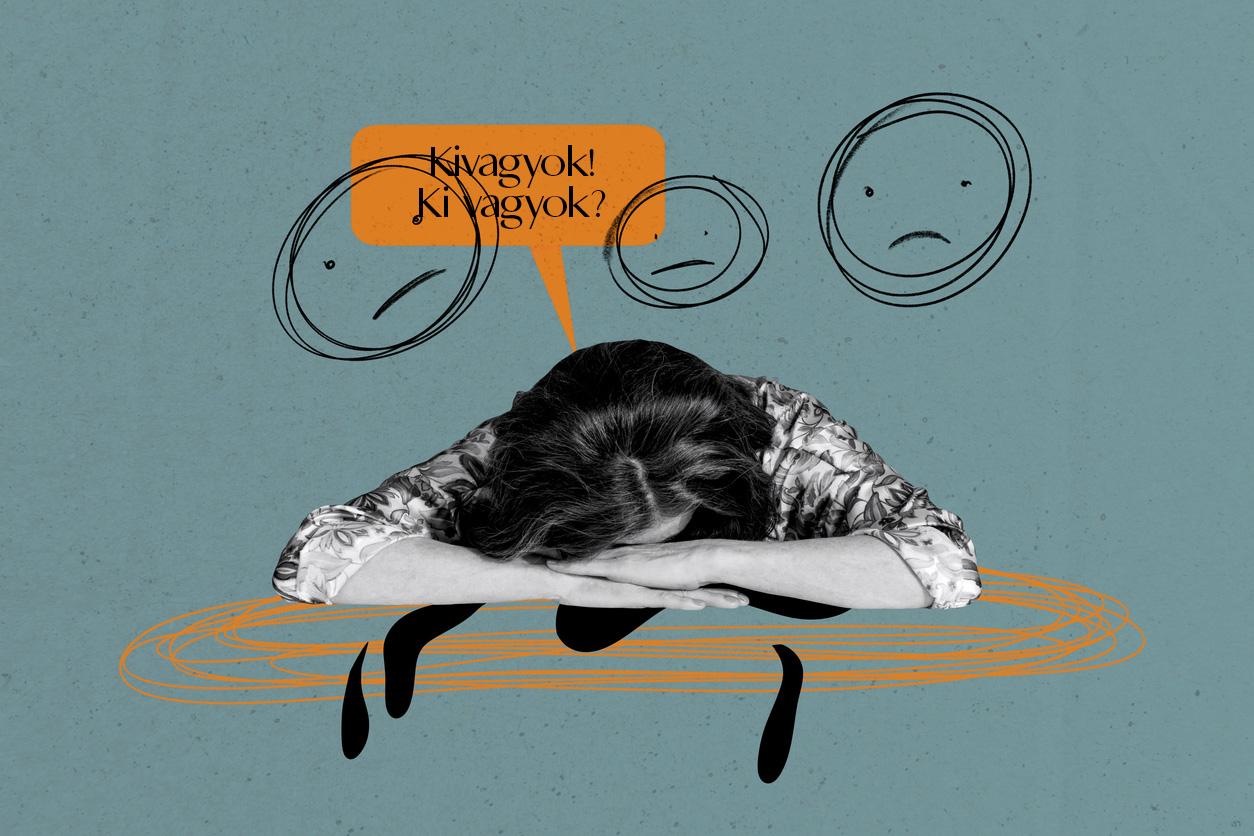
Burnout is a physical, emotional, and mental exhaustion often caused by prolonged stress and excessive workload. Over recent decades, it’s become a hot topic as modern lifestyles and workplace demands keep ramping up the pressure on us all.
Burnout isn’t just a personal struggle—it impacts workplace atmosphere, job performance, and personal relationships. Those affected often feel anxious, unproductive, and neglect their own needs.
How to Spot the Signs of Burnout?
Burnout shows up in different ways, and symptoms vary from person to person. Here are some common signs to watch for:
- Constant exhaustion that doesn’t improve with rest.
- Declining work performance and motivation.
- Emotional fatigue, irritability, or apathy.
- Physical symptoms like headaches, muscle pain, or sleep troubles.
- Neglecting personal relationships.

Ways to Fight Burnout
1/5. Balance Work and Personal Life
One of the best ways to avoid burnout is setting clear boundaries between work and personal time. Keep your evenings and weekends free for relaxation, and separate home activities from work tasks whenever possible.
Recognize when you need a break—not just physically, but also mentally and emotionally.
2/5. Embrace Mindfulness and Relaxation
Mindfulness and relaxation techniques like meditation help manage stress and keep you present. They boost your understanding of your feelings and needs, and help you see challenges from new angles—lightening your emotional load.
Try weaving these simple habits into your daily routine and notice how they uplift your mood and work performance.
3/5. The Power of Exercise
Regular exercise boosts not only your physical health but also your mental well-being. The endorphins released during workouts brighten your days and help reduce stress.
Aim to move your body several times a week—whether it’s a brisk walk or a gym session—the key is to enjoy it.
4/5. Lean on a Supportive Community
A supportive community can help you through tough times. Honest conversations with friends, family, or coworkers ease feelings of isolation and give you a safe space to share your stress.
Join community events or groups where people with similar experiences exchange ideas and tips.
5/5. Seek Professional Help When Needed
If burnout symptoms affect every part of your life, don’t hesitate to reach out for professional support. Psychologists, coaches, and therapists can help you identify the root causes and tackle them effectively.
Remember: asking for help is a sign of strength and the first step toward a more balanced, joyful life.
Fighting burnout takes long-term commitment to yourself, but with these methods, you’ll find it’s easier to live a balanced, harmonious life.