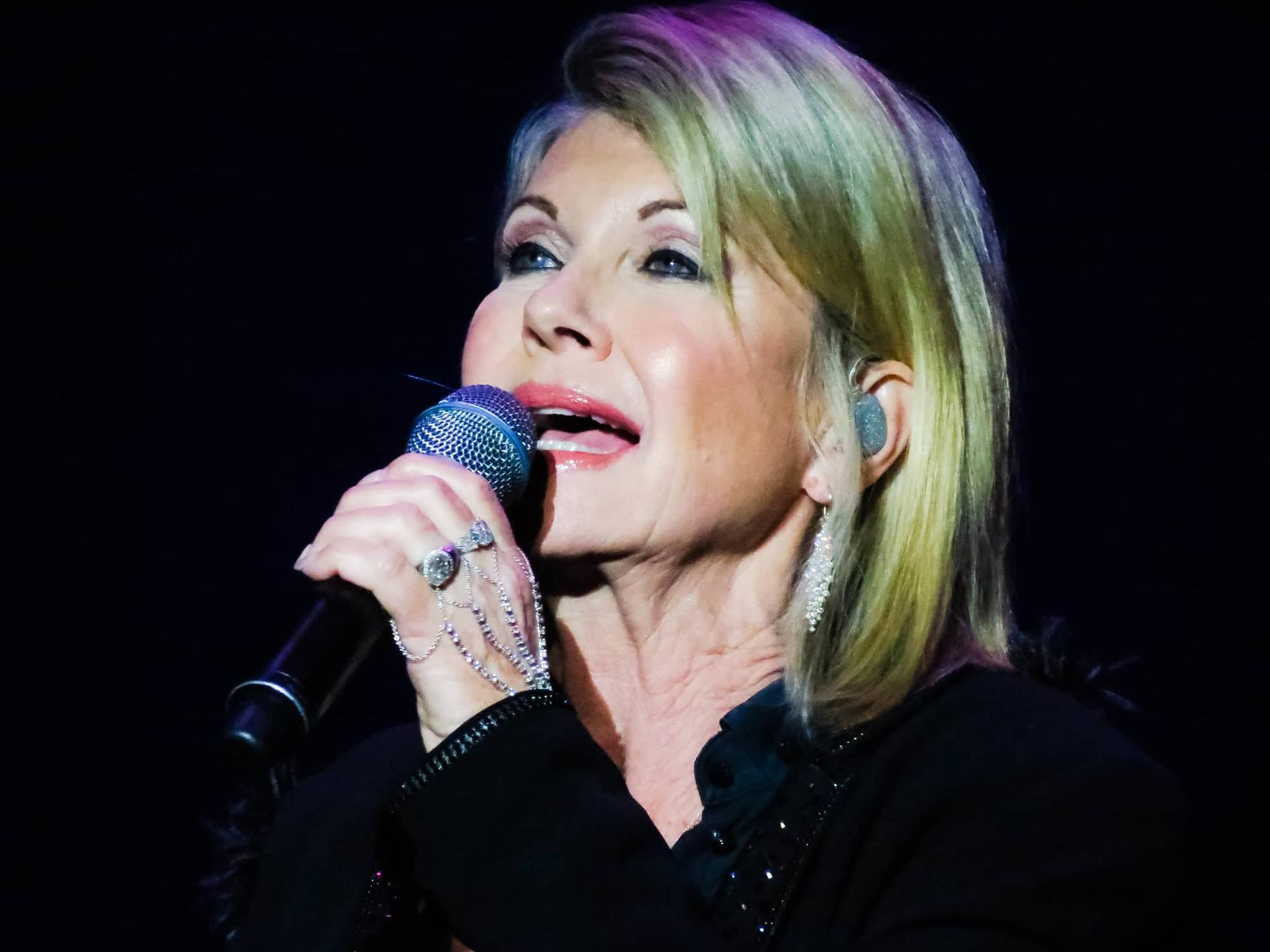
For millions of people, Olivia Newton-John will always be the pretty blonde who danced and sang beside John Travolta in Grease. That image froze her in time — somewhere in the late seventies, forever young, forever smiling.
But the woman behind that image lived a much bigger, braver and more complicated life than most fans ever realized. She won four Grammys, sold out arenas, and spent decades quietly fighting a battle that would eventually take her at the age of 73.
So where did she come from, and who was Olivia Newton-John really?
She stepped on stage early
Olivia once called herself "boring," joking that being kind to everyone all the time eventually gets dull. She said it more than once to the press — but she never apologized for who she was. Even when she faced harsh criticism, she stayed warm, positive and generous. Not everyone, it turned out, liked the gentle "girl next door" type.
She was born on September 26, 1948, in Cambridge, England, the third child in her family. Her father was a university professor, and when Olivia was six he took a job in Melbourne, so the family moved to Australia. Her parents divorced a few years later, and it was around then that she began to sing more seriously — first at home to fill the silence, then among family, and eventually on the small stage of her brother-in-law's café.
She had originally dreamed of becoming a veterinarian, but doubted she could pass the science exams, so she chose a different path. Performing as "Lovely Livvy," she became a regular on Australian radio and television, and at 16 she won a TV talent contest. She learned to play on a guitar her mother gave her.
In 1971 she met Cliff Richard, who was hosting his own TV variety show and invited her to become a regular performer. The musicians who would later become the world-famous band The Shadows were struck by her sweet, alluring voice and invited her into the studio to record together.
Four Grammy awards
At heart she was a pop singer, but the band was convinced that her gift for delivering songs with tender emotion would fit perfectly into country music too. They weren't wrong. Her first hit, "If Not for You," was born.
She stayed on that path, releasing one country hit after another. In 1973, "Let Me Be There" earned her the first of four Grammy awards.
In 1974 she performed at the Eurovision Song Contest, representing the United Kingdom. Years later she admitted she couldn't stand the song she sang — she found "Long Live Love" hopelessly bouncy — and she hated the frilly blue dress she had to wear. She'd wanted to perform in trousers, but a fan survey was held beforehand and the audience voted for the dress. The song finished fourth that year; ABBA won with "Waterloo."
Country musicians didn't want to let her in
Her voice and melodies slotted perfectly into radio charts, and that success bred plenty of envy. A pop singer with an Australian accent breaking into American country music rubbed many the wrong way. Some in the industry even formed an association to keep out these so-called "musical immigrants" — with little success.
They mocked her manufactured image and made fun of her modest stage movement. Olivia later said she didn't even know about it. "I traveled so much, performed, worked — I didn't pay attention to anything else back then," she said in a later interview.
Privately, the criticism stung, but she never responded to the negative comments. She didn't need to. The hits and the awards spoke for her, and they kept coming.
She became a mother at 38
Her first husband was Matt Lattanzi, whom she met on the set of the film Xanadu. Thanks to him she became a mother at the peak of her career, when their daughter Chloé Lattanzi was born in 1986. At the time, many couldn't understand the relationship. She was a global star who could have had her pick of wealthy suitors, yet she chose a then-unknown dancer.
After her divorce in 1996, she met film industry professional Patrick McDermott. Eight years into their relationship, he vanished at sea. The exact circumstances of his disappearance remain unclear to this day. In 2008 she married businessman and wellness advocate John Easterling and moved to Florida.
In 1992 she was diagnosed with breast cancer, which was successfully treated at first. But the disease returned several times, and by 2017 it had become so aggressive that it spread to other parts of her body. For decades she fought it while touring the world to promote cancer screening. On August 8, 2022, her husband announced that Olivia Newton-John had died at 73, at her California home, in her own bed.
If you grew up admiring stars from this era, you might enjoy revisiting the celebrities who were famously kind to their fans.
With nearly forty albums, a dozen films, worldwide success, and a lifetime of environmental, humanitarian and anti-cancer work behind her, Olivia Newton-John was so much more than a single role. And yet, for many, her name still calls up just one thing: Sandy, singing on a summer night.
Who was Olivia Newton-John?
She was a British-born, Australian-raised singer and actress best known for her role in Grease. She won four Grammy awards, released nearly forty albums, and spent decades as a devoted advocate for cancer awareness.
What was her most famous role?
She is most widely remembered as Sandy in the musical film Grease, alongside John Travolta — an image that came to define her in the public imagination.
How did Olivia Newton-John die?
She was first diagnosed with breast cancer in 1992. The disease later returned and, by 2017, had spread to other parts of her body. She died on August 8, 2022, at the age of 73, at her home in California.
How did she begin her music career?
She started singing as a teenager in Australia, performed on radio and TV as "Lovely Livvy," and won a TV talent contest at 16. A key turning point came when Cliff Richard invited her to be a regular on his show.