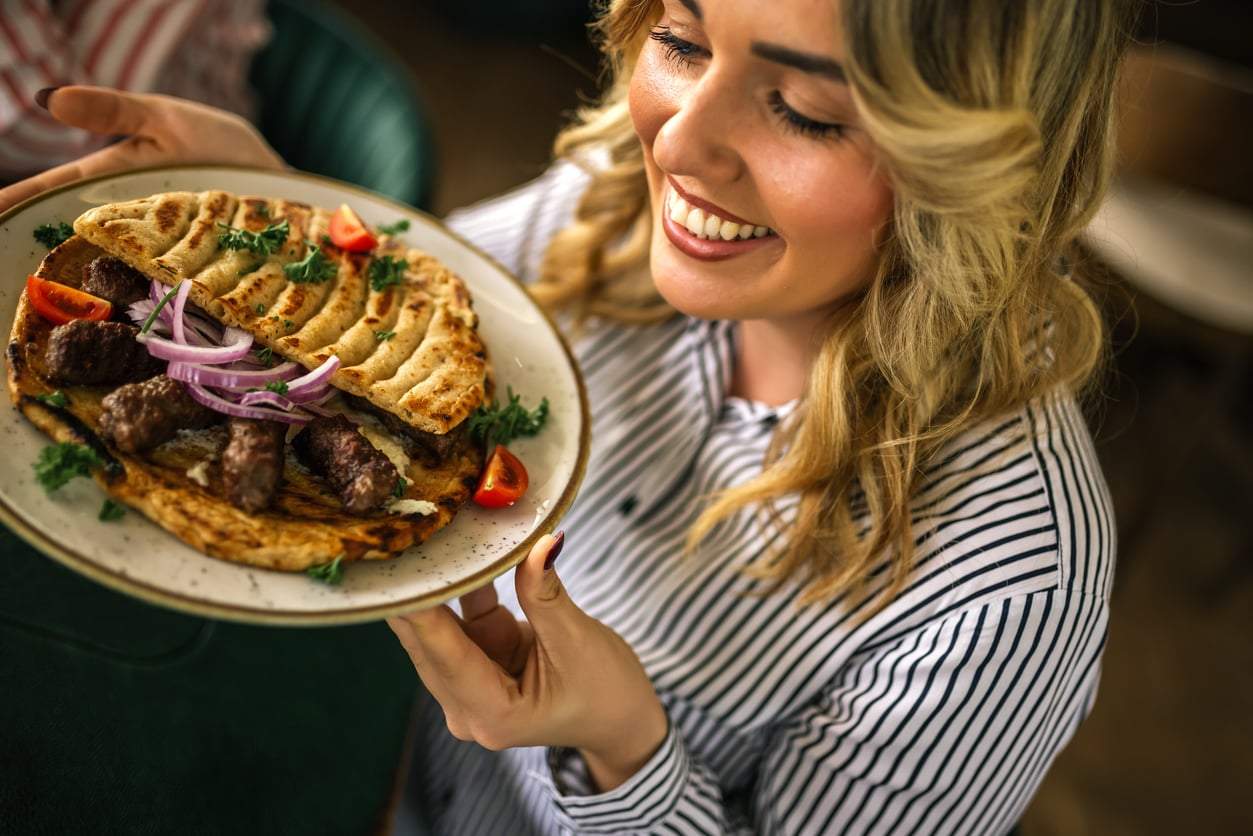
Christmas is a celebration of togetherness, cozy moments, and classic flavors. Yet, for many, joy quickly turns into uncomfortable fullness, bloating, and drowsiness—what we often call a "food coma." Why does our body react this way to holiday feasts, and how can we avoid it without skipping our favorite dishes? Dietitian Alessandra Pirlea is here to share her secrets.
What Happens in Our Body When We Overeat During the Holidays?
Most traditional holiday dishes are energy-dense and rich in fats and fast-absorbing carbs. Alessandra explains that this puts a heavy load on our digestive system.
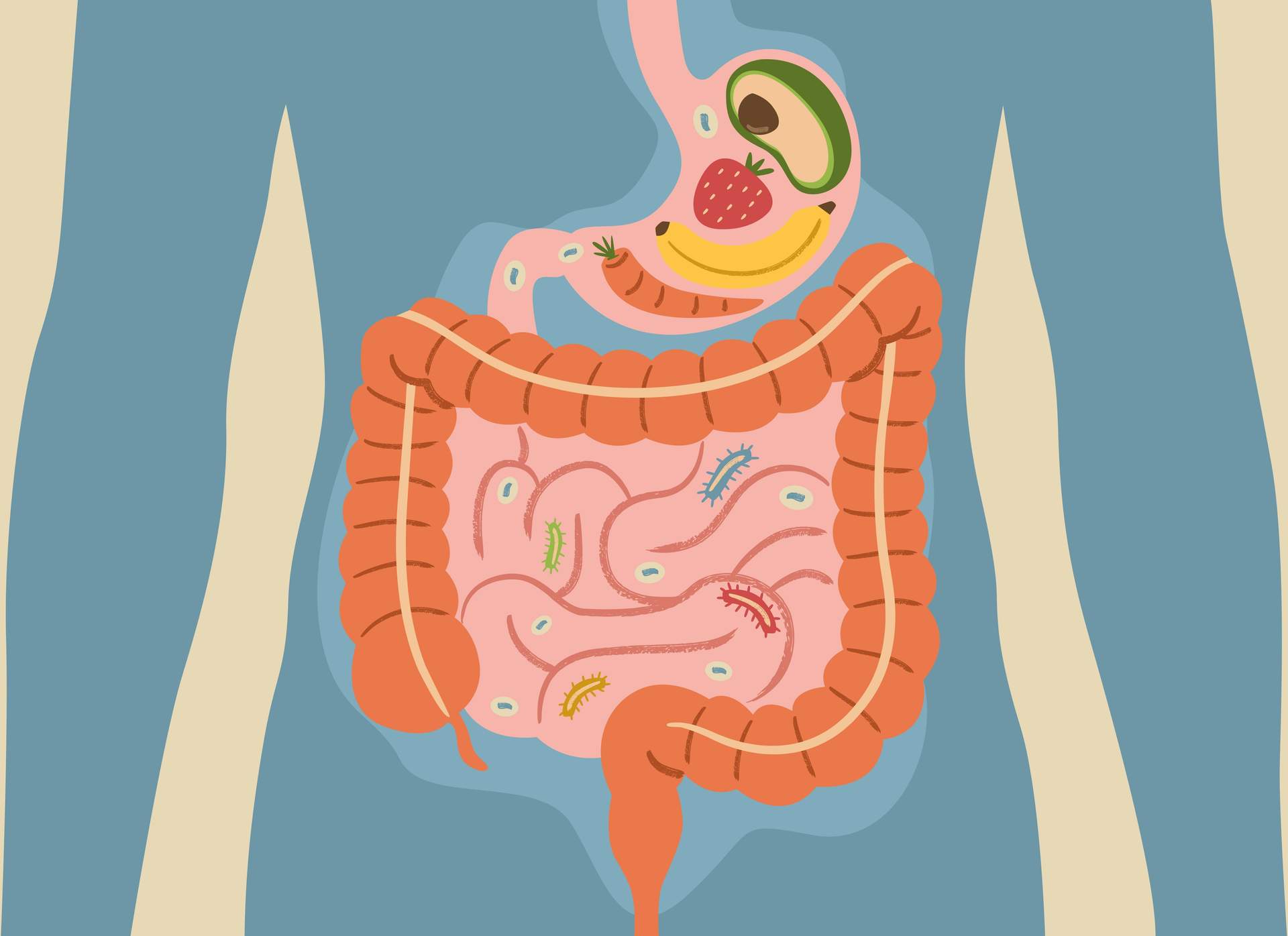
“Holiday foods are usually high in energy, loaded with fats and fast-digesting carbs, but low in fiber. When we eat large amounts in a short time, our digestive system switches to high gear. A significant portion of blood flows to the digestive organs, while the brain and muscles temporarily get less oxygen. This can cause fatigue, sluggishness, and sleepiness.”
Blood Sugar Swings and Alcohol Can Worsen How You Feel
“Sugary desserts and white flour dishes cause a quick spike in blood sugar, often followed by a sudden drop. This rollercoaster can add to tiredness and low energy. Alcohol makes it worse by slowing digestion, increasing appetite, and reducing feelings of fullness.”
Some Groups May Be Especially Sensitive
“The ‘food coma’ often hits those with insulin resistance, diabetes, sedentary lifestyles, or those who skip meals all day and then try to ‘make up’ for it at the holiday dinner. For people with digestive issues, careful eating is key, as emergency rooms see more cases of appendicitis, gallbladder attacks, and other complaints during the holidays.”
How to Make Your Holiday Menu Easier on Your Stomach
The dietitian stresses that balance and mindfulness—not restriction—are the keys.
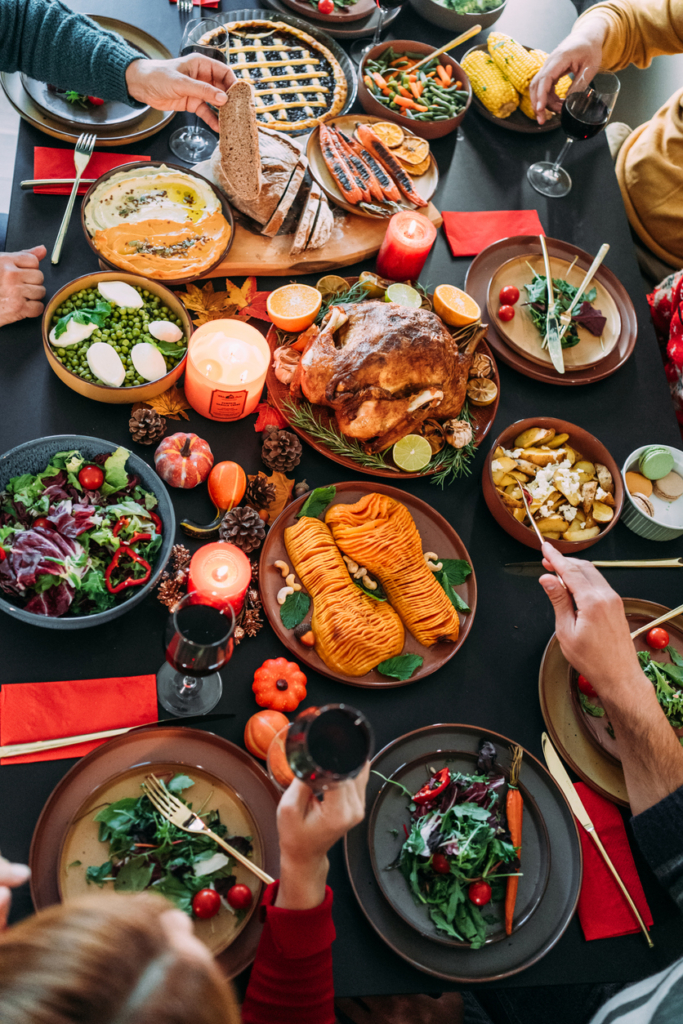
“A balanced holiday meal is built on mindful planning, not banning foods. You don’t have to skip every traditional dish; focus on creating harmony across the whole menu.”
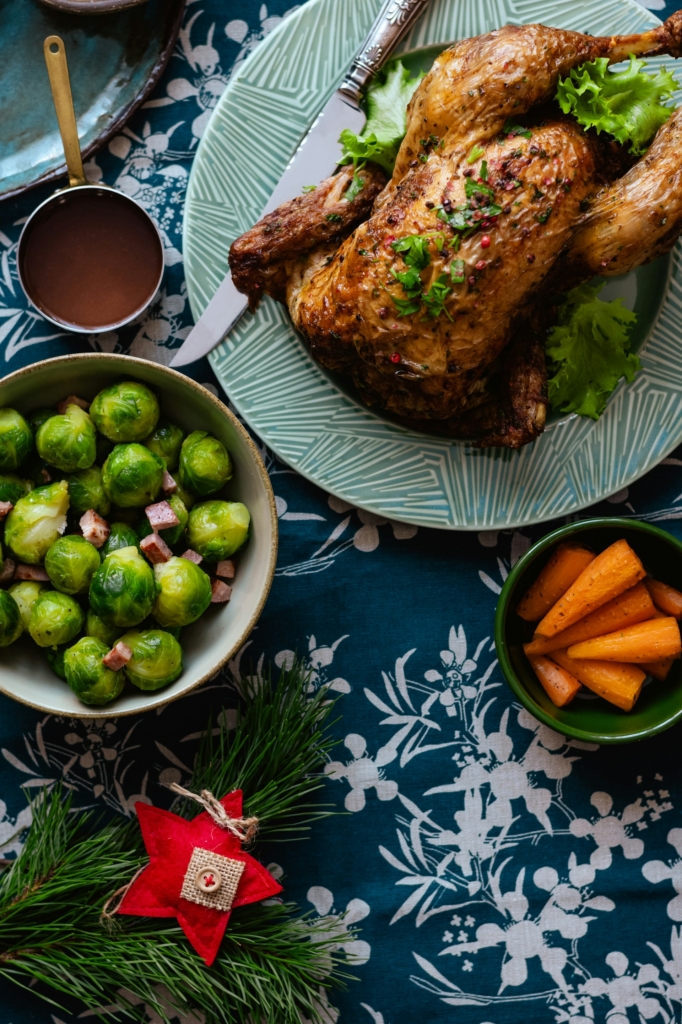
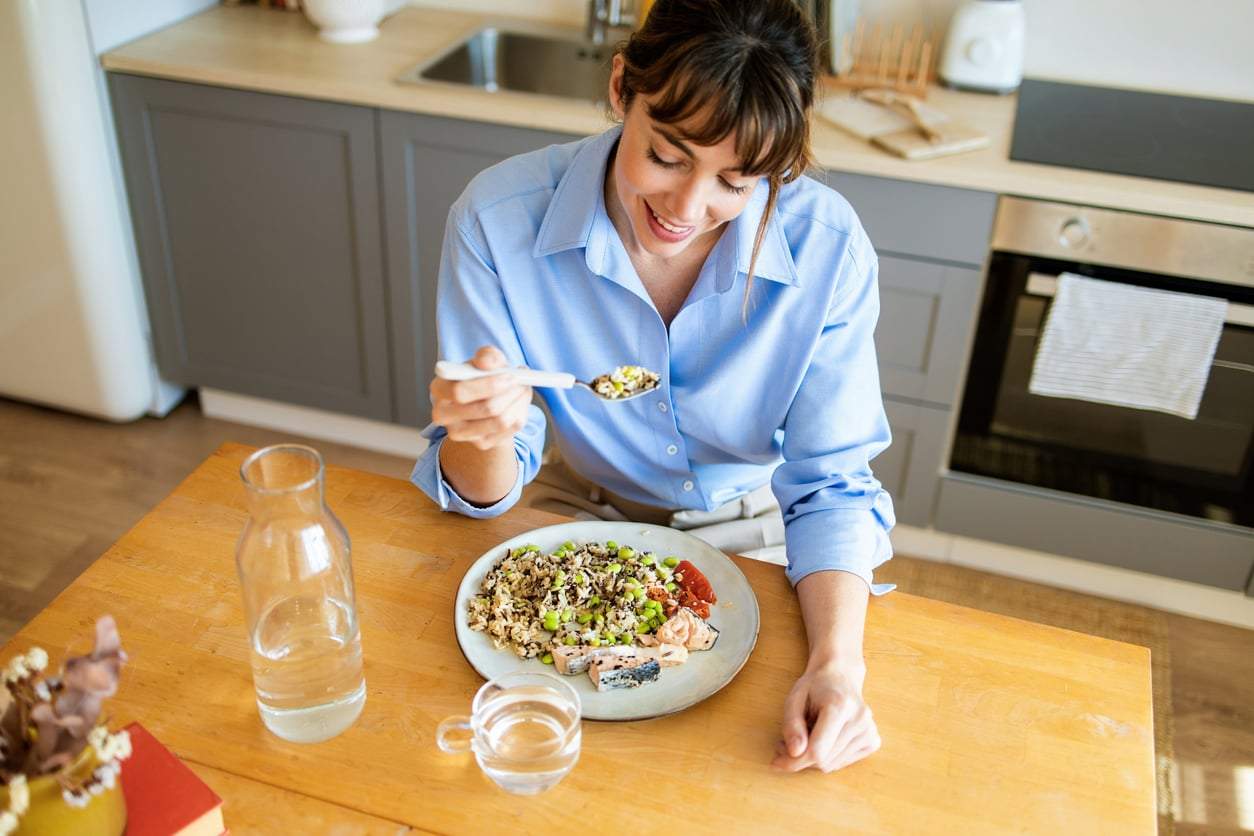
If the main dish is heavier, lighten up the sides. “For rich mains like fried meat or stuffed cabbage, pair them with lighter sides like fresh or steamed veggies. Fiber-rich vegetables aid digestion and help you feel full sooner.”
Small tweaks make a big difference. “Try making stuffed cabbage with chicken or turkey to reduce fat and heaviness. Fresh, steamed, or oven-roasted colorful seasonal veggies and pickles should never be missing from your holiday table.”
And don’t forget hydration: “Make sure to drink enough fluids, especially water—it’s essential.”
Desserts: Enjoy Without Guilt
For most families, Christmas isn’t complete without cookies and cakes—but how we enjoy them matters. “Mindfulness helps here too: you don’t need every classic dessert on the table at once. A few beloved sweets are enough to keep the festive spirit alive.”
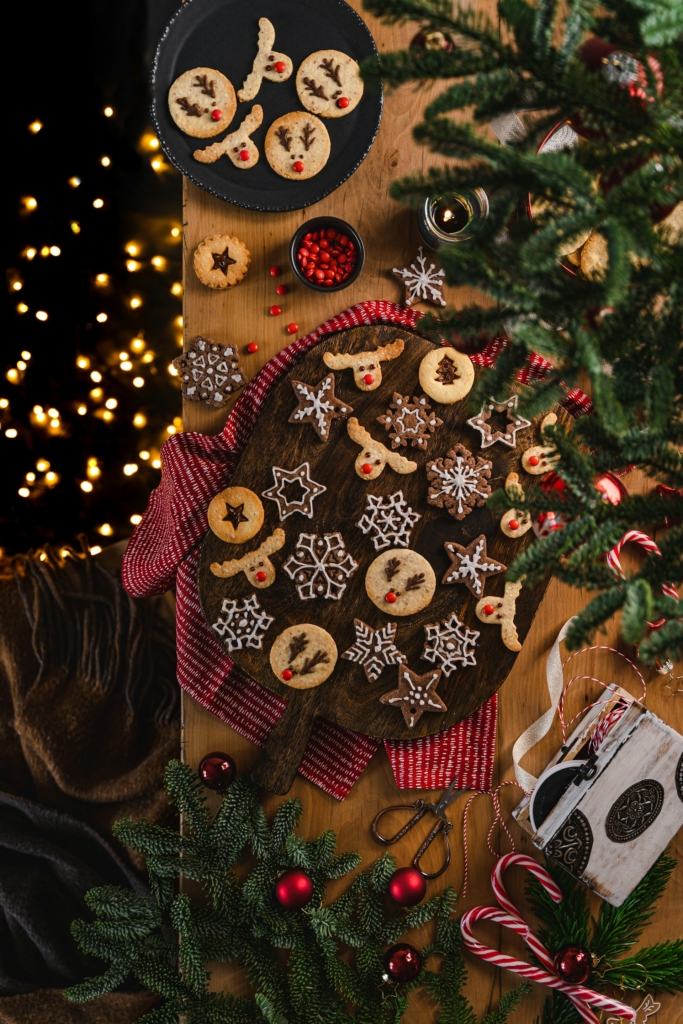
You can also lighten up recipes. “Cut sugar in half or use sweeteners for very sugary desserts, or rely on the natural sweetness of fruits. For sponge cakes, banana, apple, or pear purée works wonders, making the cake moist and soft—perfect for kids too.”
Lighter Dishes with Simple Tricks
The expert encourages us not to fear traditional recipes.
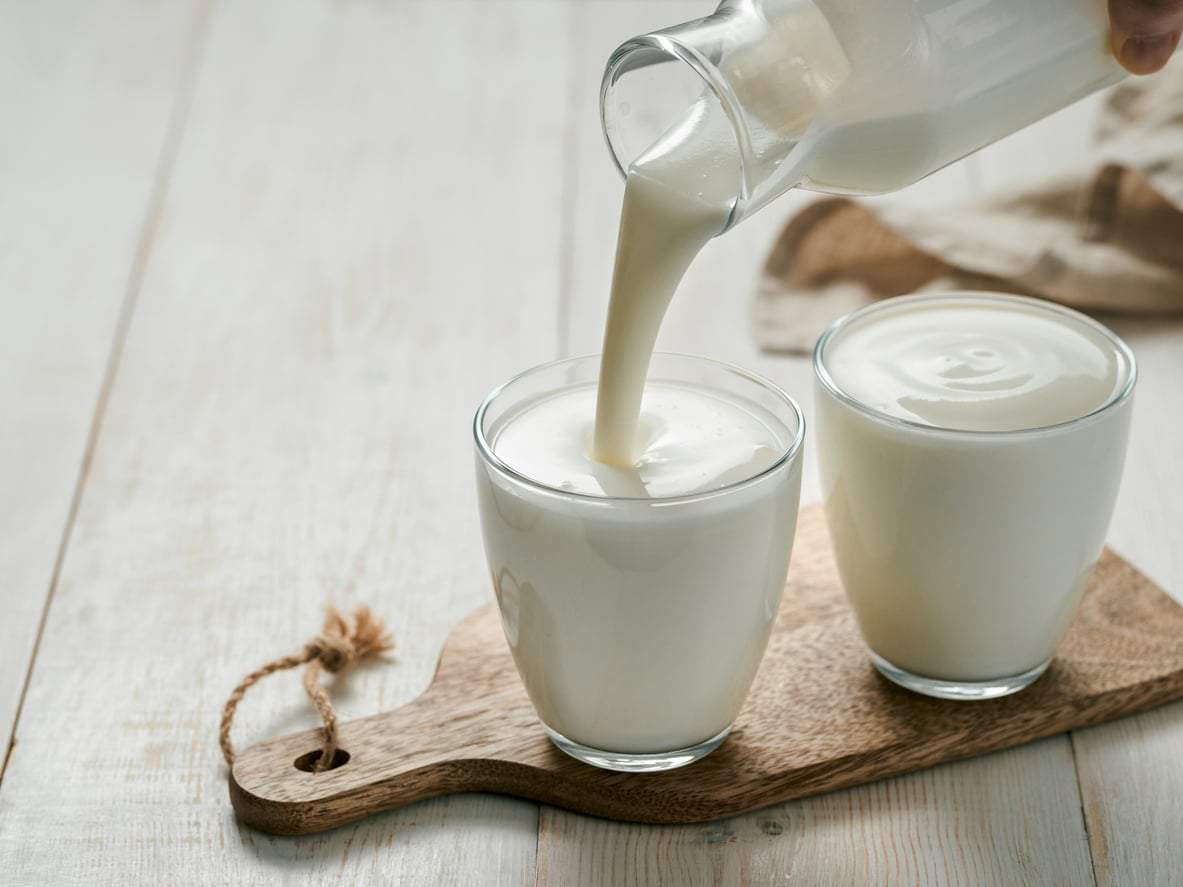
- Replace some cream with plain yogurt, kefir, or plant-based cream to cut fat without losing flavor. Serve leaner sour cream or yogurt with stuffed cabbage.
- Choose good-quality bread for sides—sourdough or whole grain are great picks.
- Instead of roux-thickened soups and stews, try thickening with vegetables or a light slurry.
- The air fryer has become popular and is found in many kitchens. It’s a healthier alternative to deep frying, requiring less oil and still delivering great taste.
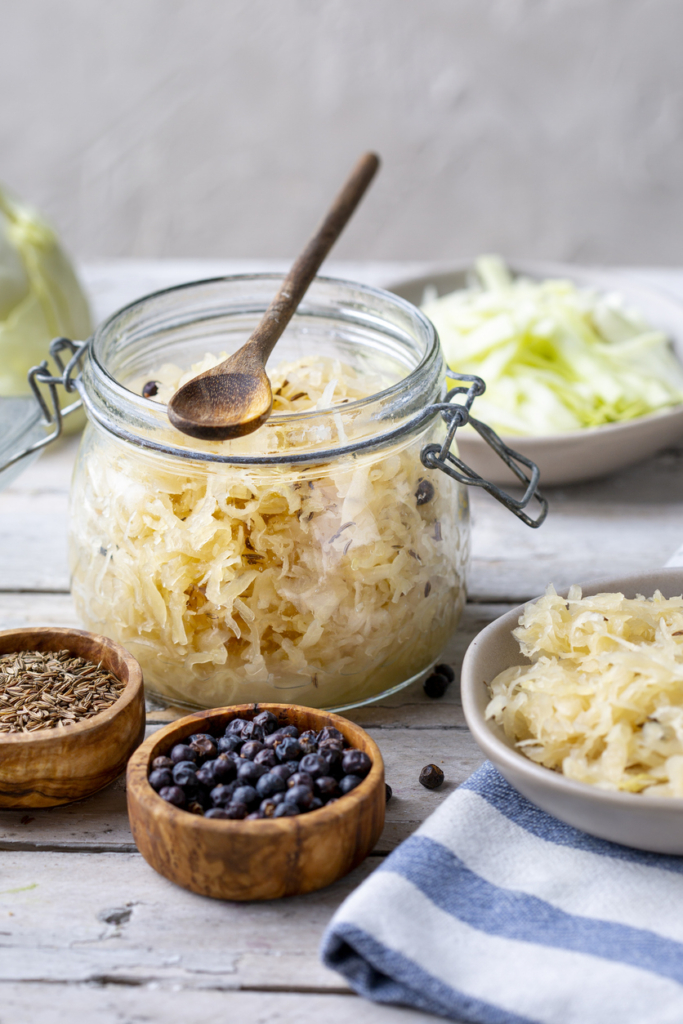
- Don’t skip digestion-friendly pickles. Sauerkraut, beets, and fermented cucumbers not only balance flavors but also support digestion, especially alongside richer meats. Check out why sauerkraut is a budget-friendly superfood.
What Eating Rhythm Works Best During the Holidays?
Many make the mistake of eating very little or skipping breakfast before the big holiday meal, which often leads to overeating.
The dietitian says sticking to your usual rhythm is key. “Regular meals—three main meals a day with smaller snacks if needed—help keep blood sugar and appetite steady.”
Don’t skip breakfast. “Start your day with a traditional breakfast, not just sweet rolls or cakes. You can include 1-2 slices of holiday cake, but desserts should be enjoyed as treats or snacks with some fruit, not as main meals.”

At the table, slow down. “Eat slowly, chew thoroughly, and pay attention to your body’s signals of fullness.”
And remember what Christmas is really about: “Holidays aren’t just about food or ‘gorging,’ but about spending loving time with family.”
What to Do If You Overeat Anyway?
Instead of guilt, support your body. “Feeling guilty over holiday overeating often weighs heavier than the meal itself. Remember, occasional indulgence doesn’t ruin a healthy lifestyle.”
Often, the solution is simpler than you think.
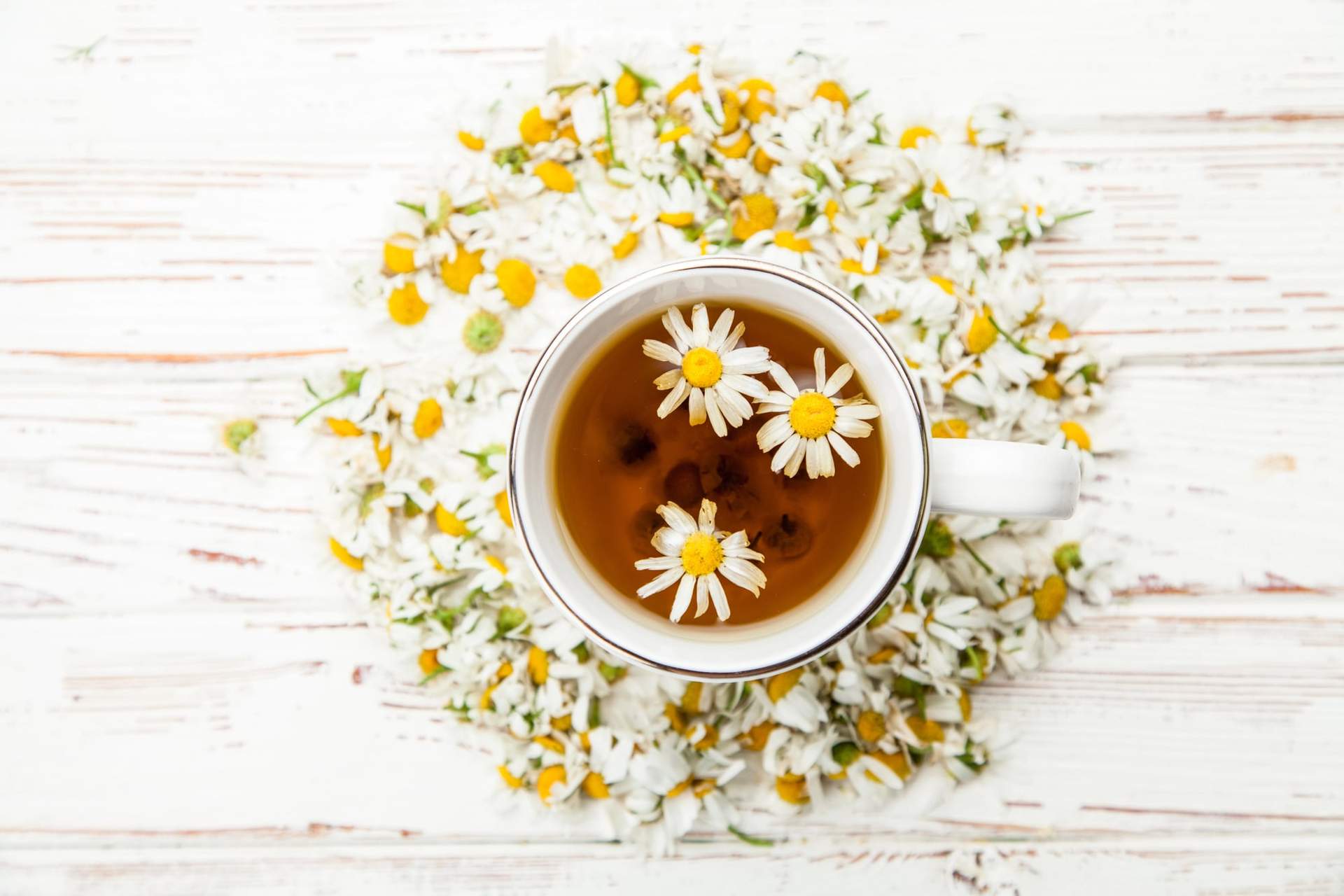
- The dietitian recommends easing symptoms with a light walk, proper hydration—mainly water or tea—and lighter, fiber-rich meals afterward.
- Don’t forget metabolic breaks: take 3-4 hour pauses between meals to avoid overloading your digestion.
- Extreme approaches like fasting usually do more harm than good.
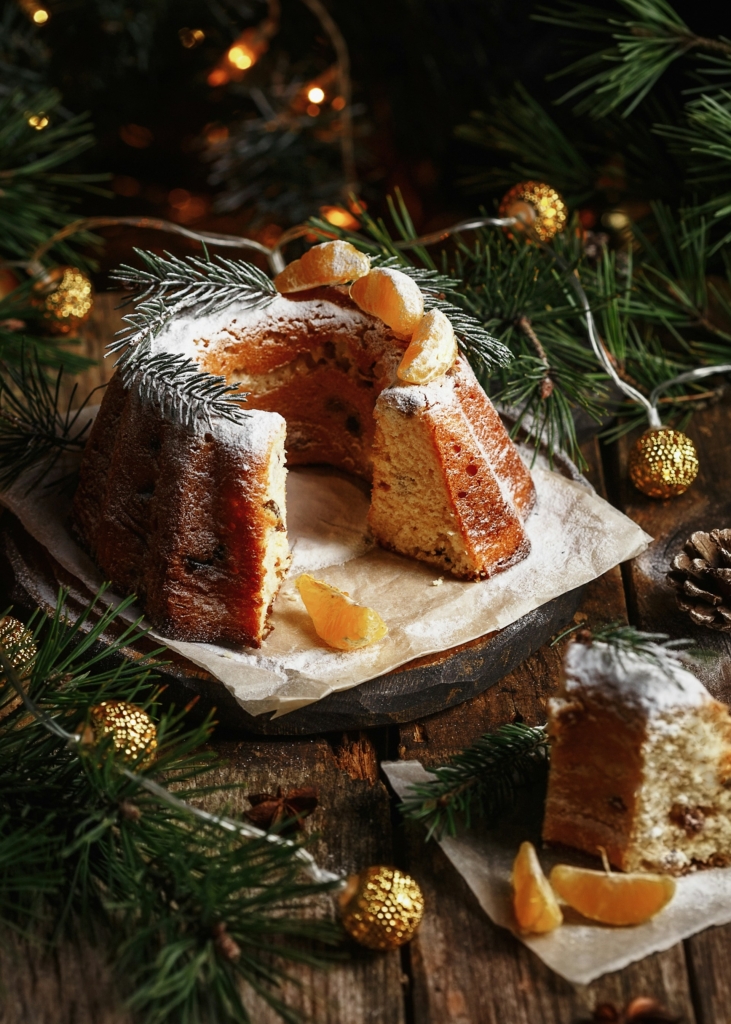
The Key to Guilt-Free Celebrations Is Balance
Alessandra highlights that attitude matters most.
“From a dietitian’s perspective, the biggest challenge isn’t the food itself but the mindset around it. Healthy eating isn’t about one day or one meal—it’s about the long-term balance. I encourage everyone to relax during the holidays, enjoy moments with family, and let the treats nourish both body and soul. The answer isn’t extremes but finding and keeping balance.”
With this approach, Christmas dishes will nourish your body and spirit—when you listen to yourself and embrace the true meaning of the season.