
I don’t know about you, but every time I share an elevator ride with others, I get this odd feeling. As the doors close, suddenly everyone changes just a bit. It’s like there’s an invisible rulebook no one speaks aloud, yet everyone follows. We quickly press the button, then comes that classic moment: where do I look? The display? The floor? My own shoes? Definitely not at the others… And somehow, everyone feels the same. But why does such an everyday moment feel so strange?
A Strange, Confined Space
The elevator is a truly unique space. It’s small, enclosed, and often shared with strangers. There’s no way to step back or escape if things get uncomfortable. Normally, we keep a certain distance from others. But in an elevator, that’s just not possible, which can naturally create a bit of inner tension.
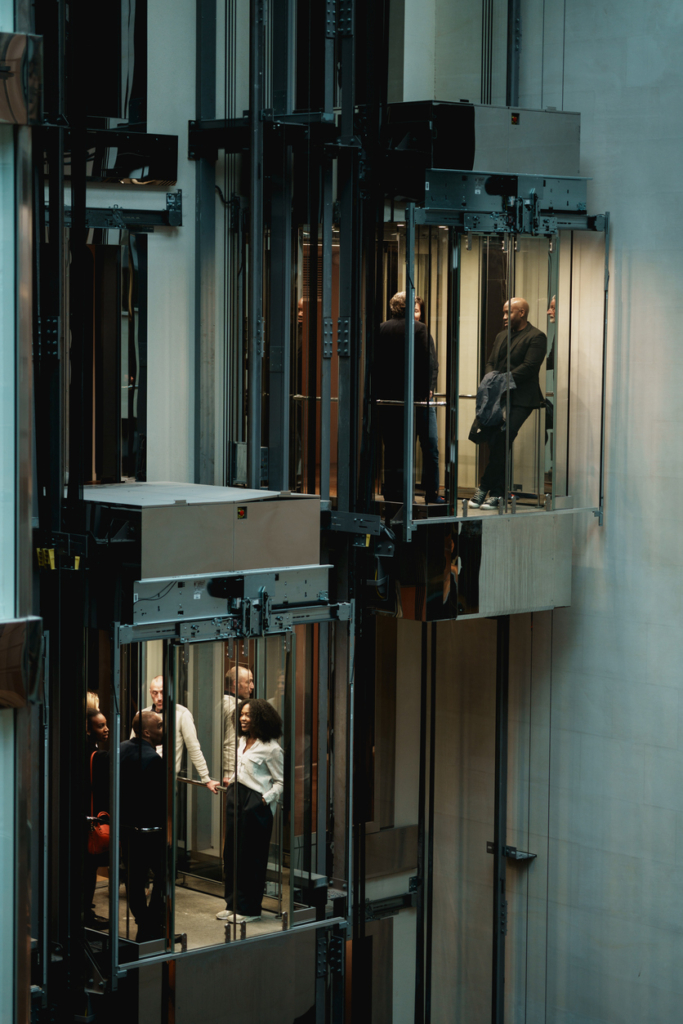
The Eye Contact Dilemma
One of the oddest things in an elevator is that almost everyone avoids making eye contact. It’s not rudeness, quite the opposite. Eye contact usually sparks communication. But in an elevator, no one really wants to chat. So everyone looks somewhere “safe” — the display, the wall, or the buttons.
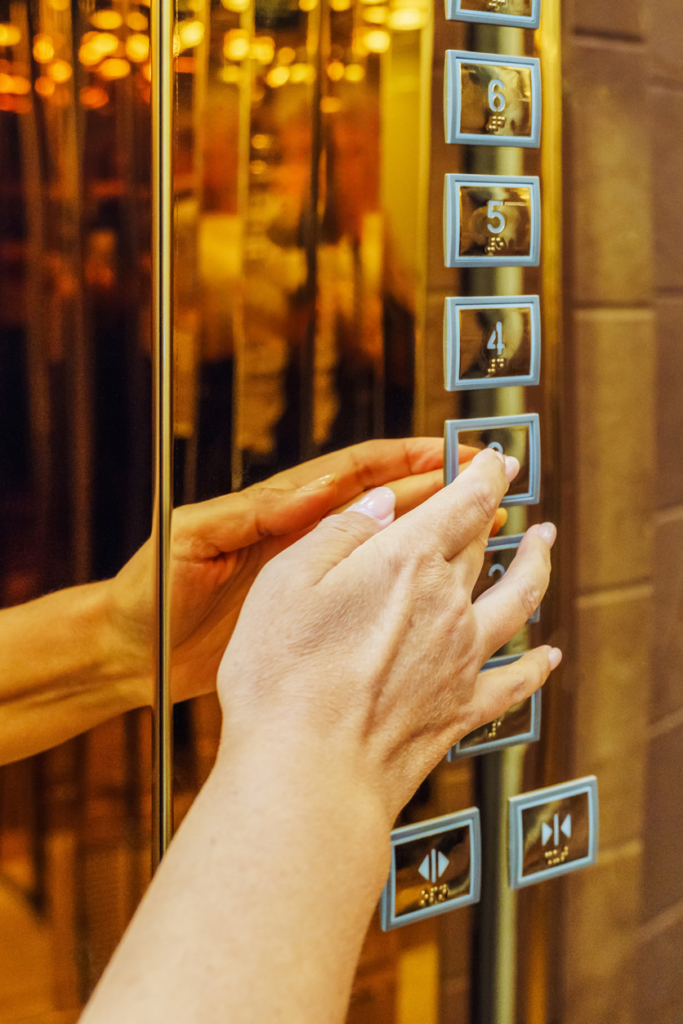
We Don’t Know What’s “Normal”
There’s no clear behavior guide in an elevator. It’s not like a store or café where we know the social script. Should we talk? Stay quiet? Smile? Say hello? This uncertainty often leads us to withdraw. It’s like everyone silently agrees: no talking now. This quiet is actually a kind of “safe zone.” No need to speak or react, just wait for the doors to open.
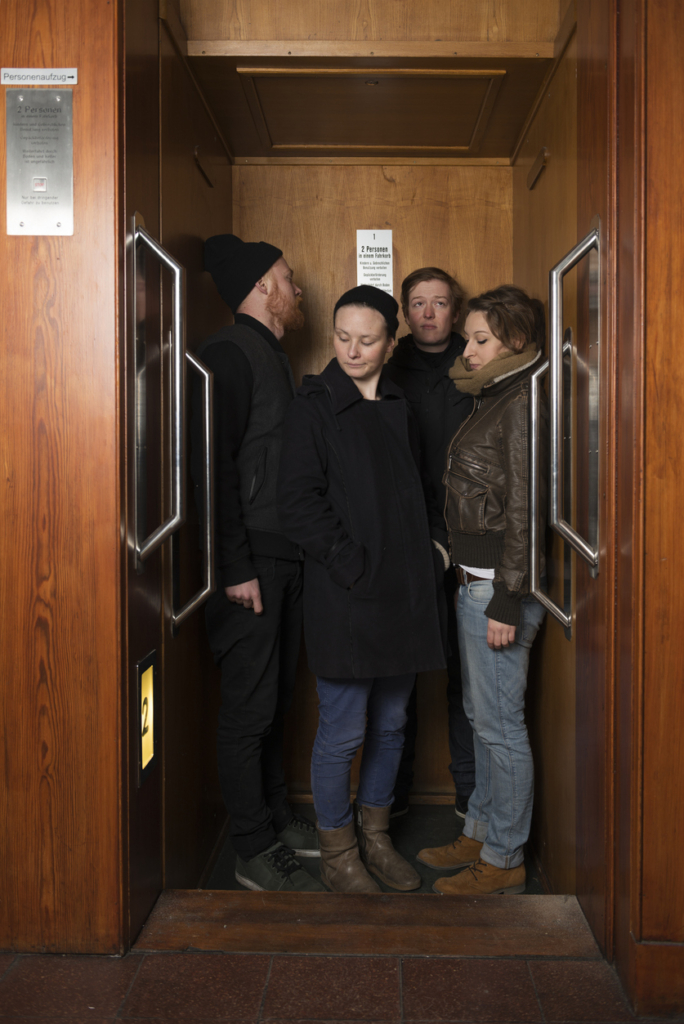
We All Try to Be "Invisible"
You might have noticed that in elevators, everyone tries to take up as little space as possible. We avoid unnecessary movements, keep our voices low, and try not to stand out.
It’s an unspoken rule: don’t disturb each other.
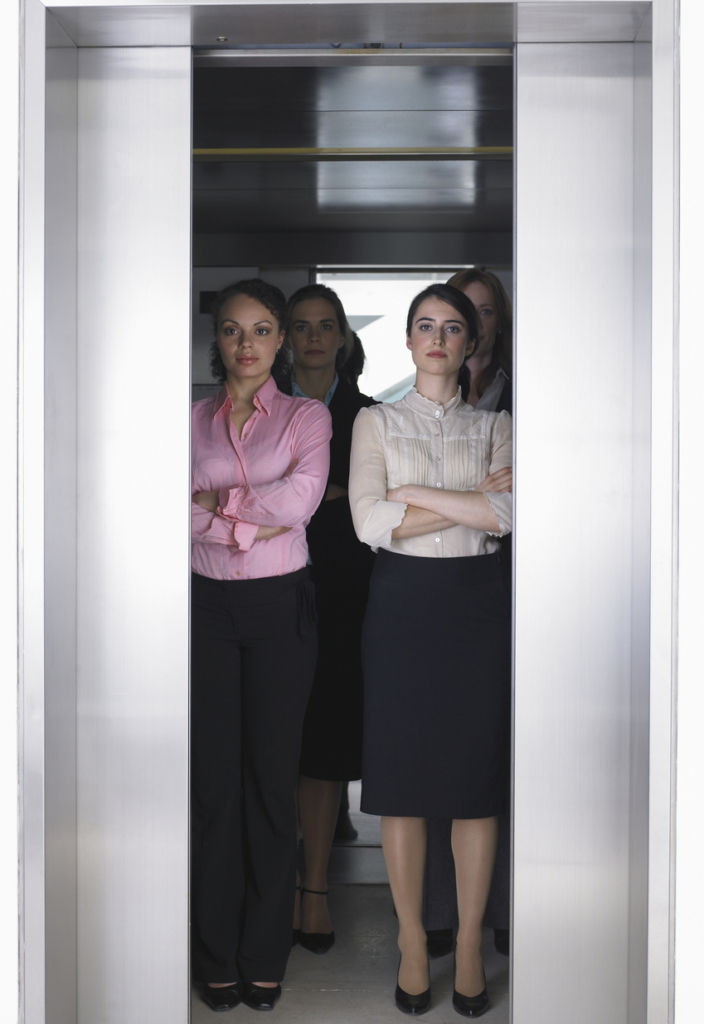
What Happens When Someone Breaks the Silence?
Surely you’ve been in a situation where someone suddenly speaks up in the elevator. And something really interesting happens. Until then, everyone stands a bit tense, avoiding eye contact as if following an invisible rule. Then someone blurts out: “Is this elevator always this slow?” or “It always stops in the weirdest order…” And just like that… something breaks.
What was a slightly awkward silence suddenly starts to ease. Someone smiles, another chuckles quietly, and someone else adds a comment. That strange situation everyone was trying to “survive” turns into a genuinely human moment. This is a fascinating psychological phenomenon — what we feared, that someone would speak and it’d be awkward, often ends up being exactly what releases the tension.
It’s like everyone’s waiting for someone else to start, but no one dares.
This is especially funny when the elevator really does act “weird.” For example:
- it stops on floors where no one gets off,
- the doors close unusually slowly,
- or it stops at every single floor, even if no one called it.
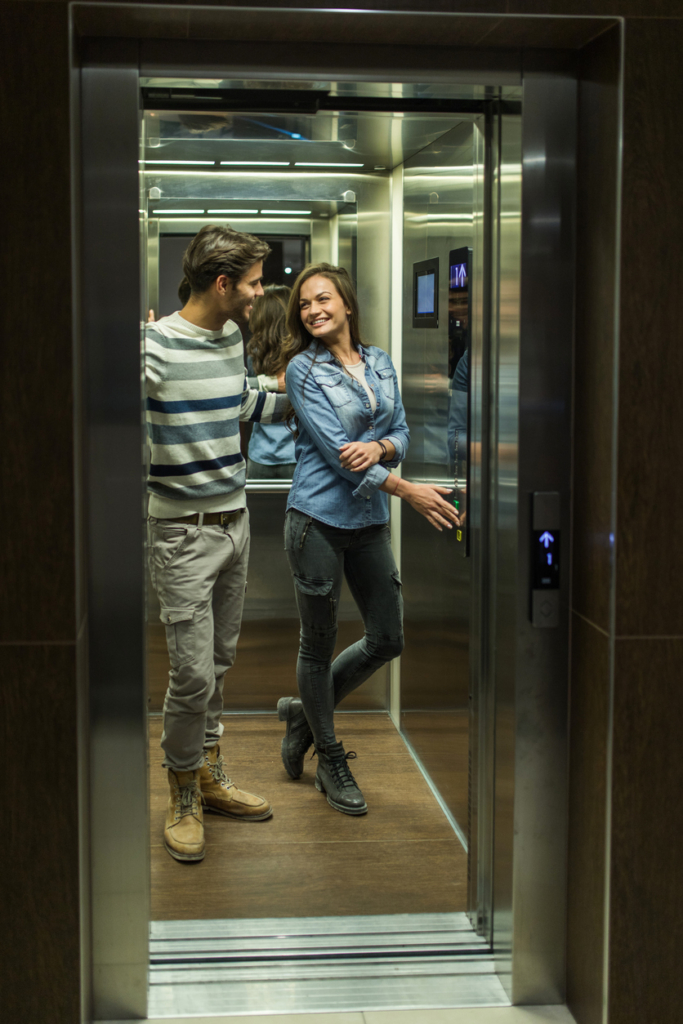
At moments like these, you can almost feel the shared thought: “Is this for real?” And when someone finally says it out loud, relief almost always follows. Suddenly, you realize you weren’t the only one thinking it. There’s something deeply human in these little remarks. It doesn’t have to be a big conversation. Sometimes a half-sentence, a comment, or just a shared glance and smile is enough. Even more interesting: these short, seemingly insignificant elevator chats often leave behind a surprisingly good vibe.
When you step out, it’s not that tense feeling that lingers, but a small, lighthearted moment. Maybe because for a brief second, the distance we usually keep from each other disappears. And maybe the strangest part is that what we first feared — speaking up, connecting, the “awkward moment” — often ends up being exactly what breaks the ice. So next time you’re stuck in a slow elevator and feel that familiar silence, maybe one sentence is all it takes. Who knows, you might be the one who helps everyone relax and even smile a little.