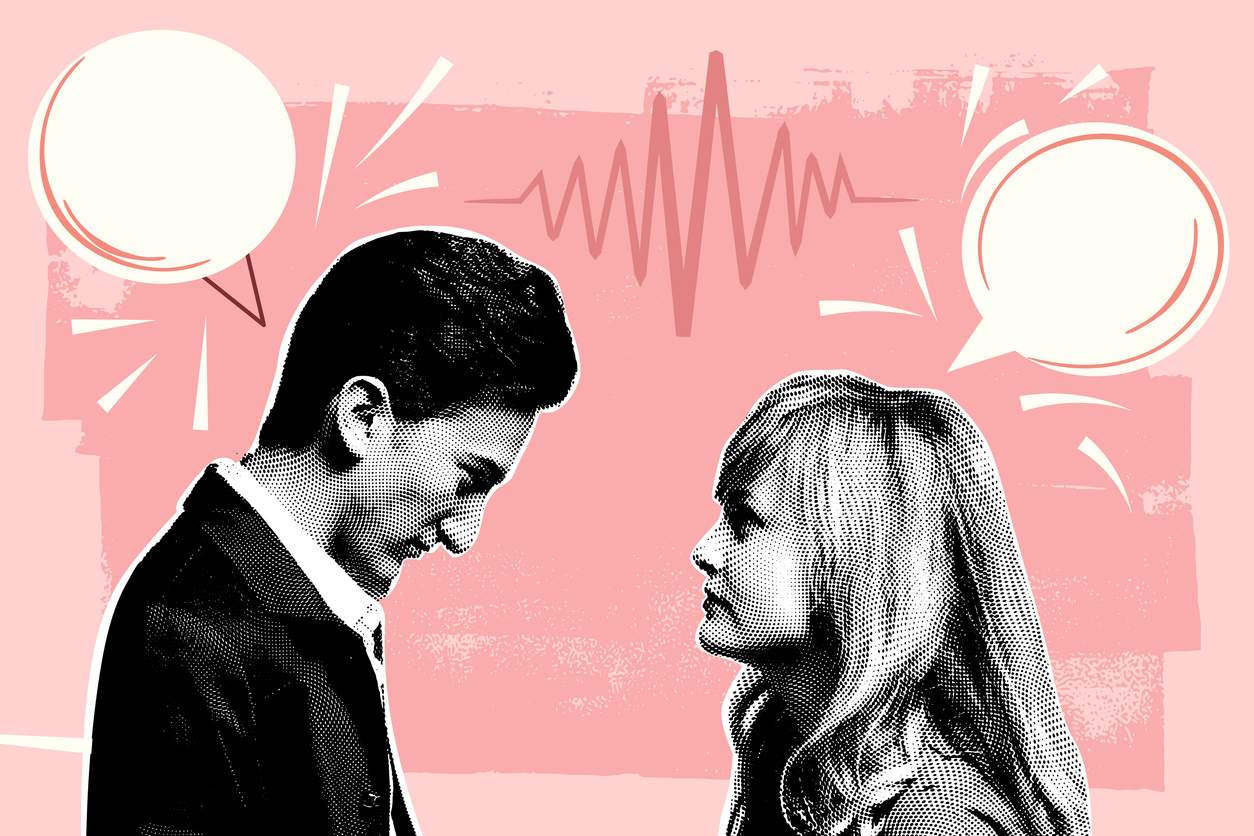
Your best line has already formed… just not when it mattered. You’re right in the middle of a debate. You feel there’s an answer inside you, but it just won’t come out. A half sentence, an awkward silence, and the moment slips away. Later, in calm, everything suddenly clicks. You know exactly what you should have said, and that familiar feeling hits: frustration, replaying the scene, and disbelief that you froze up.
The moment that actually doesn’t decide anything
We often imagine that the outcome of a debate depends on who can fire back the strongest reply instantly. Like speed and perfect timing are everything. But what really happens is what makes it tough: tension takes over. Our brain doesn’t think clearly but reacts instead. Emotions step forward, logic steps back.
It’s not that we don’t have the right answer; we just can’t say it in the moment.
The intensity of the debate narrows our focus, stealing away what we need most: calm, thoughtful thinking.

The secret of late answers (which is actually an advantage)
Bet you’ve been there—hours later at home, replaying the whole thing over and over. First one better line comes to mind, then another, until suddenly you realize you’ve run through at least a dozen different versions of what you should have said.
With every replay, your response gets sharper, stronger, more impactful—and you feel more certain this was what you should have said right then. You keep revisiting the conversation, tweaking your words, and getting more worked up. But here’s the hidden upside.
This process is actually practice. Your brain is learning, refining your reactions, and prepping you for next time.
Of course, getting stuck too long doesn’t help. But if you recognize: “Okay, this is what I should have said instead,” you’re already one step ahead.

The biggest myth: you have to respond perfectly right away
Somehow we’ve been taught that strong people answer fast. That silence equals defeat. But that’s not true. Often, the most mature move is to pause. To ask for time. To let things settle. That’s not weakness—it’s control. Interestingly, the more you accept that you don’t have to be perfect instantly, the less you’ll freeze up. There’s one thing we tend to forget.
When you’re stuck replaying in your head after a debate, thinking “I lost,” and running through what you should have said… chances are the other person is doing the exact same thing. Even if you think the argument is settled and you lost, trust me, their brain is busy reworking what they should have said differently. They’re rephrasing, fixing, replaying the scene. It’s not a one-sided story. You’re not the only one who “thought of better answers too late”.

The final twist: maybe it’s not what you think that matters
What if the “outcome” of the debate isn’t as important as we think? What if it’s not about who said the best line in the moment, but about what you learned from it? Instead of “I can’t believe I froze,” a new thought can emerge over time: “Interesting… next time I’ll handle it differently.” Approaching it that way next time—that’s the real win.