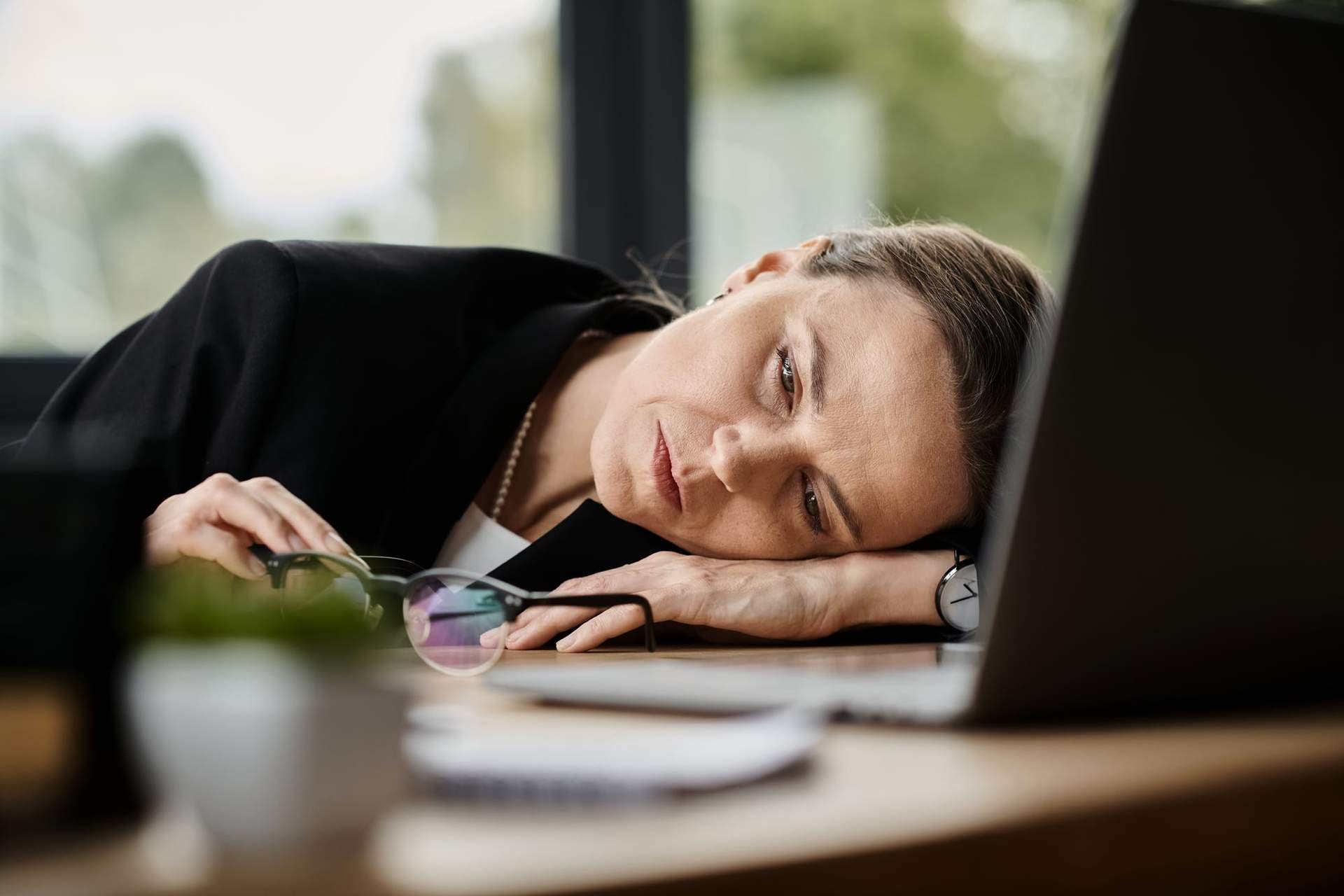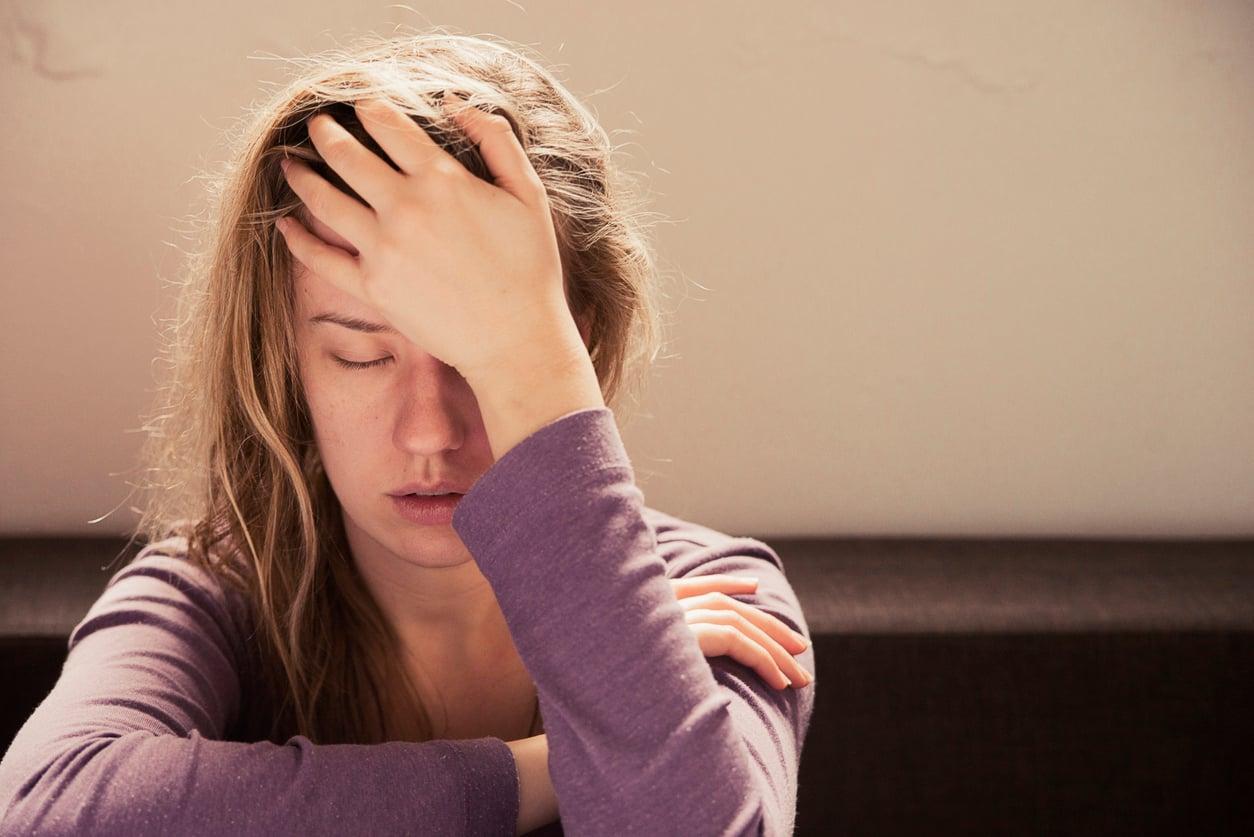
Most people know the physical signs of PMS — the bloating, the headaches, the fatigue. But the emotional side of premenstrual syndrome is just as real, and often far harder to navigate. Mood swings, sudden irritability, a creeping sense of anxiety or low self-worth: these aren't just "being emotional." Psychology has been studying this for decades, and the findings are striking.
Why PMS hits your emotions so hard
Hormonal fluctuations during the menstrual cycle don't just affect the body — they can trigger profound emotional shifts that disrupt daily life in ways that are difficult to predict or explain in the moment.
Research consistently shows that women who experience more severe PMS are significantly more likely to report reduced self-esteem and heightened anxiety in the premenstrual phase — not as a personality trait, but as a direct hormonal response.
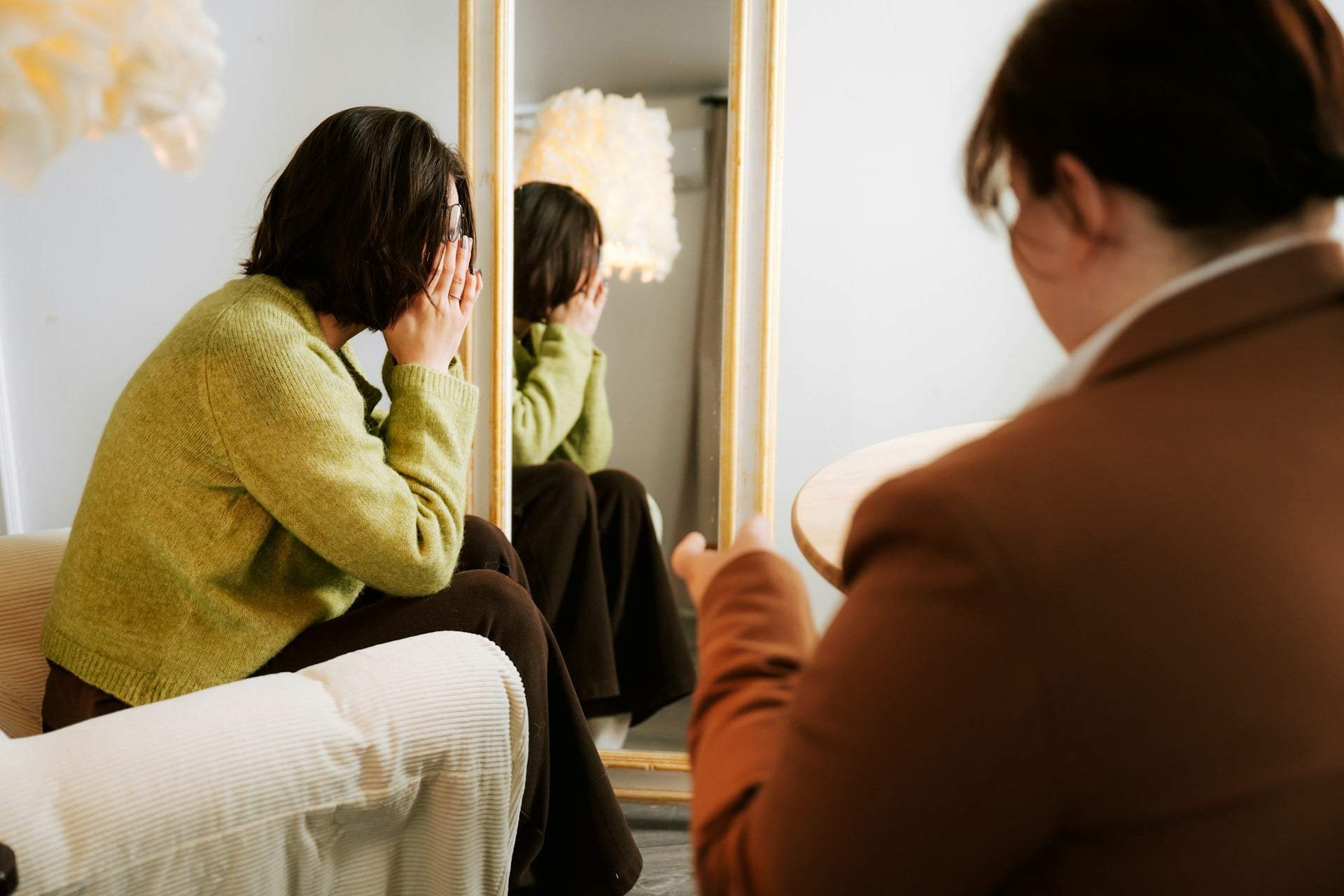
For many women, these emotional changes can feel more disorienting than the physical ones, precisely because they seem to come from within rather than from an obvious external cause.
How it affects relationships
The emotional symptoms of PMS — particularly irritability and sudden mood shifts — are among the most common sources of relationship friction during this time. Partners may struggle to understand why someone they love seems withdrawn or hypersensitive seemingly out of nowhere.
Experts emphasize that this is where empathy becomes essential. Open, non-judgmental communication — ideally before tensions peak — can make a significant difference. Understanding that these shifts are cyclical and hormonally driven, rather than personal, changes the whole dynamic.
Psychological strategies that genuinely help
Psychologists recommend several approaches for managing the emotional weight of PMS. Cognitive behavioral therapy (CBT) has shown real promise — it helps women identify and reframe negative thought patterns that tend to intensify during the premenstrual phase, while also building longer-term self-esteem.
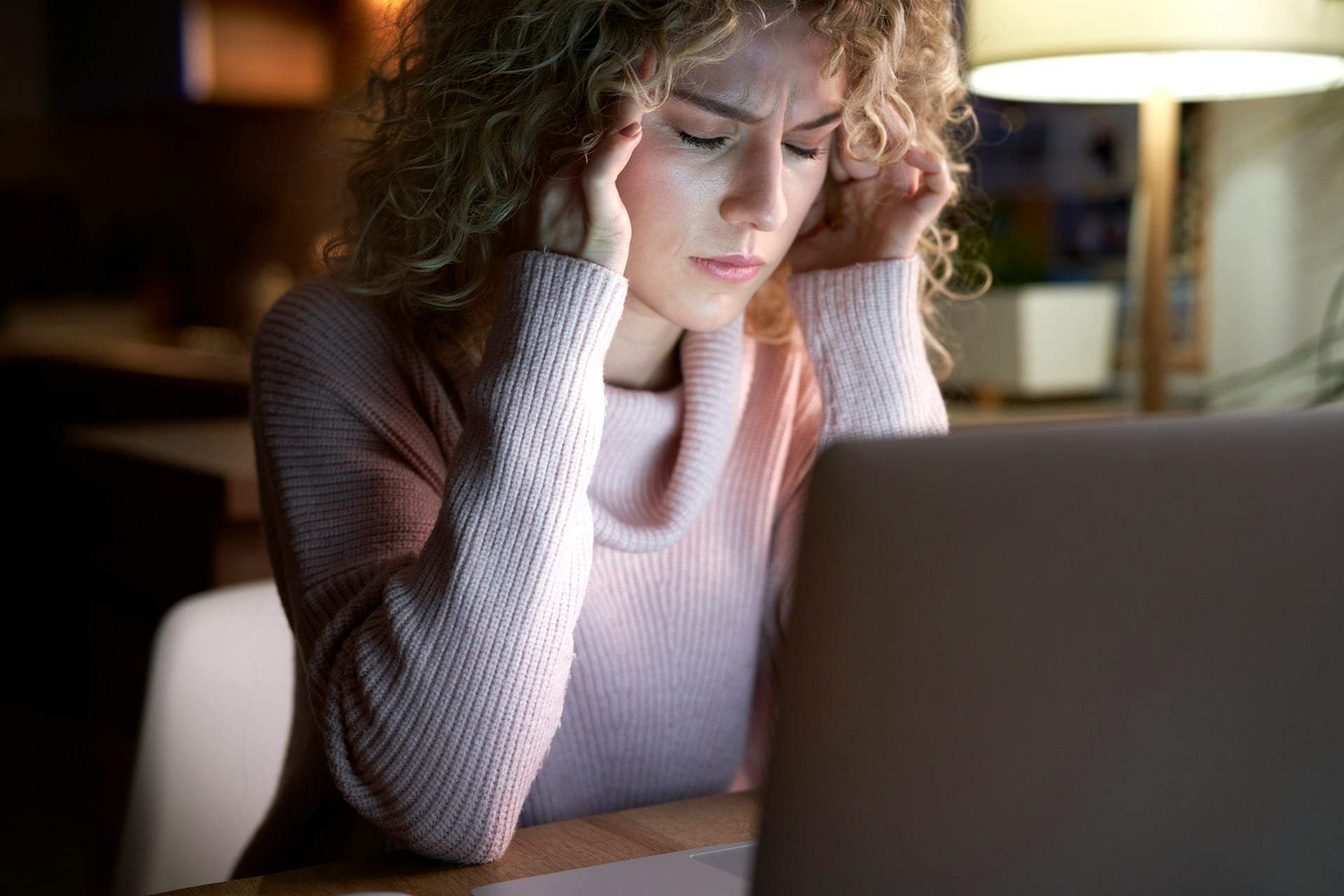
Beyond therapy, regular physical activity and relaxation practices like meditation or breathwork can meaningfully reduce stress levels and help restore emotional equilibrium. These aren't just feel-good suggestions — they have measurable effects on the hormonal and neurological processes involved.
The power of self-understanding and acceptance
One of the most underrated tools is simply knowing your own cycle. When women can anticipate emotional shifts rather than be blindsided by them, it becomes much easier to respond with self-compassion rather than self-criticism.
Recognizing personal limits during this phase — and honoring them rather than pushing through — can prevent emotional spirals. For many women, these premenstrual days, approached with awareness, become unexpected opportunities for genuine self-reflection and personal growth.
Why community and support matter more than you think
Social support plays a powerful role in emotional wellbeing during the premenstrual phase. Supportive friends, partners, and family members who respond with empathy rather than frustration can significantly ease the emotional burden.
There's also something quietly healing about connecting with other women who've been through the same experience. Shared stories normalize what so many go through alone — and that sense of being understood is, in itself, a form of relief.
PMS is not just a physical inconvenience. It carries real emotional weight — and it deserves to be taken seriously. The more openly we talk about it, the better equipped women, and the people around them, become at navigating it with grace rather than shame.