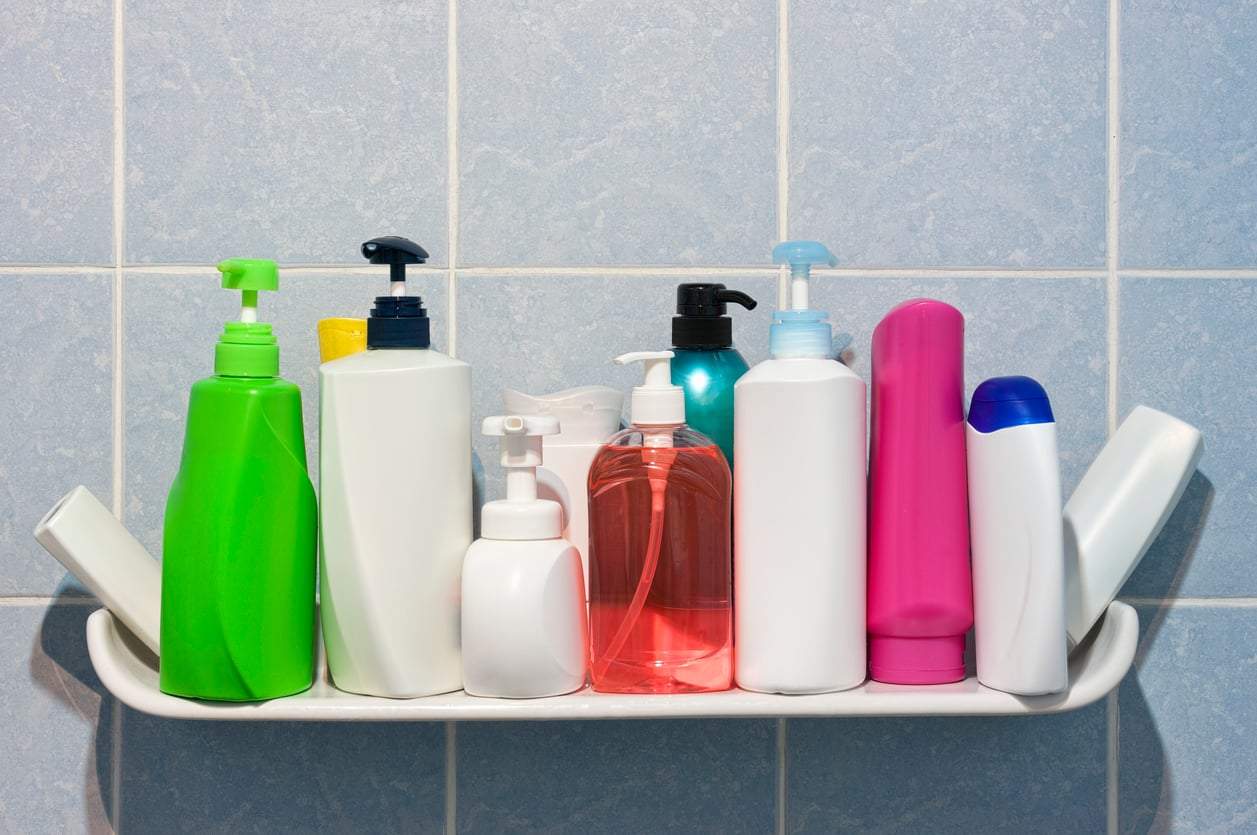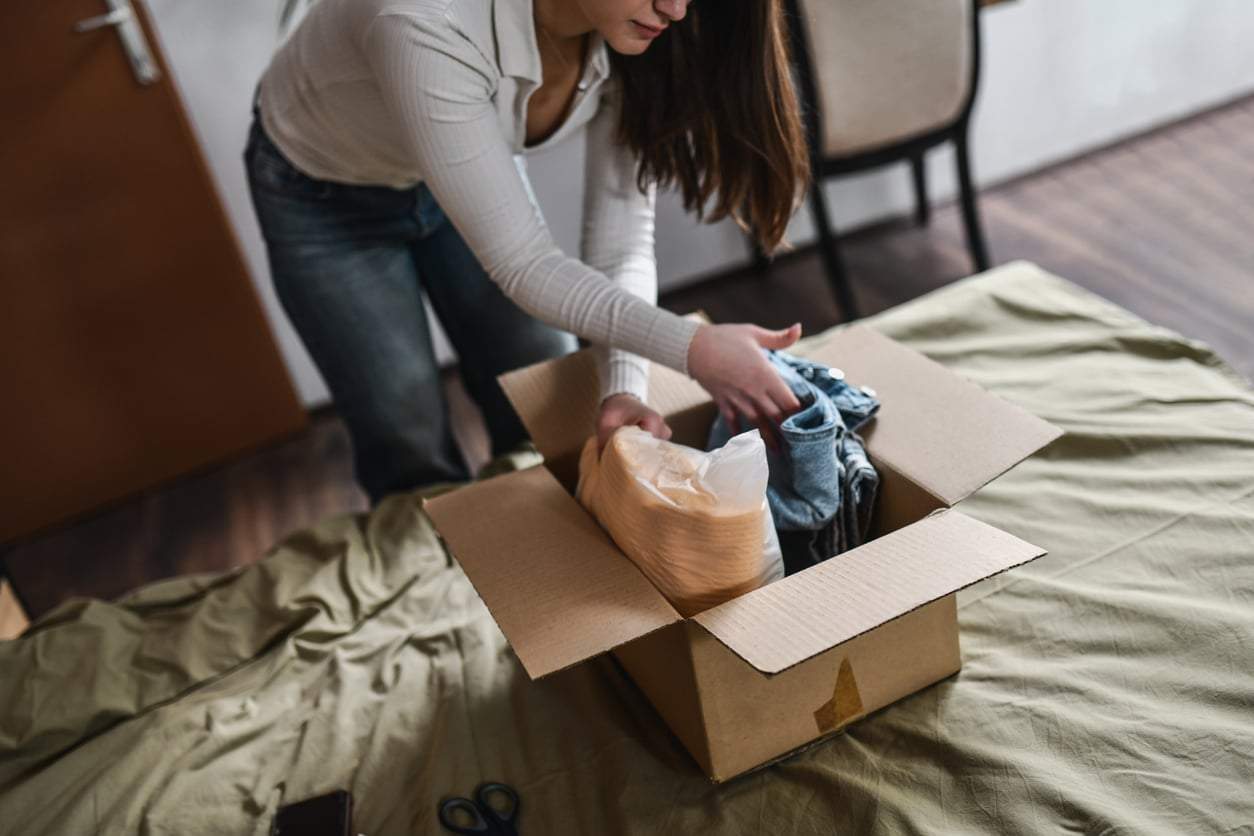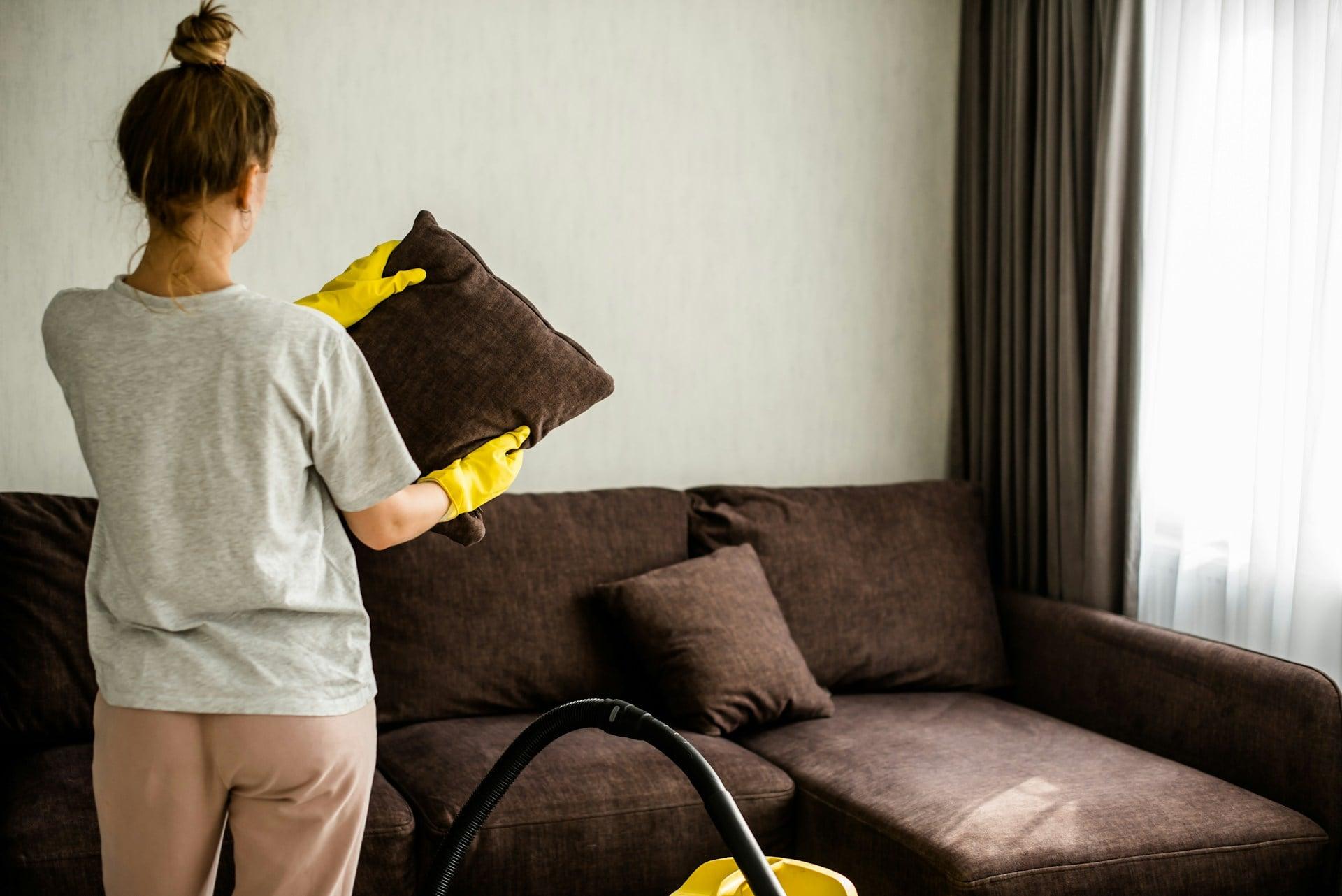
You hang up the phone, and your hand is already reaching for the mop. A breakup, a layoff, a bad diagnosis, a fight — whatever just happened, you don't collapse helplessly into bed. Instead, you're emptying the kitchen cupboard to line up the spices in alphabetical order.
This isn't hysteria, and it isn't a quirk. It's one of your nervous system's oldest survival tricks — it just happens to show up in the shape of a vacuum cleaner.
When the world feels out of control, the shelf can still be sorted
One of the foundational ideas in stress research is that our body doesn't react most strongly to the difficult event itself. It reacts to the feeling that we have no say in what's happening to us.
Unpredictability and the sense of losing control are what trigger the sharpest spikes in cortisol — often far more than the specific hardship does.
When we can't fix one thing, the brain instantly hunts for an area where we can. Tidying up is exactly that: immediate, visible, and completely in our own hands.
The link between cortisol and an ordered space
Physiologically, the repetitive, goal-directed movements of cleaning — wiping, sorting, vacuuming — can have a soothing effect similar to other rhythmic activities. The motion gives an outlet to a body revved up by stress hormones.
Meanwhile, the visual payoff — a room that's actually been put back together — gives the brain instant feedback that we accomplished something. That small win can ease the tension that comes with anxiety, even when the real problem, the divorce papers or the bad news, hasn't changed at all.
We're not really cleaning the house. We're trying to restore the feeling that we still have some influence over our own lives.
Order as a false — but functional — sense of safety
Environmental psychologists have long studied how the state of our physical space affects our mental wellbeing. A messy, chaotic home can visually reinforce the feeling that life is unmanageable, while a clean, ordered room quietly tells the brain that everything is in its place.
That message is, of course, partly an illusion. Reorganizing a closet won't solve the crisis that made you start cleaning in the first place. But for the brain, a sense of safety isn't always logical — it's associative: if my surroundings are in order, then maybe I'll be okay too.
Why small, tangible tasks are the ones that calm us
Unlike big, abstract problems we can't solve right away, a sink full of dirty dishes or a pile of scattered clothes can be gone within the hour. That kind of immediate, tangible success counterbalances the helplessness a crisis stirs up.
Someone in the middle of a hard chapter might go days or weeks without seeing any progress — but tidying the apartment produces concrete, visible results in just a few hours. That contrast is exactly why we instinctively turn toward our physical surroundings instead of sitting motionless under the weight of the problem.
When cleaning becomes an escape
It's worth drawing a line between soothing tidying and procrastination. If someone spends days avoiding a hard conversation or a decision by endlessly scrubbing the house, that's no longer a coping strategy — it's avoidance.
The difference between the two is often just this: in the healthy version, you return to the problem once the cleaning is done. In the other, the tidying itself becomes a substitute for the problem. The nervous system's trick works in our favor when it offers temporary relief — not a permanent hiding place.
So the next time suddenly emptying every cupboard feels like a matter of life and death after bad news, know that you're not being strange. Your brain is simply doing what it has done best for thousands of years: finding one spot where it can feel, once again, that it's steering its own fate — even if that spot is just a perfectly arranged drawer.
Why do I feel the urge to clean after something upsetting happens?
Because your brain is searching for a sense of control. When a crisis feels unmanageable, tidying offers an immediate, visible result that's entirely in your hands — which eases the tension that comes with stress.
Does cleaning actually reduce stress?
It can. The repetitive, rhythmic movements give your revved-up body an outlet, and the visible progress delivers a small win that lowers anxiety — even though the underlying problem hasn't changed.
When does stress cleaning become a problem?
When it turns into avoidance. If you keep cleaning to dodge a hard conversation or decision instead of eventually returning to the real issue, the tidying has become a substitute for the problem rather than temporary relief.
Why do small tasks feel more calming than tackling the big issue?
Because big, abstract problems can't be solved quickly, while a messy room can be sorted within an hour. That tangible, instant success counterbalances the helplessness a crisis creates.