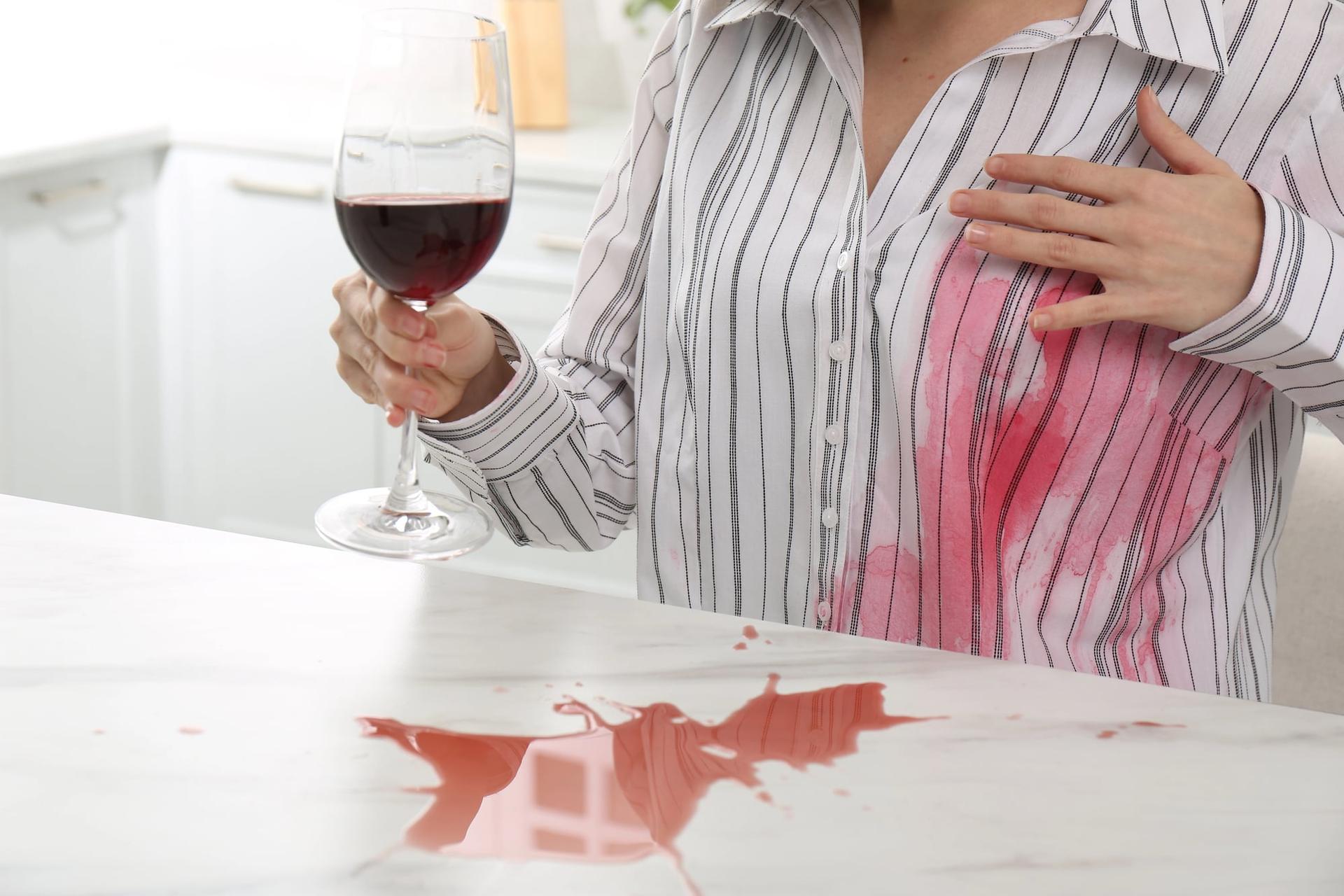
One moment you're enjoying a relaxed dinner or a cozy evening with friends — and the next, a glass of red wine is spreading across the tablecloth, your favorite shirt, or the sofa cushion. That deep crimson stain can feel like a disaster. But here's the good news: with the right moves in the first few minutes, most red wine stains can be completely removed — no expensive products required.
Whether it's a cotton blouse, a wool rug, or a linen couch, the method matters. Here's exactly what to do, step by step.
Why red wine stains are so stubborn
Red wine contains intense pigments and natural acids that bond quickly with fabric fibers. The longer the stain sits, the deeper it sets — and the harder it becomes to lift.
The golden rule: act immediately. Even a two-minute head start makes a real difference.
What to do in the first 5 minutes
The moment the wine spills:
- Blot up as much liquid as possible with a white paper towel or a clean, light-colored cloth.
- Do not rub. Rubbing pushes the wine deeper into the fibers.
- Rinse or dilute with cold water — never hot.
- Hot water can permanently set the color into the fabric.
Many people swear by sparkling water for this first step, but plain cold water works just as well if that's all you have on hand.
How to remove red wine from clothes and tablecloths
For cotton, polyester, and other washable fabrics
Most everyday textiles respond well to home treatment. Always check the care label first to make sure the fabric can handle the ingredients you're using.
1. Cold water rinse
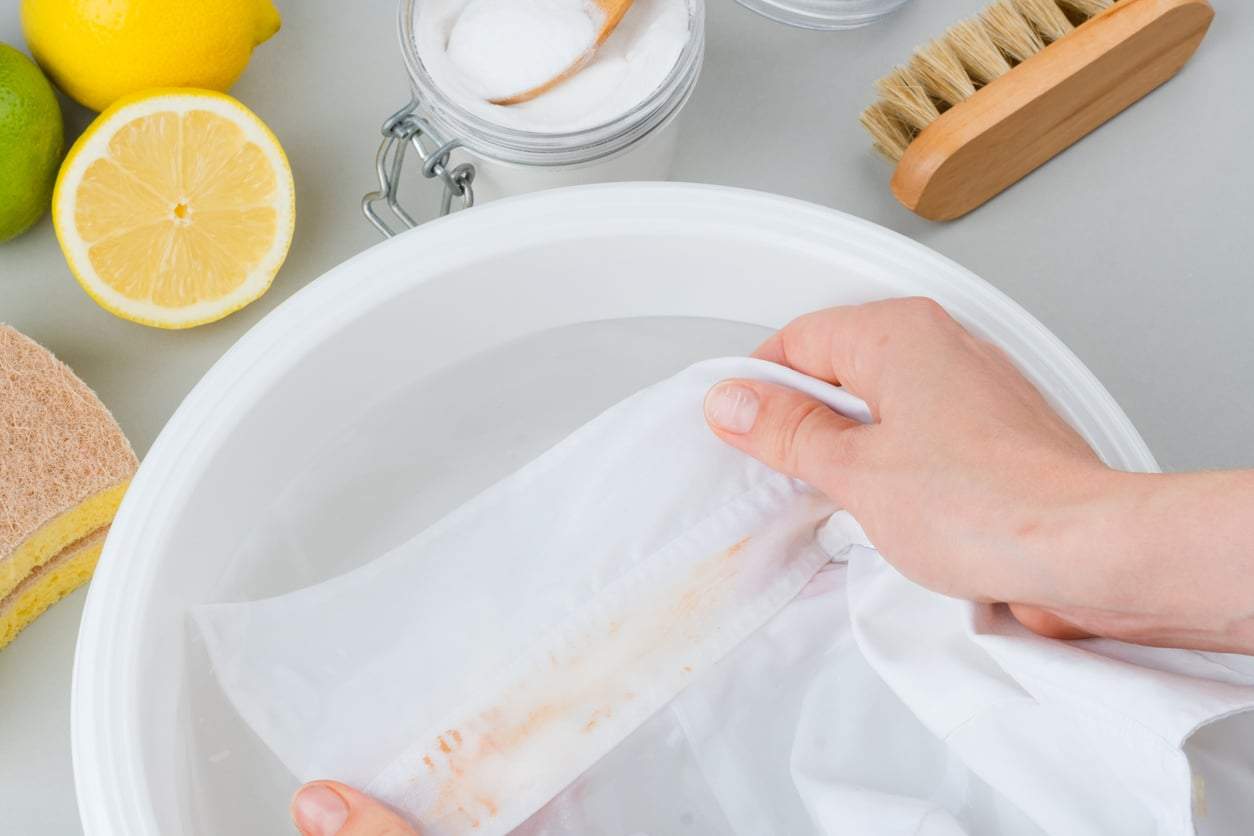
Hold the stained area under cold running water, or soak it in cold water for a few minutes. This dilutes the wine before it has a chance to set.
2. White vinegar treatment
White vinegar's natural acidity helps break down the wine's pigments without damaging most fabrics.
Soak the stain with distilled white vinegar and let it sit for about an hour before rinsing.
3. Wash with an enzyme-based detergent
Launder the item according to its care instructions, using an enzyme-based laundry detergent if possible — these are especially effective at breaking down organic stains like wine.
Important: Before putting the item in the dryer, check that the stain is completely gone. Heat from the dryer can permanently lock in any remaining discoloration.
For stubborn stains: baking soda and oxygen bleach
If the stain is still visible after washing, it's time to bring in a little more firepower.
Oxygen bleach soak
Mix an oxygen-based bleach (like OxiClean) with warm water, then:
- Soak the fabric for at least 6 to 8 hours.
- Wash again as normal.
This method works especially well on light-colored fabrics and is safe for most washable materials.
Baking soda paste
Mix a thick paste using:
- 3 parts baking soda
- 1 part water
Apply it directly to the stain, let it dry completely, then vacuum or brush it off. The baking soda draws out the remaining pigment as it dries.
Delicate fabrics need a different approach
Silk, wool, and velvet — don't experiment
Sensitive fabrics can be easily damaged by aggressive home treatments. If the stained item is made from silk, wool, velvet, or another delicate material:
- Gently blot up the wine — nothing more.
- Do not soak or saturate the fabric.
- Avoid vinegar, hydrogen peroxide, or strong detergents.
- Take it to a professional dry cleaner as soon as possible.
Overly aggressive home cleaning can cause more damage than the stain itself. When in doubt, leave it to the professionals.
Red wine on the sofa or carpet? Here's how to save it
With upholstery and rugs, speed is even more critical — the liquid soaks deeper and faster than with clothing. The same basic principles apply, but the technique is slightly different.
Salt for fresh stains
Salt is one of the best natural absorbents you can use immediately after a spill.
Here's what to do:
- Blot up as much wine as possible first.
- Pour a generous layer of table salt over the stain.
- Leave it for at least 5 to 10 minutes.
- Vacuum it up.
- Spritz lightly with cold water and blot again.
Vinegar and dish soap combination
For more stubborn stains on carpet or upholstery, try this simple mixture:
- ½ cup white vinegar
- 1 teaspoon mild dish soap
Spray it onto the stain and gently blot with a microfiber cloth — always blotting, never rubbing. Then sprinkle baking soda over the area, let it sit for 15 to 30 minutes, and vacuum thoroughly.
The most common mistakes that make things worse
- Rubbing the stain — This spreads the wine and drives it deeper into the fibers.
- Using hot water — Heat helps the stain bond to the fabric permanently.
- Waiting too long — A dried red wine stain is significantly harder to remove than a fresh one.
- Putting it straight in the dryer — Always check that the stain is fully gone before applying heat.
Natural ingredients that actually work
Chances are you already have everything you need in your kitchen or bathroom cabinet. The most effective natural stain-fighters for red wine are:
- White vinegar
- Baking soda
- Table salt
- Hydrogen peroxide (use carefully on light fabrics only)
- Cold water
Used in the right combination and at the right time, these everyday ingredients can be surprisingly powerful — especially on fresh stains.
Patience pays off
Removing red wine isn't always a one-shot fix. You may need to repeat the process once or twice before the fabric looks completely clean. That's normal — don't give up after the first attempt.
The reassuring truth is that most red wine stains can be fully removed with the right approach. Next time a glass tips over, you'll know exactly what to do — just stay calm, act fast, and work smart.