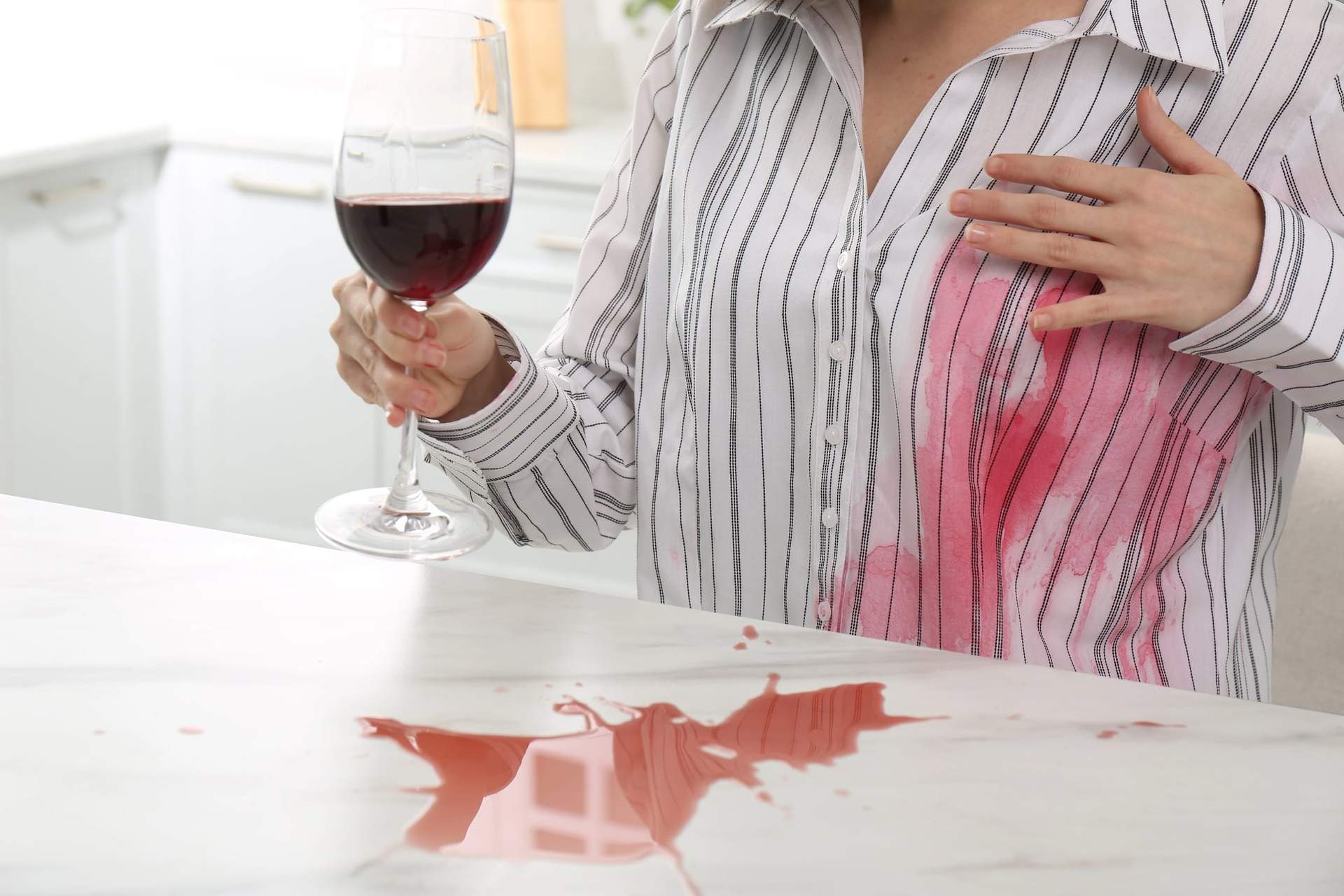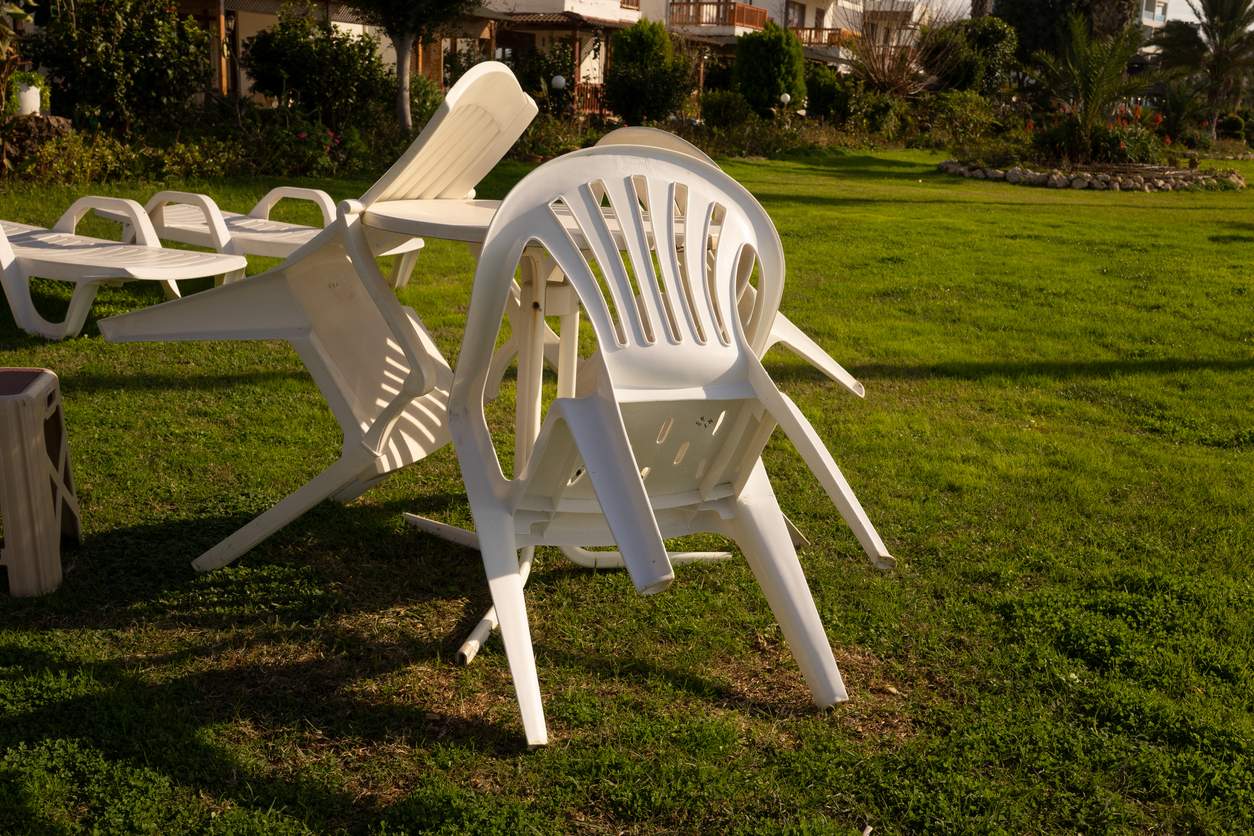
Light upholstered dining chairs can make a room look effortlessly elegant — right up until the moment a splash of red wine or a rogue coffee drip lands on the fabric. The good news? Even old, set-in stains don't have to be permanent. With a few simple household ingredients and the right technique, you can get those chairs looking fresh again without spending a fortune on professional products.
These tried-and-tested methods are gentle on fabric, easy to follow, and effective on most common stains — from grease and coffee to ink and wine.
Before you start: always check the label
Not all upholstery can handle the same cleaning methods. Before reaching for any solution, check the care label on your chair or the manufacturer's cleaning guide.
Most upholstered furniture carries a cleaning code that tells you exactly what's safe to use:
W means water-based cleaning is safe. S means solvent-only. WS allows both. And X means vacuuming only — no liquids at all.
If there's no label, always test your chosen method on a hidden area of the fabric first. And if the chair is marked dry clean only, it's best to leave it to a professional.
What you'll need
For most stain removal jobs, you won't need anything beyond basic household supplies:
- Microfibre cloths
- A soft-bristle toothbrush or small scrubbing brush
- Dish soap
- A spray bottle
- White vinegar
- Baking soda
- Hydrogen peroxide
- A commercial stain remover spray
- Isopropyl (rubbing) alcohol
The simplest fix: dish soap
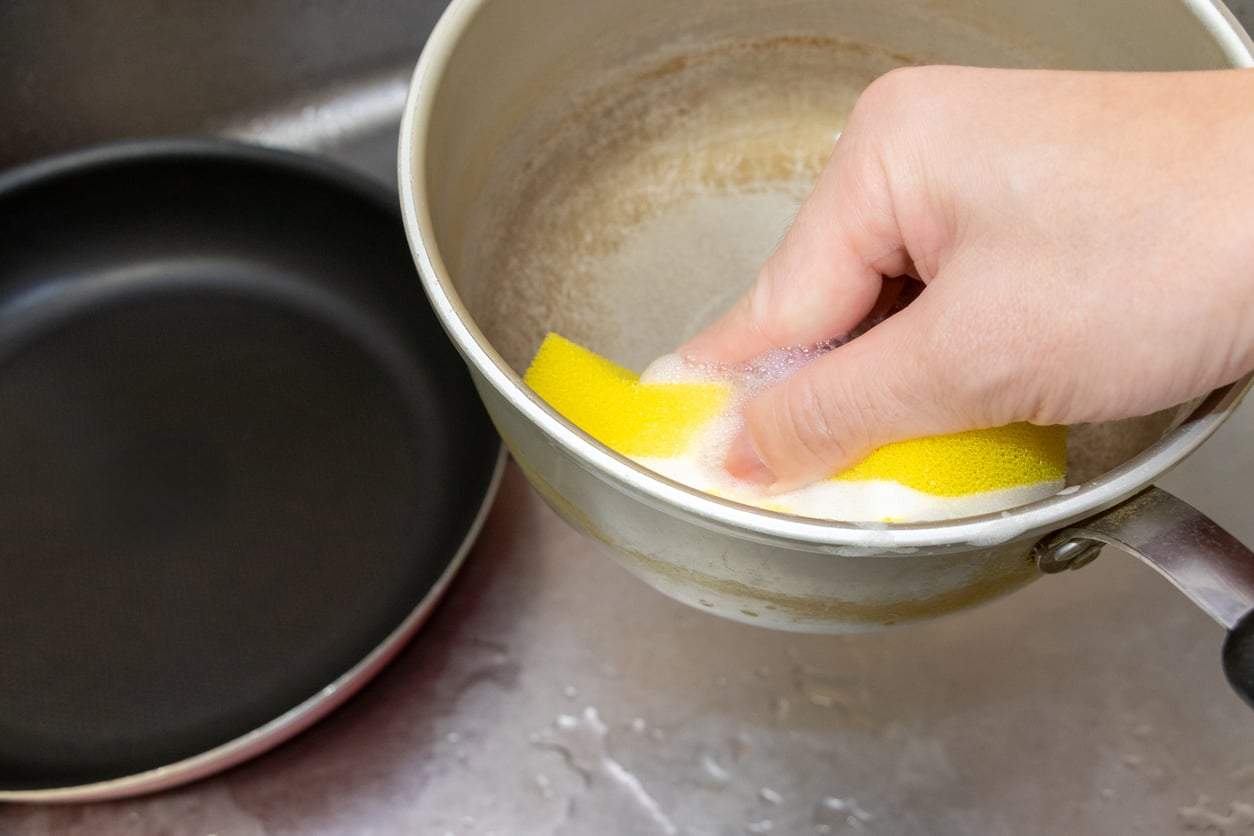
Before reaching for anything stronger, try dish soap — it's surprisingly effective on many common stains, including food residue and light grease.
How to do it:
- Lightly dampen the stained area.
- Apply a small amount of dish soap directly to the stain.
- Gently work it into the fabric using a soft toothbrush.
- Leave it to sit for a few minutes.
- Wipe the area with a clean, damp cloth.
- Blot dry with a dry cloth.
Important: Don't over-saturate the fabric. Too much water can distort the padding inside the cushion and leave watermarks on the surface.
Vinegar and dish soap: a powerful DIY duo
If dish soap alone doesn't cut it, white vinegar is your next best friend. It naturally breaks down stains and neutralises odours at the same time — making it ideal for food and drink spills.
The recipe:
- 250 ml water
- 50 ml white vinegar
- A few drops of dish soap
Mix everything in a spray bottle, shake well, and spritz directly onto the stain. Let it sit for a few minutes, then gently scrub with a soft brush and blot dry.
Always patch-test first — especially on coloured or delicate fabrics, as vinegar can occasionally affect dye.
For white or cream chairs: hydrogen peroxide
Old discolouration on light-coloured upholstery can be particularly stubborn. Hydrogen peroxide works well on set-in stains like wine, coffee, or even blood — gently lightening the mark without harsh scrubbing.
A word of caution: hydrogen peroxide has a mild bleaching effect, so it should only be used on white or off-white fabrics. On darker upholstery, it may cause fading.
How to use it:
- Dampen a clean cloth with hydrogen peroxide.
- Gently blot the stain — don't rub.
- Follow up with a clean, damp cloth to rinse the area.
- Blot dry with a dry cloth.
Grease and oil stains: call in the baking soda
Grease stains are sneaky — they sink deep into fabric fibres and seem to disappear at first, only to show up more clearly later. The trick is to draw the oil out before you try to clean it.
- Cover the stain generously with baking soda (or cornstarch).
- Leave it for at least 30 minutes to absorb the grease.
- Vacuum it up, then follow with the dish soap method above.
Ink and marker stains: you'll need a solvent
Ink is one of the most stubborn stains you'll encounter on upholstery. In most cases, rubbing alcohol is the most effective solution.
Dab a small amount onto a cotton pad and gently blot the stain — don't rub, as this can spread the ink. Always test on a hidden area first, as alcohol can affect some fabric finishes.
If the chair is valuable or the fabric is particularly delicate, professional upholstery cleaning is the safest option for ink stains.
When to call a professional
Most stains can be handled at home, but some situations really do call for expert help:
- Mould or mildew growth
- Silk or velvet upholstery
- Antique or heirloom furniture
- Large areas of discolouration
- Stains caused by harsh chemicals
Professional upholstery cleaning reaches deeper into the fabric and can also eliminate persistent odours that home methods can't fully shift.
How to keep your chairs cleaner for longer
A few simple habits can save you a lot of cleaning effort down the line:
- Use washable chair covers, especially for everyday dining
- Wipe down light-coloured surfaces after meals
- Apply a fabric protection spray to repel future spills
- Blot fresh spills immediately — the faster you act, the easier the stain is to remove
The golden rule: speed is everything. A stain treated within minutes is far easier to remove than one that's had hours — or days — to set.
You don't have to give up on light-coloured furniture
Many people avoid white or beige dining chairs simply because they fear the mess. But with the right approach, light upholstery can stay beautiful for years. Even old coffee and wine stains can be tackled effectively at home — and your favourite chairs can look almost brand new again with a little patience and the right technique.