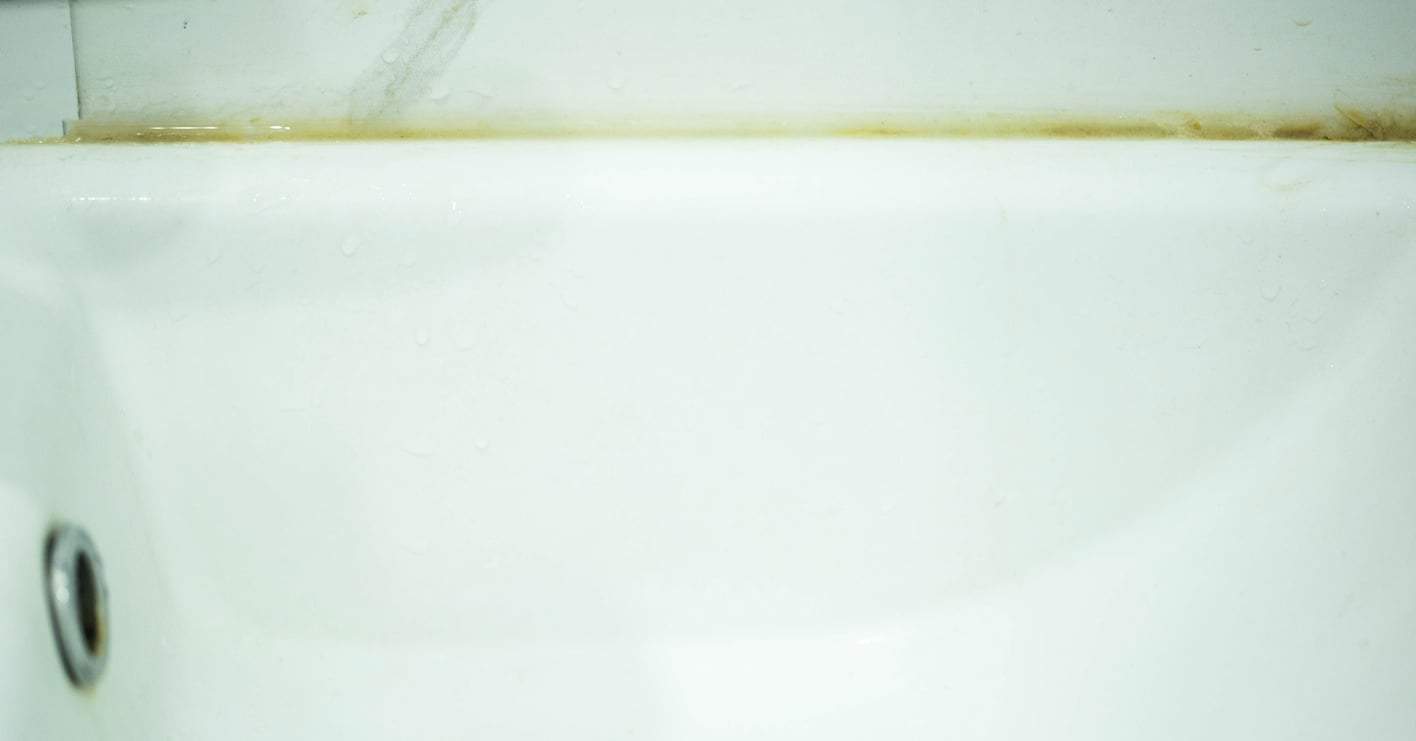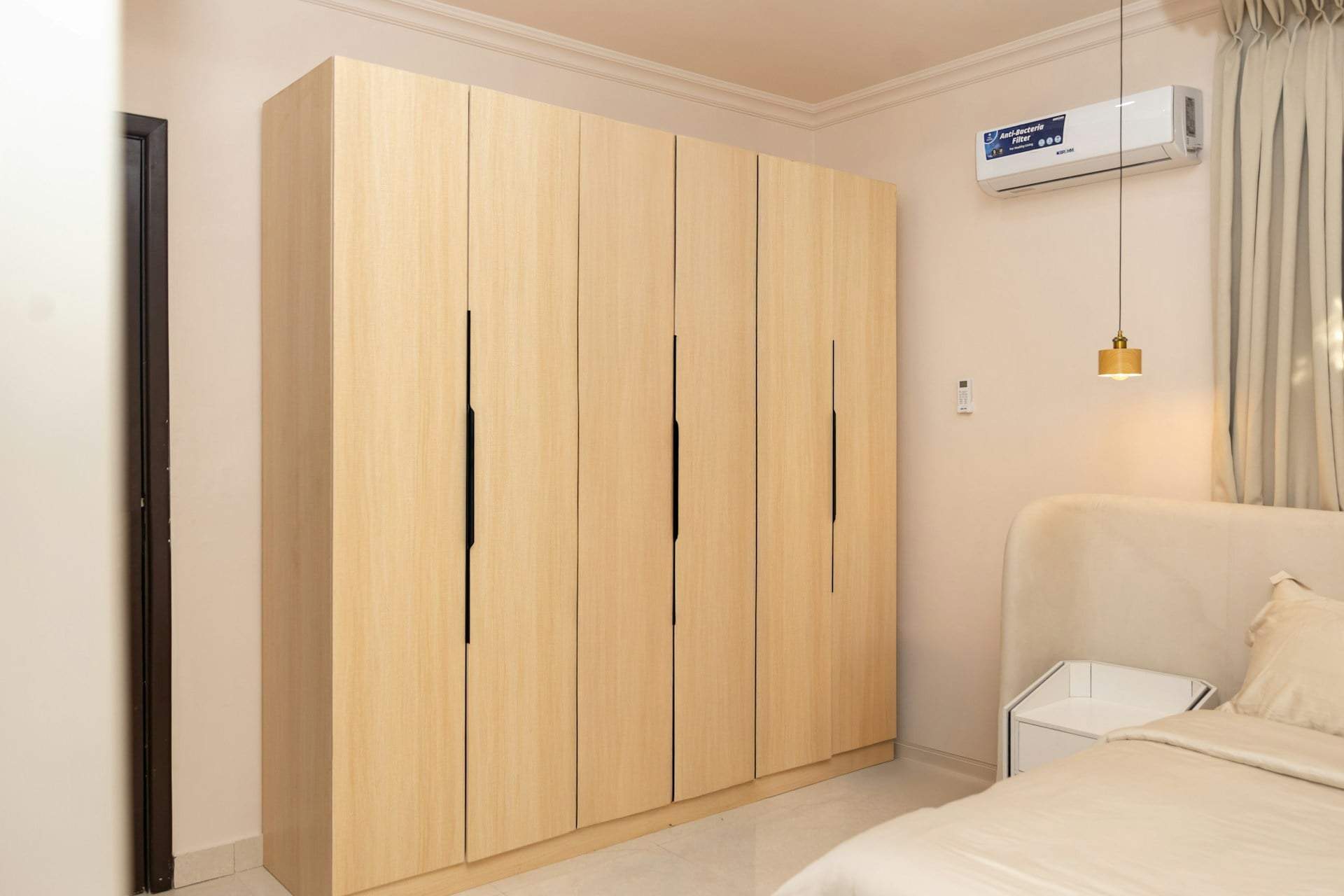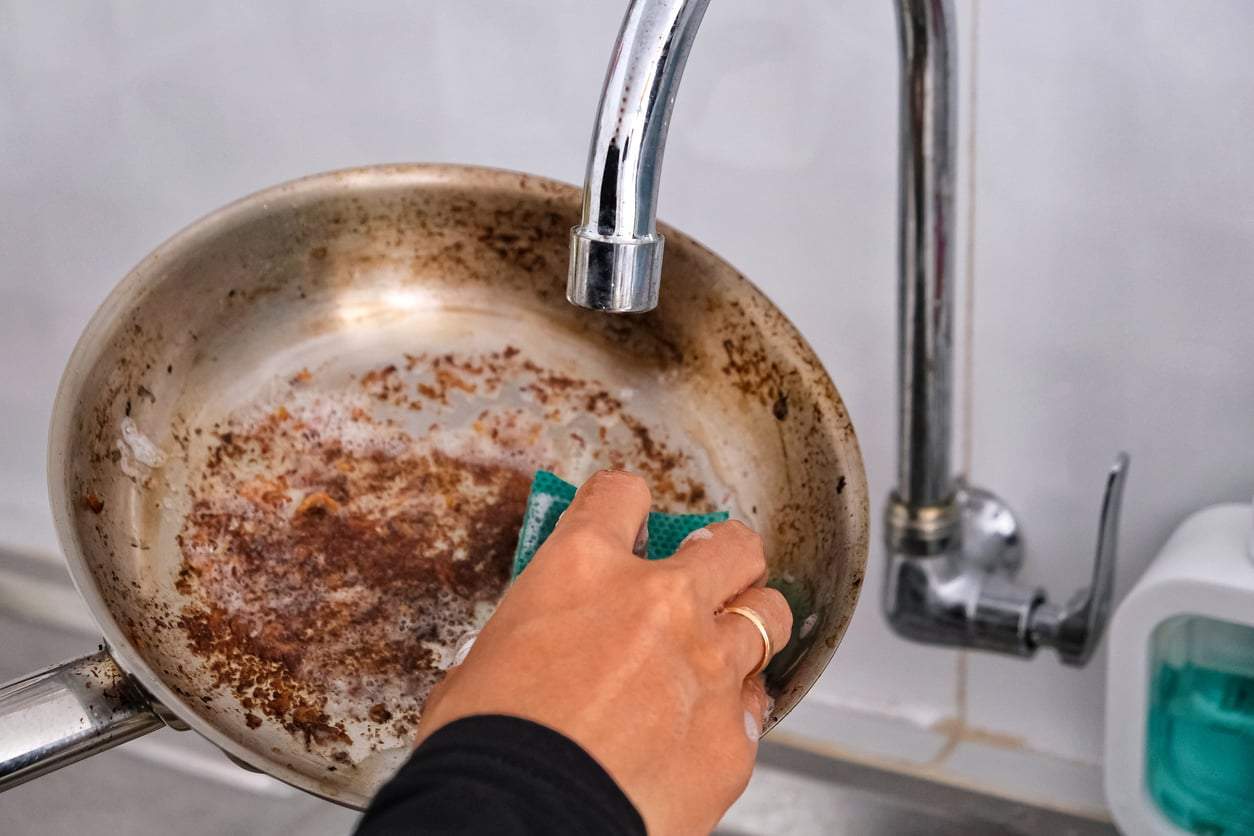
That sticky, grayish layer sitting on top of your kitchen cabinets isn't just dust — it's a mix of cooking oil mist, steam, and airborne grease that builds up month after month. The good news? You don't need an expensive degreaser spray to remove it. One tablespoon of baking soda and a few minutes is all it takes.
Why grease sticks so stubbornly up there
Every time you cook, tiny oil droplets rise with the steam and settle on every horizontal surface above the stove — including the tops of your cabinets. On their own, those droplets would be easy to wipe away. The problem is that kitchen dust lands right on top of the greasy film and gets baked in over time, forming a tough, tacky crust that gets harder to shift the longer you leave it.
The sooner you tackle it, the less effort it takes. Once it hardens, it really does bond to the surface.
What you'll need
- A little warm water
- 1 tablespoon of baking soda
- A soft microfiber cloth or sponge
- A few drops of dish soap (optional, for heavy buildup)
Everything on that list is probably already in your kitchen. Baking soda works so well here because its mild alkaline chemistry breaks down solidified grease without damaging the cabinet surface underneath.
Step-by-step: from grimy to clean
Start by mixing baking soda with just enough warm water to form a thick, yogurt-like paste. If the grease layer is especially stubborn, add two or three drops of dish soap — it gives the mixture an extra degreasing boost.
Spread the paste in a thin, even layer over the greasy surface and let it sit for five to ten minutes. During that time, the baking soda granules loosen the buildup while the alkaline action works on dissolving the grease itself.
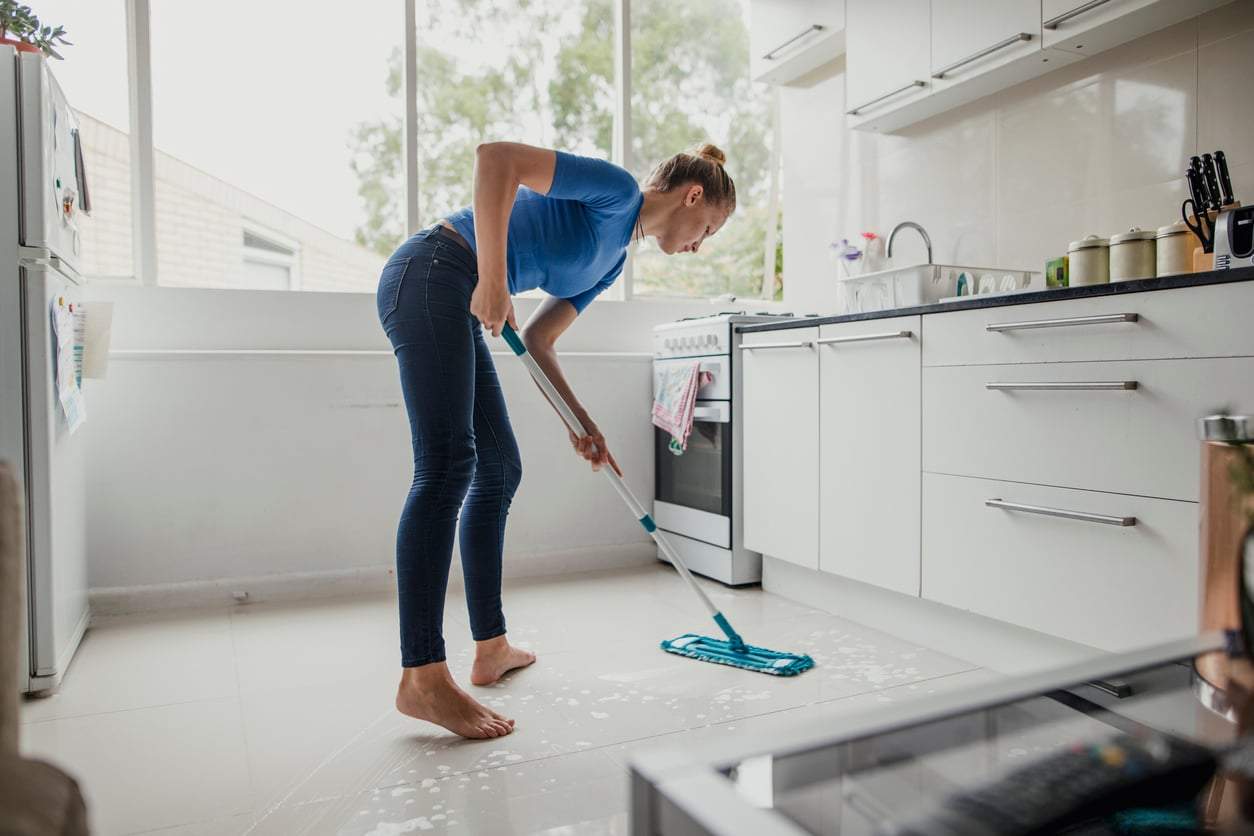
Then, using a damp sponge or microfiber cloth, wipe the surface in gentle circular motions. You'll be surprised how little pressure you actually need — the paste does most of the heavy lifting. Finish by wiping everything down with a clean, damp cloth to remove any white residue, then buff dry with a dry cloth for a streak-free result.
Why this works better than store-bought degreasers
Many commercial degreasers smell strong, and while they're quick on fresh grease, they often just slide right over older, hardened buildup. Baking soda paste works differently — it combines mild physical abrasion with chemical action at the same time. The fine granules gently scrub while the alkaline pH breaks down the molecular structure of the grease.
It's also completely odorless and leaves no chemical residue on a surface you'll be touching and cooking near every day. That alone makes it worth choosing over harsh sprays.
Tips to keep the results lasting longer
- If your cabinet tops are lacquered or varnished wood, don't leave the paste on for more than ten minutes — it can dull the finish if left too long.
- A quick wipe-down once a month takes a fraction of the effort compared to tackling a year's worth of hardened grease in one go.
- Consider lining the top of your cabinets with a sheet of kitchen paper or removable plastic liner — when it gets dirty, just swap it out instead of scrubbing.
What to avoid
Don't use coarse abrasive powders on high-gloss or foil-wrapped cabinet surfaces — they'll leave fine scratches that are hard to reverse. Strong bleach-based cleaners are also worth avoiding, as they can discolor wood and laminate finishes over time. Baking soda is gentle enough for almost every kitchen surface, which is exactly what makes it the smarter choice here.
Does baking soda really remove hardened grease?
Yes. Baking soda's mild alkaline properties break down the molecular structure of solidified cooking grease, while the fine granules provide light physical scrubbing. Together, these two actions make it more effective on old, baked-on buildup than many liquid degreasers.
Can I use this method on all cabinet surfaces?
It's safe for most kitchen cabinet materials, including painted wood, laminate, and melamine. If your cabinets have a lacquered or high-gloss varnished finish, limit the contact time to no more than ten minutes to avoid dulling the surface.
How often should I clean the tops of my kitchen cabinets?
A light wipe-down once a month is all it takes to prevent serious buildup. Leaving it for longer — say, once a year — means the grease has time to harden significantly, which makes cleaning much harder and more time-consuming.
Is dish soap necessary, or is baking soda enough?
Baking soda alone handles most grease buildup well. Adding a few drops of dish soap is only recommended for particularly stubborn or thick layers, as it boosts the degreasing effect of the paste.