The animal kingdom has always fascinated us, especially species with unique talents. These superpowers aren’t just incredible—they’ve inspired extensive scientific research. Let’s explore some animals whose abilities could easily belong to top superheroes!
Glowing Cephalopods: Masters of Bioluminescence
Cephalopods like squids and octopuses have a special gift: they’re masters of bioluminescence. This means they can emit their own light, using it to defend against deep-sea predators or lure prey. Scientists believe this ability stems from complex biochemical processes that are still being unraveled—but it’s a brilliant natural light show!
Water-Activated Electricity: The Electric Eel’s Shock
Electric eels defend themselves and catch prey with powerful shocks. Using special cells called electrocytes, they generate electric pulses. Research shows they can deliver shocks up to 600 volts, far stronger than household electricity. Talk about a natural stun gun!
Chilling Survival Trick: Leopard Geckos Drop Their Tails
Leopard geckos have a unique escape tactic: they can shed their tails. This helps them shake off predators while the detached tail distracts the attacker. It’s a smart survival move, especially since their tails store energy they can use later when food is scarce.
Master of Renewal: Starfish Regeneration
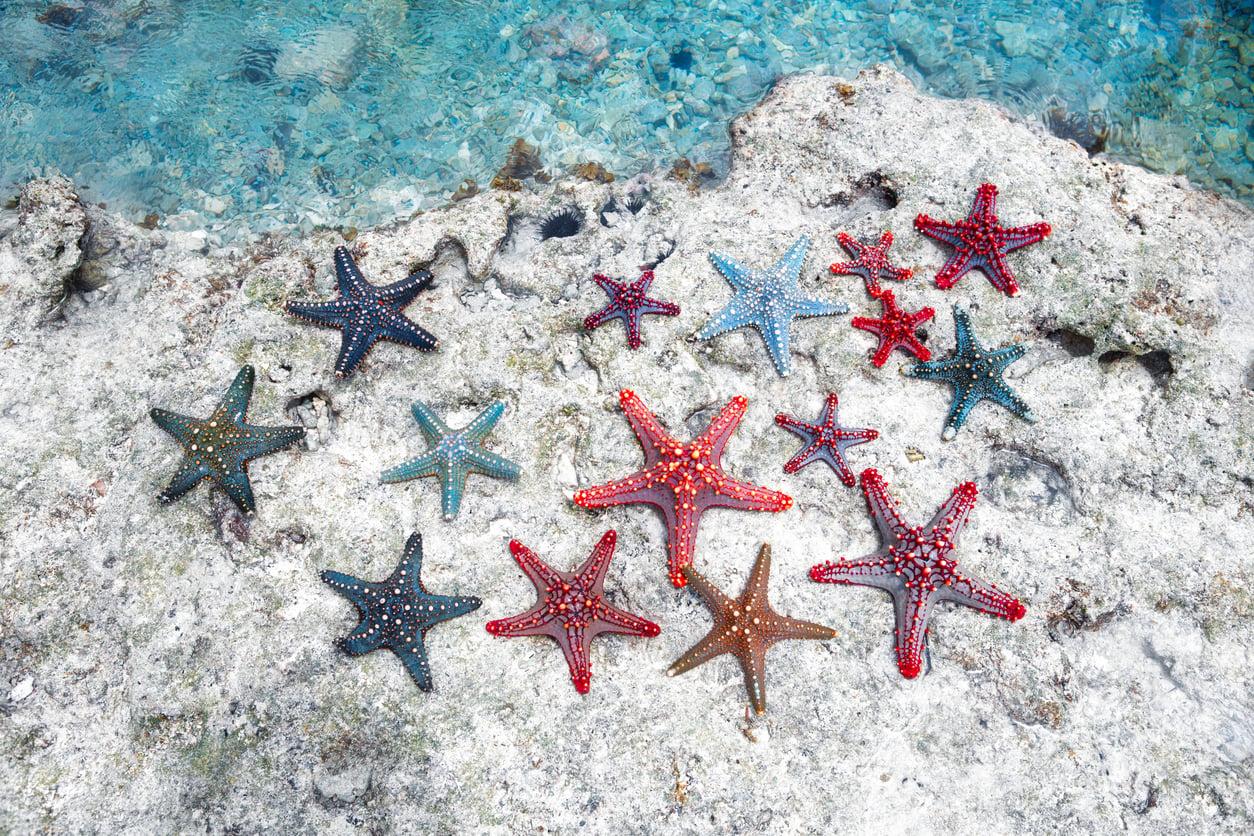
Starfish have an awe-inspiring talent: regeneration. If a starfish loses an arm, a new one grows back. This extreme ability shows life’s incredible adaptability and reminds us there’s always a chance to start fresh. Scientists are eager to unlock the genetic and molecular secrets behind this, with promising implications for medicine.
Seeing Underwater: Manta Rays’ Special Sense
Manta rays have advanced electroreceptors that detect electric fields from creatures moving on the ocean floor. This sense helps them find hidden prey other predators miss. It also lets them avoid danger, making them skilled hunters of the deep.
The Bold Water Striders: Walking on Water
Water striders, like water spiders, can walk on the water’s surface without sinking. Their hydrophobic legs repel water, and their lightweight bodies help them balance. They’re champions of using surface tension to their advantage.
Hunting with Sharp Hearing: Bats’ Superpower
Bats use sophisticated ultrasonic echolocation to guide their hunts. By interpreting echoes from sound waves they emit, they pinpoint prey and surroundings—even in total darkness. This adaptation lets them thrive at night when most creatures are asleep.
Ruby Eyes: Goldfish’s Spatial Awareness
The ruby-eyed goldfish impresses not just with beauty but with its special spatial sense. This ability helps it navigate water, notice tiny changes, and adapt quickly. It’s a key to their survival success in ever-changing environments.
Thriving Below Freezing: The Northern Duck
Northern ducks withstand icy extremes and biting cold. They produce a natural antifreeze that keeps their bodies from freezing in harsh conditions. This natural antifreeze inspires scientists exploring cold survival strategies, from polar expeditions to new freezing technologies.