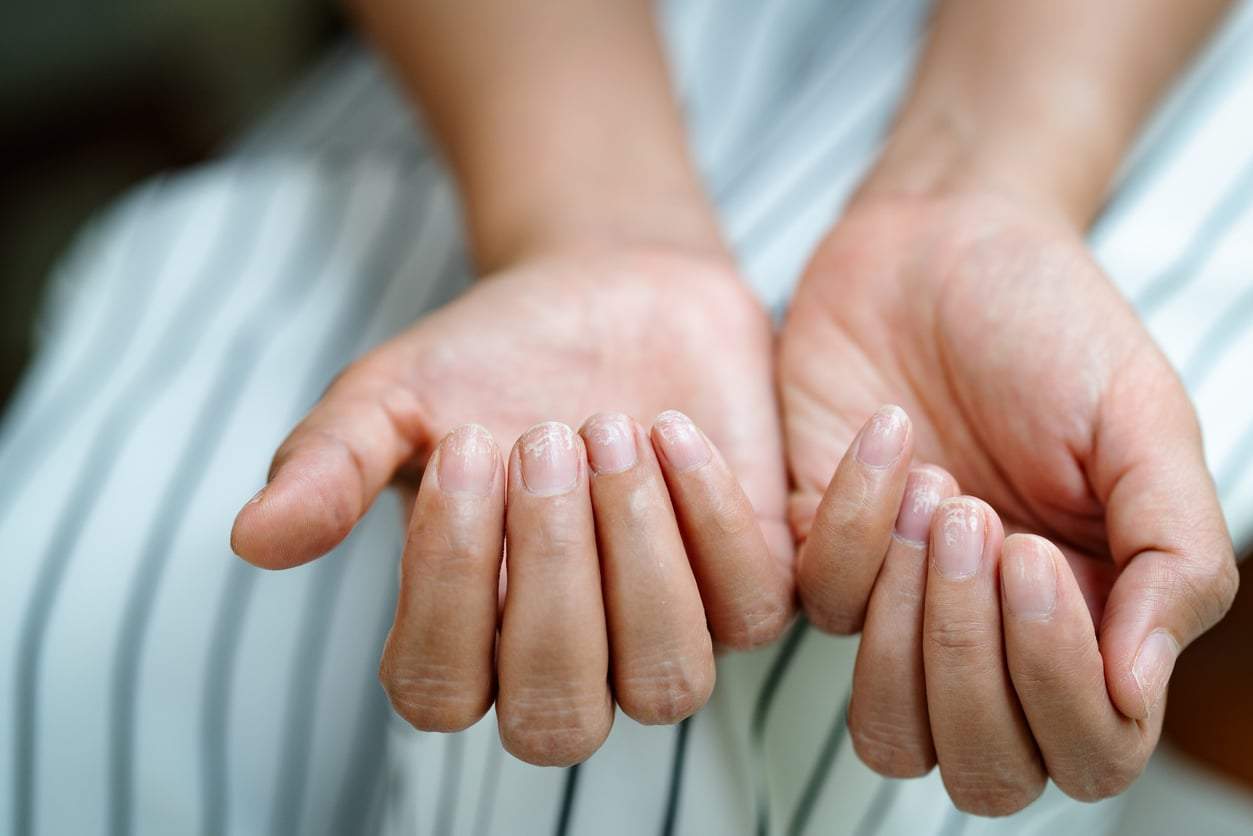
That tight, flaky, uncomfortable feeling after a shower is one of the most frustrating skin problems there is. And if you've been reaching for pricey creams that never quite deliver, here's the good news: some of the most effective fixes are probably already sitting in your kitchen.
With just three easy-to-find ingredients, you can rescue dry skin fast and help it get back its natural softness and healthy shine. Here's how to make the most of a simple at-home routine.
The magic of olive oil on your skin
Olive oil has long been a hero far beyond the kitchen. It's rich in antioxidants and vitamins that help shield your skin from everyday environmental stress.
The trick is in the timing. After a shower, gently massage a little olive oil into damp skin. It absorbs quickly, doesn't leave a greasy film, and seals in your skin's natural moisture while it's still there.
Want to take it further? Stir in a few drops of an essential oil like lavender or tea tree for an extra calming, soothing effect.
Sugar: your natural body scrub
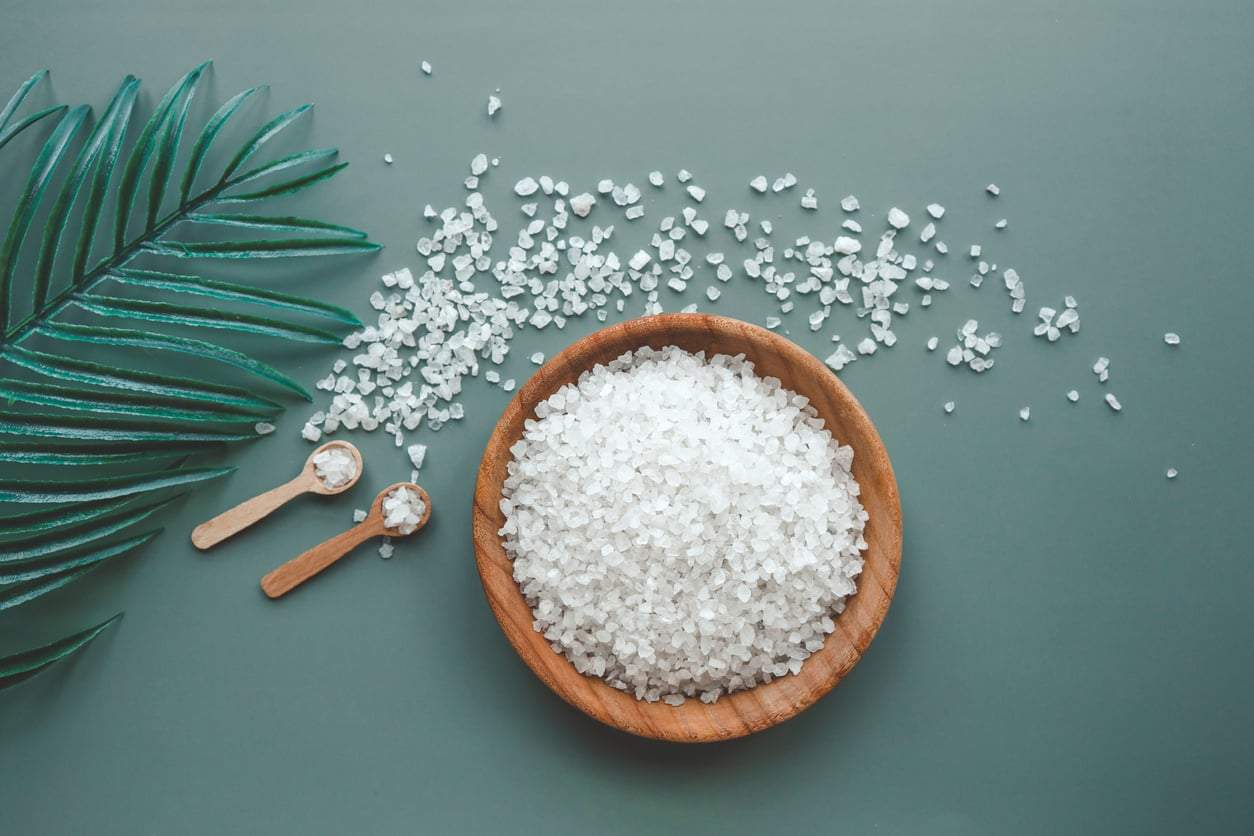
Regular exfoliation clears away dead skin cells, leaving the surface smoother and more radiant. For an easy at-home scrub, sugar is a brilliant choice — it's cheap, natural, and gently lifts away that dull top layer.
Try this: mix one tablespoon of brown sugar with one tablespoon of coconut oil, then massage it into damp skin in slow, circular motions. It exfoliates and nourishes at the same time, thanks to the natural oils in the coconut.
One important note: keep exfoliation to once a week at most to avoid irritating your skin.
Shea butter: the African wonder cream
In parts of Africa, shea butter has been a beloved skincare staple for centuries — and it's easy to see why. Its rich mix of vitamins and fatty acids makes it an incredibly effective moisturizer that calms the skin and improves its texture.
You can find shea butter easily in health stores or online, and it works beautifully on its own or blended with other oils. For an intensive moisturizing balm, melt the shea butter, stir in a few drops of jojoba oil, then let it cool until solid. Use it on stubborn dry spots like your elbows and knees.
Everyday habits that keep dryness away
These three ingredients do a lot of heavy lifting, but your daily routine matters just as much. Remember that hydration starts from the inside — aim for at least 2 liters of water a day so your skin gets its share too.
Just as important: skip the scalding-hot showers, which strip the skin and make dryness worse, and always reach for mild, skin-friendly cleansers. Stay consistent, and you'll have soft, comfortable skin ready for beach season without a second thought about flaking or tightness.
With these simple but genuinely effective methods, you can get your skin holiday-ready in no time.
At-home skincare isn't just convenient — it also lets you protect your skin with 100% natural, chemical-free solutions you can trust.
How often should I exfoliate dry skin?
Once a week at most. Over-exfoliating can irritate the skin and undo the benefits, so keep the sugar scrub as an occasional treat rather than a daily habit.
Should I apply olive oil to wet or dry skin?
Damp skin. Massaging olive oil into your skin right after a shower helps lock in the moisture that's already there, and it absorbs without leaving a greasy feel.
Can I use shea butter on its own?
Yes. Shea butter works beautifully by itself, but blending it with a few drops of jojoba oil makes an even more intensive balm for very dry areas like elbows and knees.
Does drinking water really help with dry skin?
Hydration starts from the inside, so aiming for at least 2 liters of water a day helps your skin stay properly hydrated alongside your topical routine.