Ask a teacher what today's teenagers are like, and you won't get a simple answer. You'll get a mix of hope and worry, admiration and frustration.
The generation now sitting in high school classrooms isn't struggling with the same things their parents did. Their challenges are new, and so are their strengths. We spoke to educators about what they see every day, and their honest observations paint a surprising picture.
What happened when phones were banned
"Ever since phones were banned in schools, my colleagues and I noticed something remarkable: during breaks, the kids are running around again, talking, playing, kicking a ball in the yard. Before, they just stared at their screens."
"We don't see the effect on their grades yet, but honestly, it's already huge progress that they talk to each other during breaks."
The last shall be first
"I'm 47, so I fall into that in-between group wedged between Generation X and the Millennials. And without any nostalgic bias or a 'things were better back then' attitude, I can say that today's high schoolers aren't at the level we were."
"I'm not saying they're less intelligent. I'm saying they can't concentrate the same way. Far more information reaches them, and far faster, but paradoxically they're much less able to process it."
"On the other hand, they're friendlier and more tolerant than we were. They're far more accepting of classmates from a different ethnic background or living with a disability than my generation ever was."
The picture isn't the same everywhere, though. "I see this in the city," one teacher adds, "but a colleague teaching in a rural area sees the exact opposite. He says bullying and exclusion are worse now than they used to be."
The surprising part
"The downside? They're lazy, and they only take part in anything outside of school if there's a reward at the end. Otherwise they simply aren't interested."
"The upside is that they're better at critical thinking."
When reading becomes a struggle
"Fewer and fewer of my students can actually read properly, and even among those who can, some find basic comprehension a challenge."
"So even among the handful of students who can read a text aloud clearly, some don't understand a word of it. I'll ask them to tell me in their own words what they just read, and they can't. Their eyes follow the lines, their mouths form the words, but the information never reaches their brains. It's frightening."
Mental health takes center stage
"Today we recognize and accept learning difficulties like dyslexia, dyscalculia and dysgraphia, and we pay attention to students with ADHD and autistic students too. In my day, no one even knew what these conditions were, and being different got you punished."
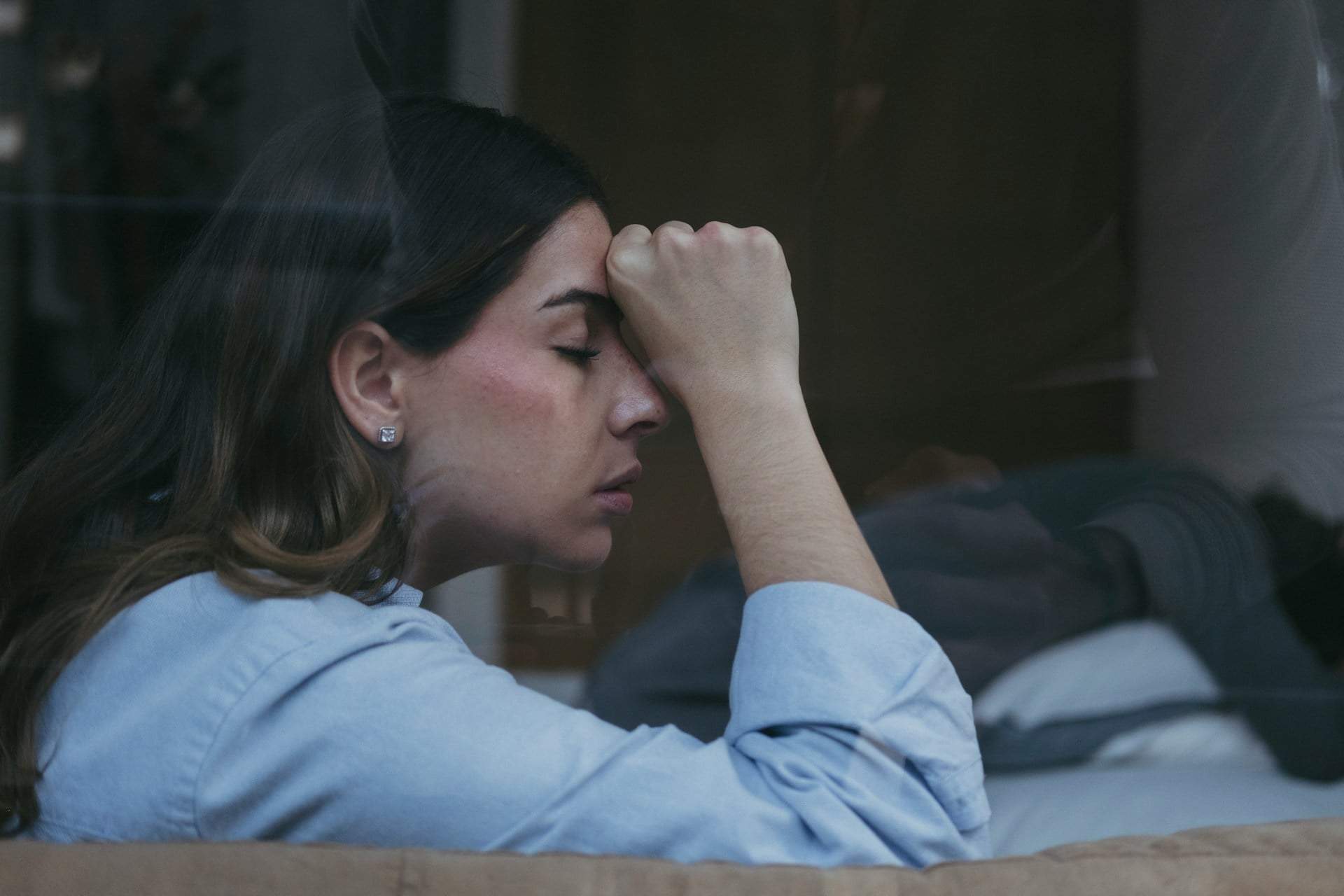
"And yet, we now see far more anxious and depressed teenagers, which is heartbreaking. In my opinion, alongside many other factors, social media carries a big part of the blame."
"Still, back in the nineties, the school psychologist was there for show only. This generation actually uses that support, and that's real progress."
The good and the bad
"It's striking how little they drink and how little they use drugs. I remember that in my high school, there were always cigarettes, alcohol and weed at the back of the yard. But today's kids barely care about that. It's a massive positive for them."
"If someone had told me back then that this kind of 'rebellion' wouldn't be cool a few decades later, I never would have believed it. But that's exactly what happened. Most of my students would rather go to a cultural event than a club, which is unbelievable to me."
"Sadly, their arithmetic skills are weaker, but that's no surprise. They're holding a device that has the answer to practically every question, so why would they do the math in their heads?"
Falling behind
"I've noticed that the students who started high school after Covid fell far behind. I teach English, and reading, writing and comprehension came hard to them."
"But schoolwork can be caught up on, and that's not the main problem. The real issue is the entitlement and the lack of responsibility. They feel like everything is owed to them, but they don't want to work for anything, and when you hold them accountable, they look for excuses. In their eyes, they're never to blame."
"They'll blame the teacher before admitting they didn't study, and unfortunately their parents often go along with it."
"What I do like, though, is that they have more self-confidence than we did at their age. They express themselves better, and they're not afraid to speak their minds."
Are today's high schoolers less intelligent than past generations?
According to the teachers, no. They aren't less intelligent, but many struggle to concentrate and to process the flood of information they're constantly exposed to.
Why do so many students struggle with reading comprehension?
Teachers report that a growing number of students can follow the words on a page without absorbing the meaning. Some can read a text aloud but can't explain what it was about in their own words.
What are the strengths of this generation?
Teachers point to greater tolerance, stronger critical thinking, healthier habits around alcohol and drugs, more openness to mental health support, and more self-confidence in expressing their opinions.
Has banning phones in schools made a difference?
Teachers say that since the ban, students spend breaks talking, playing and socializing again instead of staring at screens. The effect on grades isn't clear yet, but the social change is already noticeable.