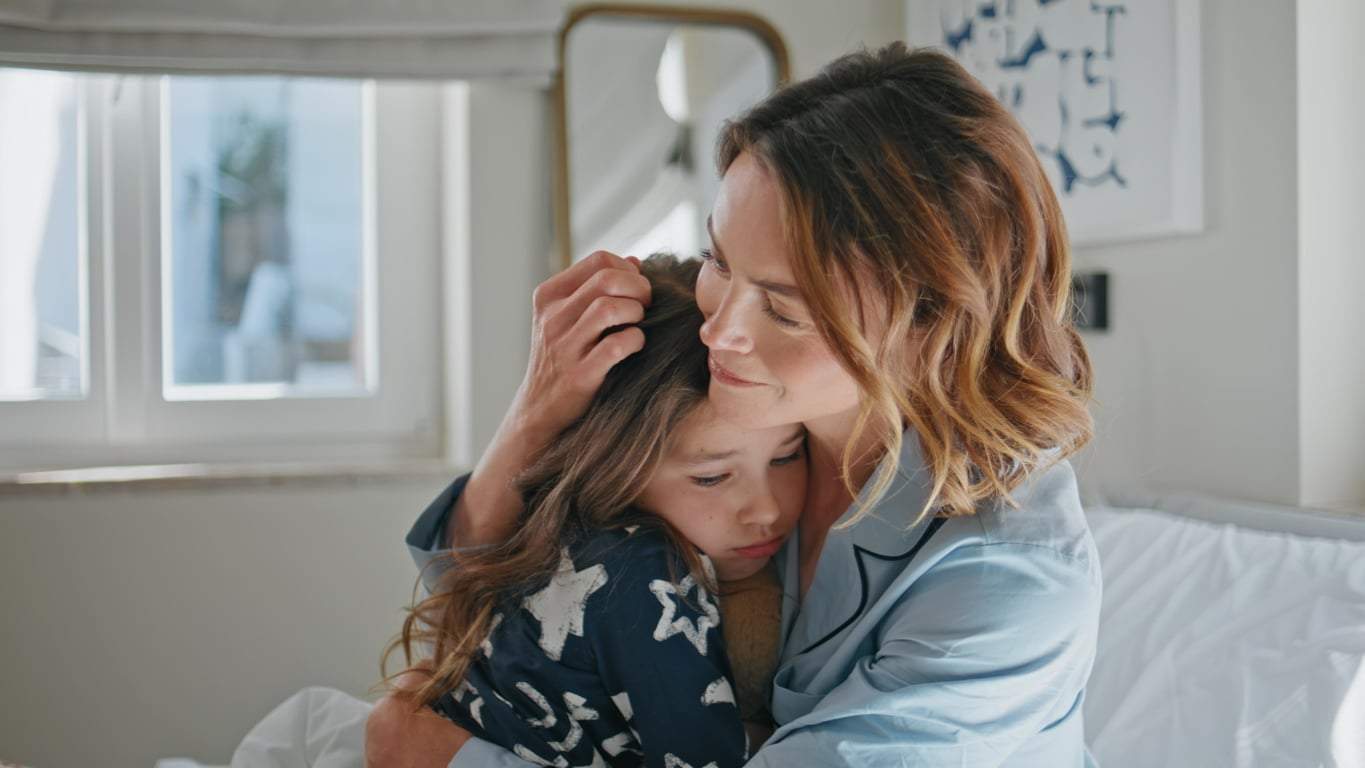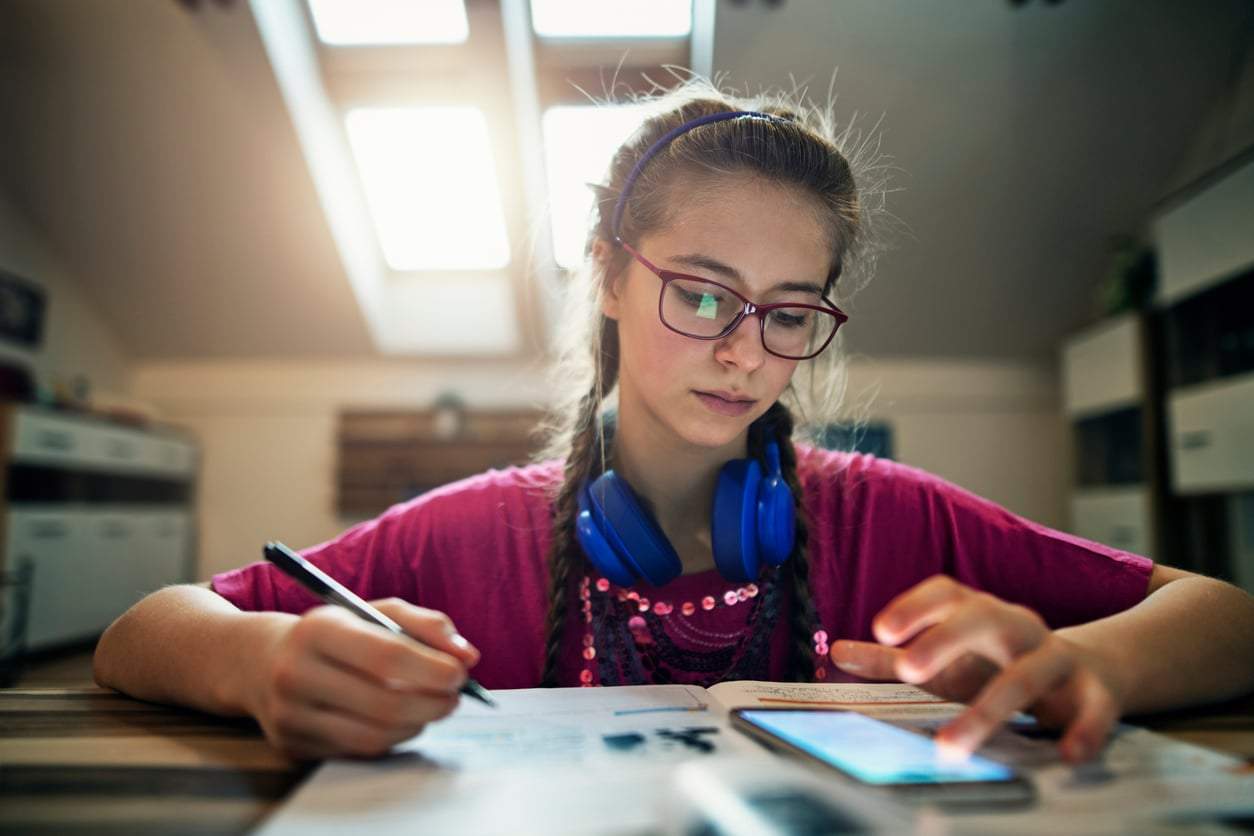
I know this isn’t about me. It’s a natural, even healthy and necessary process, but sometimes it feels like we were given completely different maps for the same journey.
I’m not alone in feeling this way. Psychologist and parenting coach Jeffrey Bernstein points to three main reasons why kids—sometimes even as adults—grow distant from their parents. Often, it’s not big family rifts but many small, unnoticed patterns repeating over time.
Emotional Safety Becomes More Important Than Family Duty
With adolescence comes the search for identity—and a more sensitive inner world. Many notice that certain family situations, remarks, or behaviors become deeply hurtful, even if the parents never intended harm.
Bernstein found that many young adults share how their parents minimized painful past experiences. For example, one woman said her sibling emotionally abused her for years, but her parents just called it "sibling rivalry." This left her with serious self-confidence struggles as an adult.
So in these moments, what we parents often misunderstand kicks in: when a child pulls away, it’s not always anger driving them but often self-protection. They just want to feel safe—and sometimes that means needing distance.

The Desire for Autonomy: "Mom, Please Let Me Breathe!"
As kids grow, it’s natural for them to seek independence. They want to test themselves, make their own choices, make mistakes, and learn from them—or not. Often, they feel parental advice—even well-meaning—pressures them instead of helping. Many young people feel they don’t fully enjoy their parents’ trust.
If after every wrong choice we remind them of our advice or say "I told you so," it eventually leads to indecision and low self-confidence.
Everyone needs time and space to grow up—even if that means making big mistakes—because that’s how they learn who they really are and how much they can handle.

The Feeling of Invisibility
The third common reason Bernstein highlights is unmet emotional needs. These aren’t necessarily big traumas but rather small, ongoing absences. If parents never truly ask, "How are you?" downplay sadness, or fail to show genuine acceptance—"I accept you just as you are"—it leads to emotional wounds.
No child has ever told Bernstein they don’t long for their parents’ love or reassurance. Many just don’t dare to reach out anymore (from either side) because they fear being unheard and disappointed again.
As parents, it’s easy to say, "But I did everything I could!" Maybe that’s true. Still, if we want to reconnect with our kids—whether pre-teen, teen, or adult—it’s worth asking: "Do they really feel heard?"
It’s never too late to start. Small steps count. A thoughtful question, an open conversation, or simply being a steady presence in the silence. Sometimes that’s enough to slowly rebuild a long-neglected bridge with patience, understanding, and love.