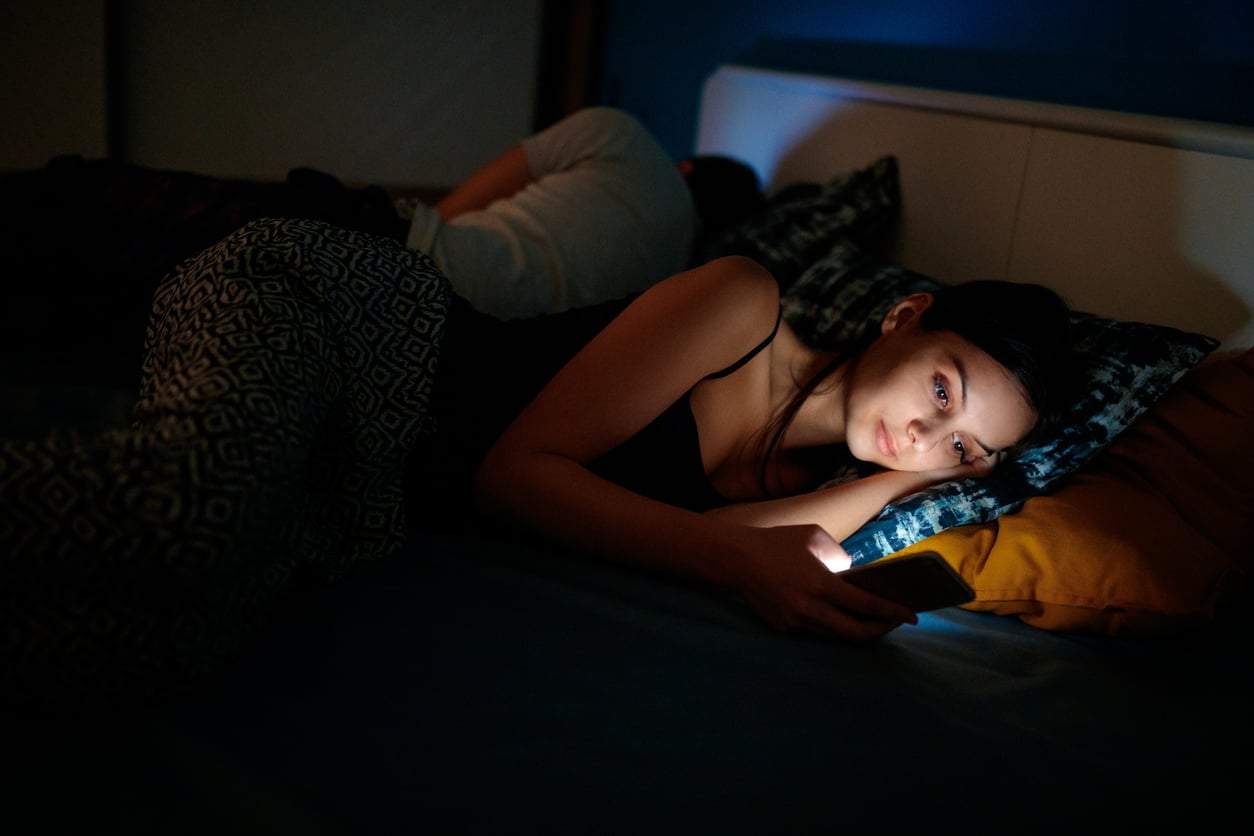
As darkness falls earlier, your body naturally shifts into winter mode. You might feel sleepier sooner, your daily rhythm slows down, and it’s totally normal to feel a bit more tired or irritable. This is a great time to check when you’re having your last meal, as it sends important signals to your body. If you feel like you can’t make more changes right now, that’s okay — but if something’s been off for weeks, a small tweak in your dinner timing could make your evenings more pleasant.
Why Rethink Dinner Time in Winter?
Experts say the key lies in your circadian rhythm — your internal clock that controls when you feel awake, sleepy, and how your body functions throughout the day. “The circadian rhythm determines when we start producing melatonin, which strongly influences sleep,” explains Dr. Christopher Winter, a sleep specialist neurologist. In winter, melatonin production kicks in much earlier because it gets dark sooner, which is why you might feel ready to sleep as early as 7 p.m.
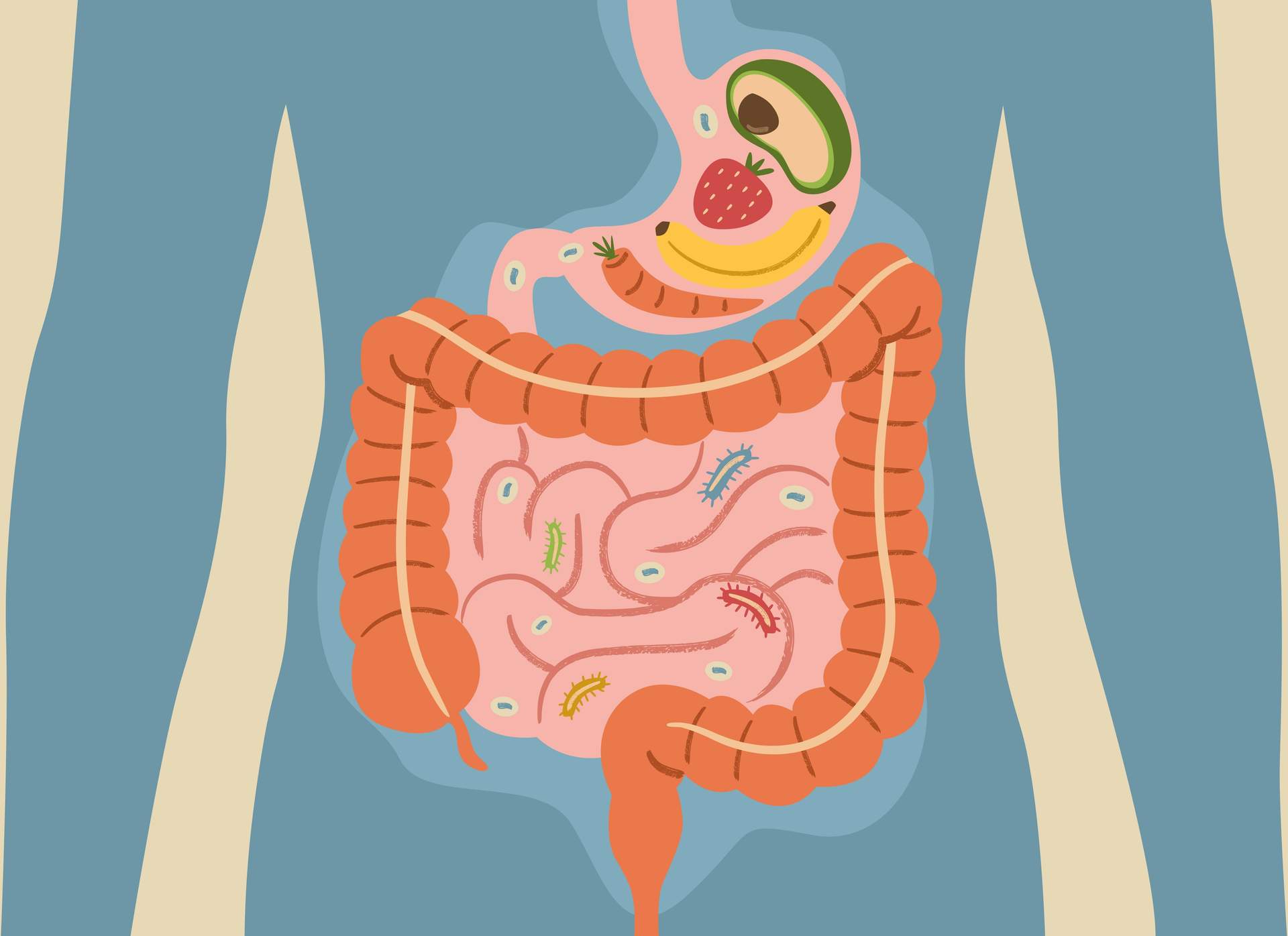
Ashkan Farhadi, a gastroenterologist, adds: “There’s no specific research dictating when to eat dinner in winter, but plenty of indirect evidence suggests that eating earlier aligns better with your body’s natural signals.” He also points out that melatonin slows down your digestive system: “Your gut gets the message that it’s evening and time to switch to rest mode.” That’s why late, heavy dinners often cause reflux, bloating, or general discomfort for many people.
If you’ve started going to bed earlier but still eat dinner late, it can confuse your internal clock. “Meal timing is one of the body’s most important time cues. Eating late while going to bed earlier can be quite confusing for your system,” says Dr. Winter.

When’s the Best Time to Eat Dinner in Winter?
It’s hard to name one perfect time, but research points to early evening dinner as the best choice. One study found that people who ate at 9 p.m. stayed much hungrier than those who ate around 5 p.m.—simply because their bodies didn’t respond as well to late meals.
Gastroenterologist Shabnam Sarker says eating earlier matches our natural biorhythm and can improve metabolic health. She notes that blood sugar and digestion are more stable then, which benefits those prone to evening reflux or poor sleep.
Experts agree that aiming to finish dinner three to four hours before bedtime is a smart move. “Late, heavy meals are the worst combo for good sleep,” says Dr. Winter. So if you’re in bed by 9 p.m., a dinner between 5 and 6 p.m. could be ideal.
If you struggle with your rhythm, feel more tired, or toss and turn at night during winter, you might not need a big lifestyle change—just try moving your dinner a bit earlier. It can surprisingly help you fall asleep easier, rest better, and enjoy a more peaceful evening overall.