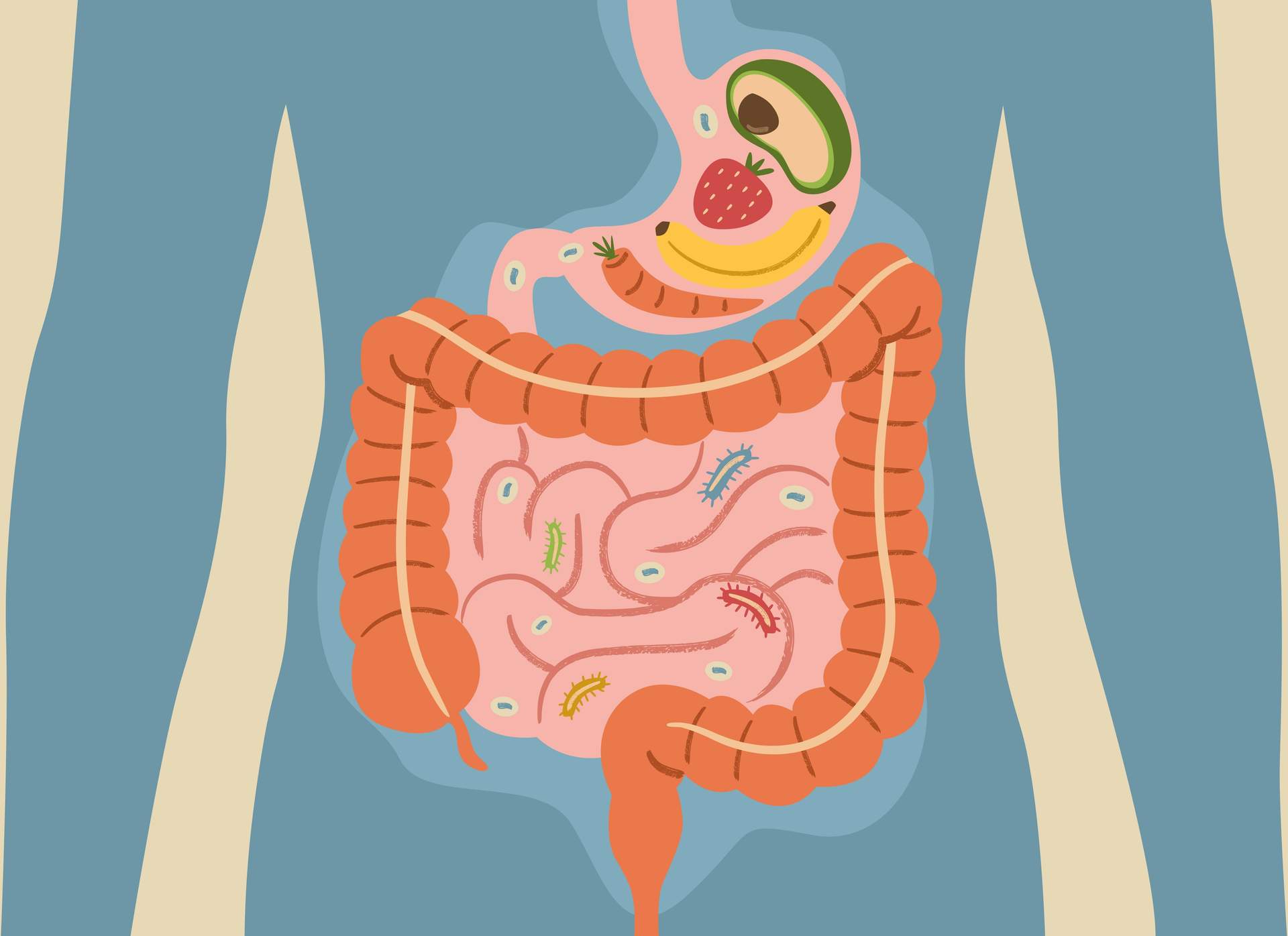
These days, advice about gut health can feel overwhelming. Everyone’s trying chia seed water, detox routines, or pricey probiotics to optimize digestion. Meanwhile, specialized stool and microbiome tests promise to perfectly balance your digestive system. No wonder many feel that supporting gut health is complicated and expensive. But the truth is much simpler.
Gastroenterologists agree that the foundation of a healthy gut still lies in simple, well-known habits: eating more fiber (from fruits, veggies, and whole grains), staying hydrated, moving regularly, and managing stress. These not only aid digestion but boost overall wellness.
“Fiber doesn’t just support regular bowel movements—it can also help lower cholesterol,” says Dr. Olufemi Kassim, gastroenterologist and clinical instructor at Northwestern Feinberg School of Medicine.
Still, some everyday habits quietly disrupt your gut’s rhythm. Experts warn these small things can lead to digestive issues over time. Here are a few to avoid—and what to do instead.
1. Long Gaps Between Meals—or Skipping Them
If you get hangry, you know how skipping a meal can throw off your mood. Low blood sugar can cause fatigue, trouble focusing, or nausea. But it also affects digestion.
Dr. Kyle Staller explains that missing meals can disrupt your bowel movement rhythm. Skipping breakfast is especially tricky since it kickstarts gut contractions.
“Breakfast triggers gut contractions that help move stool along later,” he says.
Without it, digestion slows, which can lead to constipation. Jet lag or travel-related constipation often ties back to disrupted meal timing.

What to do instead? Aim to eat at fairly regular intervals. Dr. Haleh Pazwash suggests most people do best by snacking or eating every few hours to keep energy and digestion steady.
2. Overdoing Artificial Sweeteners
“Sugar-free” products seem healthier, but artificial sweeteners don’t always play nice with your gut. Many contain sugar alcohols (like sorbitol, mannitol, or glycerin) that are hard to digest. They pass through the small intestine mostly unchanged, then gut bacteria feast on them in the colon.
This can cause bloating, gas, and even diarrhea.
“Sugar alcohols pull water into the colon, which can lead to diarrhea,” explains Dr. Felice Schnoll-Sussman.
Other sweeteners like aspartame, sucralose, or saccharin might not cause immediate symptoms but may alter gut bacteria over time, reducing beneficial strains.

What to do instead? If artificial sweeteners cause bloating or digestion issues, cut back on them. But remember, too much regular sugar isn’t great either—moderation is key.
3. Spending Too Long on the Toilet
Many use bathroom time to unwind—scrolling on their phones, for example. But experts say this isn’t ideal. Long toilet sessions increase pressure on your pelvic floor, raising the risk of hemorrhoids.
“Toilet seats don’t support the pelvis properly,” says Dr. Kassim. Plus, sitting longer often leads to straining, which ups the risk even more.
What to do instead? Try to limit your time on the toilet to five minutes. If you can’t go, come back later. Using a small footstool to elevate your feet can also help.
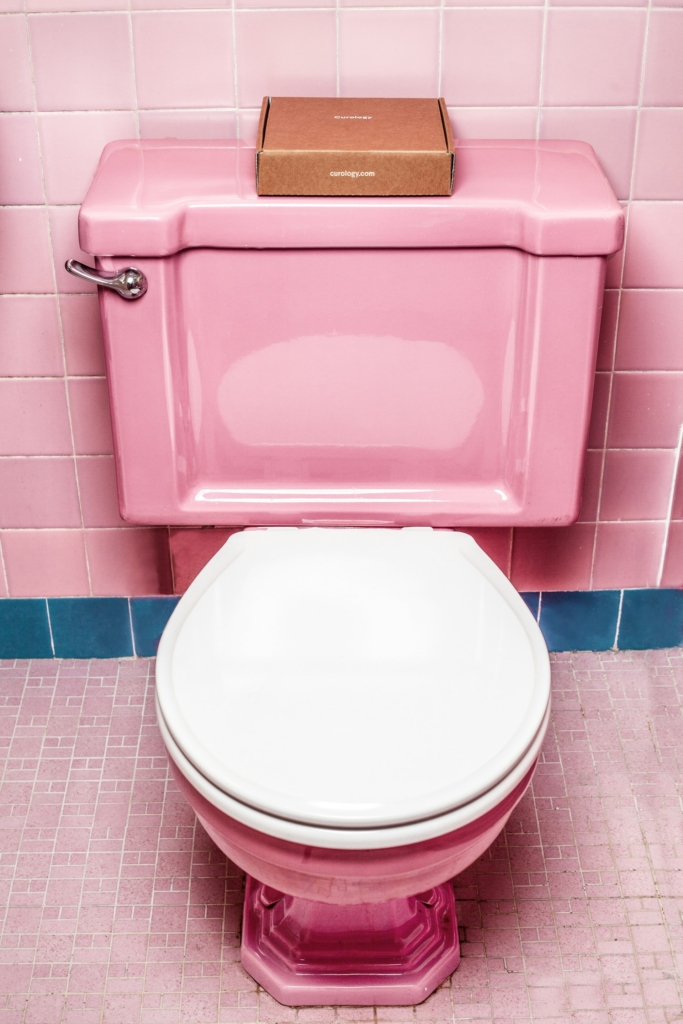
“Our bodies empty more naturally when knees are above hips,” explains Dr. Staller.
4. Frequent Use of Over-the-Counter Painkillers
Painkillers like ibuprofen or naproxen (NSAIDs) work wonders for headaches, muscle pain, or cramps. But regular use can irritate your stomach and gut lining.
“These drugs lower prostaglandins that protect your stomach lining,” says Dr. Kassim.
This can cause heartburn and stomach pain, and over time might even lead to ulcers.
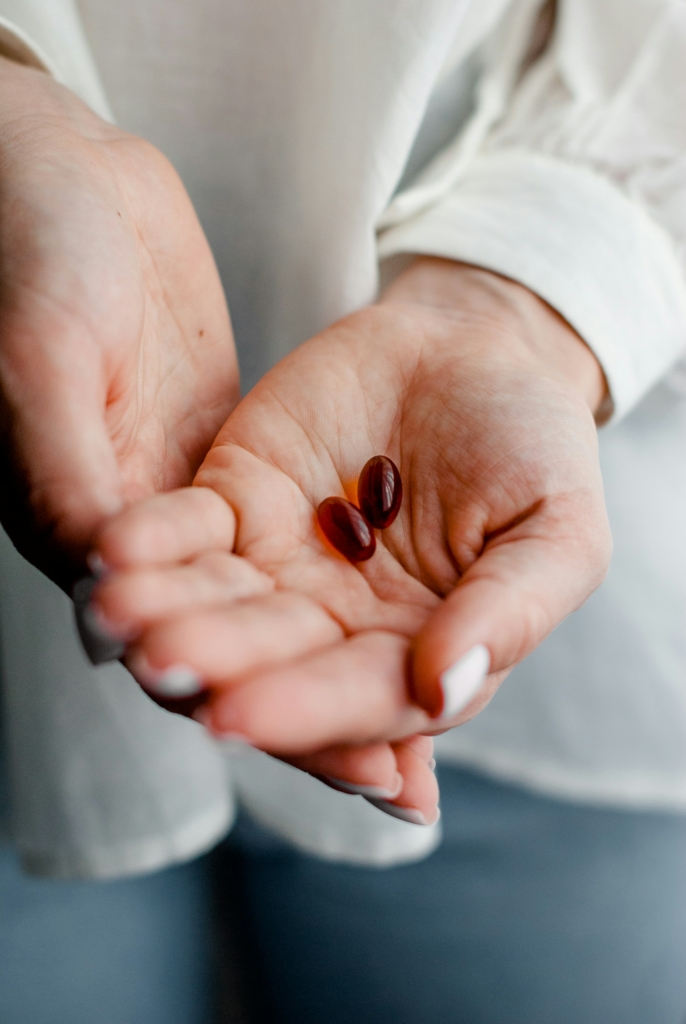
What to do instead? Stick to the recommended dose and always take these meds with food. If you need them often, chat with your doctor about safer options.
5. Lying Down Right After Eating
After a big dinner, many like to lie down or lounge on the couch—but this can cause heartburn.
“When you lie down, gravity no longer keeps stomach contents where they belong,” says Dr. Schnoll-Sussman.
This allows acid to creep back up your esophagus, causing that burning sensation.

What to do instead? Experts recommend waiting at least 2–3 hours before lying down after eating. This lowers your chance of acid reflux.
6. Not Getting Enough Sleep
Poor sleep doesn’t just affect your mood—it impacts your gut too.
Research shows chronic sleep deprivation raises the risk of digestive issues.
This may be due to increased inflammation, disrupted gut flora balance, and activated stress responses. For those with IBS (Irritable Bowel Syndrome), lack of sleep often worsens symptoms.

What to do instead? Experts recommend getting at least 7 hours of sleep each night. Help yourself by sleeping in a cool, dark room, avoiding screens before bed, and skipping caffeine and alcohol late in the day.
The good news: your gut bounces back quickly. “Just as it can easily get out of balance, it can also restore itself fairly fast,” says Dr. Pazwash. So, small habit tweaks can make a big difference in smooth digestion.