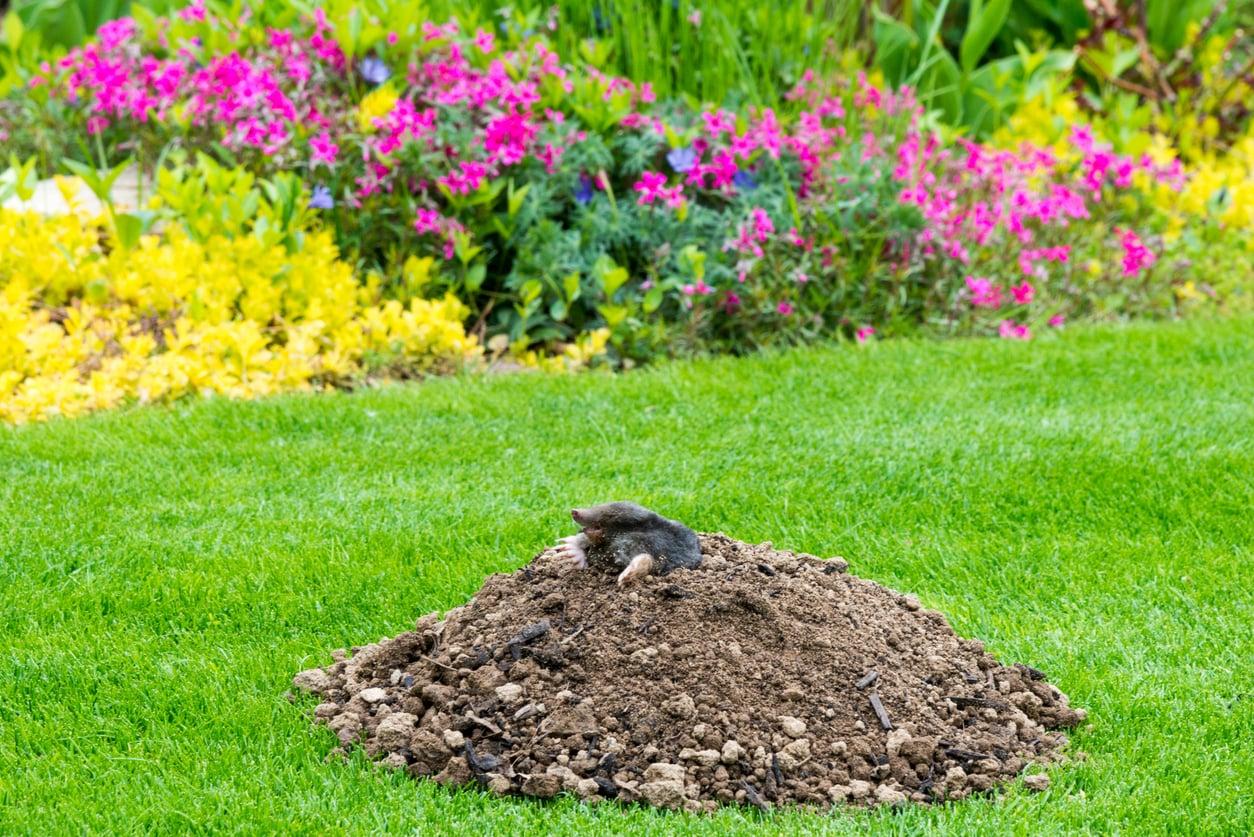
They may be kind of cute, but moles are a gardener's quiet nightmare. They don't eat your plants — but their tunnel networks can shred root systems and turn a smooth, healthy lawn into a lumpy mess almost overnight. The good news? You don't need harsh chemicals to fight back. One of the most popular and accessible home remedies is something you almost certainly already have in your kitchen: white vinegar.
But does it actually work? And if so, how do you use it properly?
Why vinegar works against moles
Moles have an extraordinarily sensitive sense of smell — they rely on it to navigate underground and hunt for food. That's their strength, but it's also their weakness. Strong, pungent scents like vinegar don't harm them, but they do disturb them enough to make them want to move on.
To be clear: vinegar doesn't kill moles — and that's a good thing. This is a humane, chemical-free method that simply makes your garden a less appealing place for them to settle. No poison, no traps, no harm done.
This makes it a genuinely animal-friendly option, and a much safer alternative to chemical deterrents — especially if you have pets or children playing in the garden.
How to make a vinegar solution
The most commonly recommended recipe is simple: mix 1 part white vinegar with 3 parts water and pour it into a spray bottle. That's it.
If you're dealing with a more persistent mole problem, you can try a stronger 1:1 ratio — but be extra careful around plants, as a more concentrated solution can cause damage.
How to apply it in your garden
The effectiveness of this method depends a lot on how and where you apply it. Here's what works best:
- Target active tunnels and molehills. Look for fresh mounds of soil or visible surface tunnels, and spray the solution directly around and into those areas. The scent needs to reach underground to do its job.
- Spray directly into open tunnel entrances. If you can find open holes or tunnel openings, spray inside them for a stronger, more direct effect.
- Reapply every few days. Vinegar evaporates and dilutes quickly in soil, so regular reapplication is key — especially after rain.
- Dry weather is your best friend. The solution absorbs more deeply into dry soil, making it more effective and longer-lasting.
What to watch out for
Vinegar is natural, but it's not without its limitations. A few important precautions:
Never spray it directly onto plants or exposed roots — the acidity can cause real damage. Used in large quantities, vinegar can also alter the pH of your soil, which may affect plant health over time. And keep in mind: the effect is temporary. This is not a permanent fix.
How effective is it, really?
Vinegar works best as a short-term, supplementary tool rather than a standalone solution. The scent genuinely bothers moles, but it breaks down quickly in the soil and its effect is localized. Determined moles will often simply dig new tunnels just beyond the treated zone.
That's why many garden experts recommend combining vinegar treatment with other strategies — such as reducing their food source (like grubs in the soil), planting natural mole-repelling plants, or installing physical barriers underground.
If moles are causing trouble in your garden, vinegar is an inexpensive, eco-friendly starting point that's worth trying. It won't work miracles on its own, but used consistently and combined with other methods, it can make your garden significantly less attractive to unwanted underground visitors.
The best approach is a layered one — and vinegar is a gentle, cost-free first step in building a humane, chemical-free defense strategy for your outdoor space.