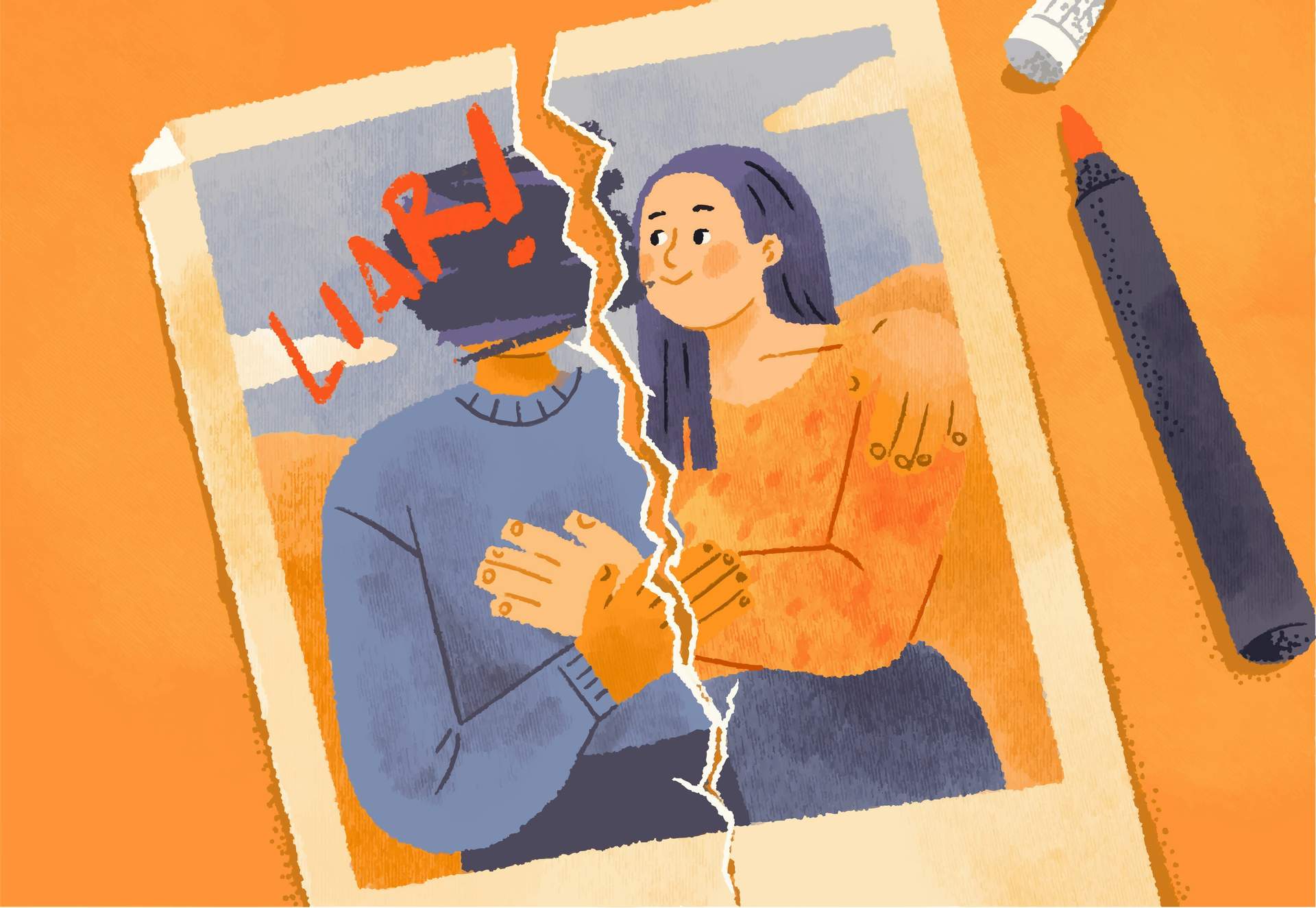
The phrase “boy mom” often feels like a proud, heartwarming label. On social media, it’s tied to touching confessions, cozy photos, and heartfelt messages. Yet, more experts warn that an overly close, exclusive mother-son relationship can place a heavy burden on boys long-term — and later on their romantic lives.
According to Germany’s Cosmopolitan, the “toxic boy mom” dynamic can follow men well into adulthood. But where’s the line between healthy attachment and too much emotional involvement? And what can couples do if mom’s influence feels overwhelming?
What Does “Boy Mom” Really Mean?
The boy mom trend took off on social media as moms shared how “special” their bond with their sons is. The focus often lies on the connection being “different,” “deeper,” or “more unique” than with daughters.
It’s natural for a mother to be proud of her son. The problem starts when the child’s gender becomes the core of identity, and the mother openly or subtly signals that her son is “more special” than anyone else—even siblings.
This can hurt a daughter’s self-esteem and place a heavy emotional load on the boy: the feeling that he must be the center of his mother’s emotional world.
When Motherly Love Crosses the Line
A healthy mother-son bond evolves over time. Close attachment in early childhood is natural, but adolescence and adulthood require gradual independence.
The dynamic becomes problematic when:
- the mother struggles with her son’s independence,
- she responds to separation with guilt,
- she sees her son’s relationships as threats,
- or emotionally elevates her son to a partner-like role.
In some extreme cases, mothers idealize their sons, call them “the man of their life,” or show jealousy toward their son’s partner. Emotional boundaries blur, and the son—often unknowingly—becomes his mother’s emotional support.

The Phenomenon of “Emotional Partner Replacement”
Psychology calls this emotional parentification—when a child takes on an adult role. The “toxic boy mom” dynamic often leads here: the son isn’t just a child but also a confidant, a support, even a substitute emotional partner.
This might look harmonious from the outside but can have serious consequences:
- the son feels excessive responsibility for his mother’s happiness,
- struggles to make independent decisions,
- avoids conflict,
- and as an adult, prioritizes his mother’s approval above all.
When the “Rival” Appears: The Mother-in-Law vs. Daughter-in-Law Conflict
The classic mother-in-law vs. daughter-in-law tension exists in many relationships but can be especially sharp when the mother-son bond is too tight.
A man raised with his mother as his primary emotional anchor often faces a double loyalty conflict:
- he wants to meet his mother’s expectations,
- but also desires to commit to his partner.
Without clear boundaries, the partner may feel she’s never first. This constant balancing act can lead to emotional distance over time.

How Does This Affect Intimacy and Sexuality?
Ongoing stress and loyalty conflicts don’t stay at Sunday dinners. Constant pressure to please, unspoken tensions, and guilt can seriously lower relationship satisfaction.
If a man doesn’t stand up for his partner, his sense of security suffers. Security is a key foundation for intimacy. Unspoken hurts can turn into lasting resentment—and resentment is one of desire’s biggest enemies.
When Is the Mother-Son Relationship Unhealthy?
It’s important to stress: close attachment isn’t a problem by itself. Emotional security is one of the greatest gifts a parent can give.
Warning signs include if:
- the son can’t make independent decisions without guilt,
- the mother regularly interferes in the relationship,
- emotional manipulation like “I used to be more important” appears,
- or the man’s life depends on his mother’s approval even as an adult.
In such cases, family or couples therapy can help redraw boundaries.
How Can You Break the Pattern?
Good news: these patterns can be recognized and changed.
What helps:
- Awareness: the first step is realizing that excessive attachment isn’t the same as healthy love.
- Setting boundaries: boundaries should always be set by the “child,” meaning the adult son.
- Working as a couple: successful partners face outside conflicts as a team.
- Professional support: deeply ingrained patterns may require expert help.
Love or Control?
The “boy mom” phenomenon isn’t inherently bad. Many moms truly share a special bond with their sons—and that’s a beautiful thing.
It becomes a problem when love teaches holding on instead of letting go. When independence feels like a threat, not a joy. When the mother’s emotional security takes priority over the son’s happiness.
Healthy parental love ultimately doesn’t possess but prepares for letting go. And maybe that’s the real difference between a proud “boy mom” and a toxic dynamic.