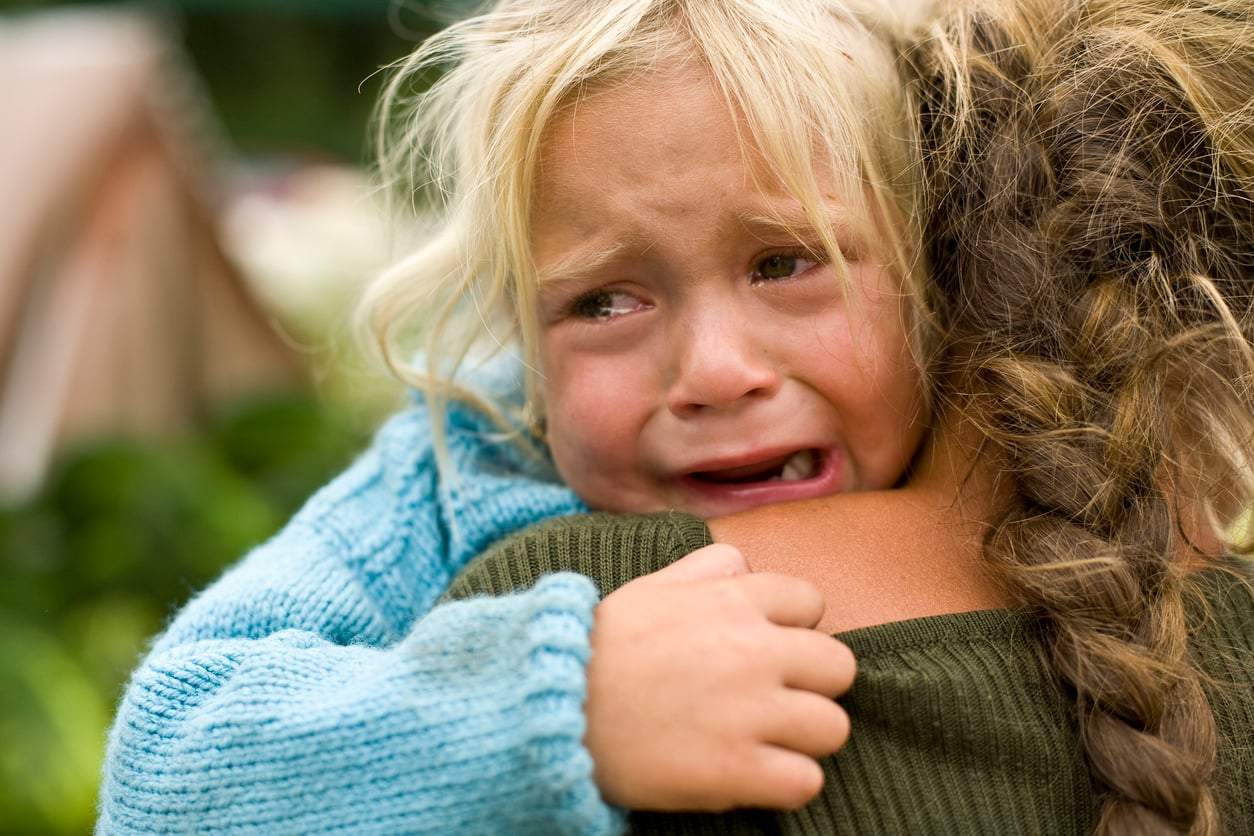
Fathers hold an irreplaceable place in their children’s lives, standing as their first role models and shaping their worldview and values. But what happens when a father’s presence—or absence—casts a shadow on a child’s emotional well-being? What kinds of wounds can a father cause, and how can these deep scars be healed later on?
Emotional Neglect of Their Children
Emotional neglect often leaves lasting marks on a child’s soul. A child who doesn’t receive the emotional support they need from their father may develop feelings of insecurity and low self-esteem.
Fathers’ emotional role includes truly listening to and validating their children’s feelings, no matter how small they seem.
Emotional neglect can lead to mistrust, relationship struggles, and a sense of loneliness in the world. The key to healing often lies in better communication, prioritizing quality time, and actively showing emotional support.
Exposing Children to Physical and Verbal Aggression
Another common trauma children face is physical and verbal aggression from their fathers. This behavior deeply affects their mental health, causing anxiety, fear, and self-esteem issues.
Verbal abuse, constant criticism, and belittling slowly embed self-esteem problems in a child’s psyche, often shaping patterns they may follow later in life. Healing can come through fathers’ self-awareness work, therapy, and consciously using positive reinforcement every day.
Lack of Flexibility and Tolerance
It might surprise many, but a lack of flexibility and tolerance can also feel like trauma to a child. Strict rules and authoritarian parenting stifle creativity and freedom, often sparking rebellion over time.
Children crave flexibility and support, so it’s vital for fathers to grow their emotional intelligence and lead by example through practicing tolerance. This can mean solving problems together and finding compromises within the family.
Absence and Lack of Presence

Last but not least, a father’s absence can cause long-lasting effects on a child’s life. Children with physically absent fathers often feel emptiness and loss, feelings that can carry into adulthood.
These children may develop a strong desire for perfection to prove their worth to fathers who aren’t there. Fathers can help heal this trauma through conscious effort, regular contact, and actively engaging in their children’s lives.
Solutions and Prevention: How to Move Forward
The key to healing wounds and preventing further harm is awareness and honest communication. Fathers must be willing to face their mistakes and open themselves to change.
It’s crucial for fathers to play a supportive and encouraging role, where love and active attention are at the core. Co-parenting, seeking continuous growth, reading self-help books, and family therapy when needed can all help overcome these challenges.