Ever felt like your coffee takes forever to brew while the barely 20-year-old barista stares at you with a blank face? You’re not alone: the neutral expression of young people during social interactions often leaves many feeling awkward.
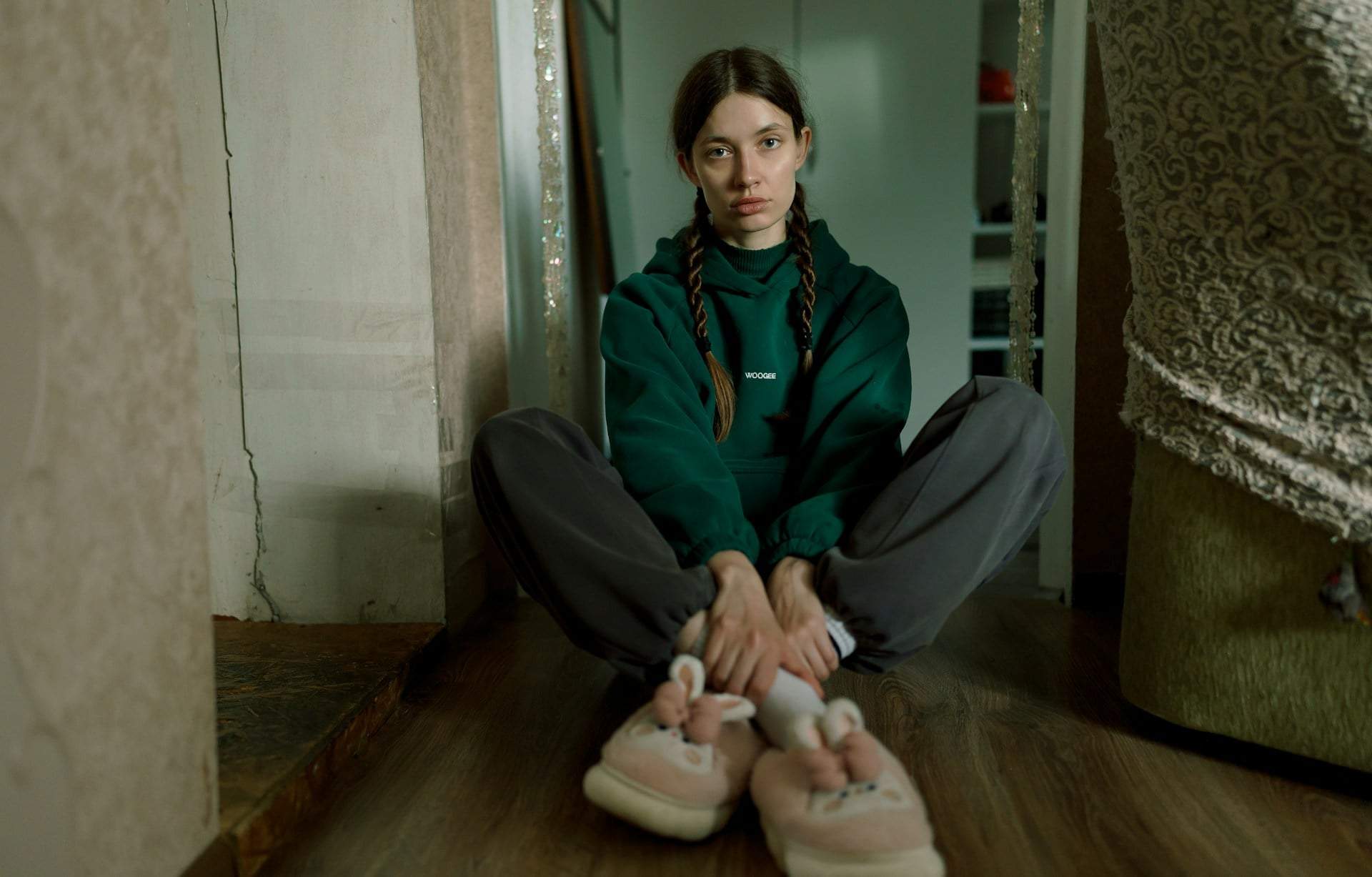
This is what’s called the “Gen Z stare”—a straight-faced gaze that can make people uncomfortable, and some even see it as rude. But what’s behind this curious, distinctly modern behavior? A mix of psychological and sociological factors helps explain it.
A Blank Stare Doesn’t Always Mean Indifference or Hostility
When a young person looks at you without showing any emotion, it’s easy to feel ignored or even disliked. For older generations, this can feel strange because facial expressions and smiles have long been key parts of social connection.
Gen Z—roughly those born between 1997 and 2012—grew up largely online. The COVID-19 pandemic deepened this, as schools and friendships moved to virtual spaces. Facial expressions and nonverbal cues took a backseat since video calls and chats don’t convey emotions the same way face-to-face meetings do.

The Neutral Gaze: A Sign of Honesty and Boundaries
This expressionless stare isn’t just about passivity or coldness. Psychologists suggest it reflects Gen Z’s pursuit of honesty and authenticity. In an age of filtered selfies and polished posts, genuine emotions can feel rare.
Many young people intentionally choose a “neutral” face to say: no need for fake smiles or forced kindness. This neutrality sets emotional boundaries, protecting them from unnecessary emotional strain and signaling they don’t let just anyone into their emotional space.
Social Anxiety, Inexperience, or Simple Awkwardness?
Other views see the Gen Z blank stare as a sign of social anxiety or inexperience. Many young people are navigating face-to-face interactions for the first time after years online, and they’re still figuring out how to handle these moments. In other words: don’t be alarmed if a Gen Z looks at you with a blank face. They’re probably more nervous about you than you are about them!
Why Does This Confuse Older Generations?
Evolutionary psychology shows eye contact is a key social signal—it can mean attention, closeness, or even threat. When someone avoids eye contact or stares blankly, it often triggers anxiety or discomfort.
For older generations, a blank stare isn’t just neutrality—it’s a “bad sign” suggesting someone is closed off or hostile. This misunderstanding often causes tension between generations because they interpret nonverbal cues differently.
How to Mindfully Handle This Situation
It’s important to stay open-minded about younger generations’ behavior. They usually don’t mean to offend or exclude; their communication style and emotional boundaries just work differently.
If you feel uneasy about a blank stare, try to be patient and consider what might be behind it.
In work or client settings, a respectful, open conversation can help young people grow their emotional intelligence and nonverbal skills.
At the same time, we can learn from their approach to authenticity—reminding us that we don’t always have to meet traditional expectations.
The Gen Z expressionless stare is a complex, layered phenomenon shaped by social change, online life, emotional self-protection, and generational communication differences. With understanding, patience, and openness, we can bridge this gap and enrich our connections.