Some clothes soak up heat in seconds and cling to your skin. Others stay light, airy and genuinely comfortable even when the temperature climbs past 90°F (32°C). The difference usually isn't the style you picked — it's the fabric.
That's the real secret of dressing well in summer. Get the material right, and you can wear almost anything without melting. Here are the fabrics worth looking for when you refuse to suffer in your own clothes.
Linen, the fabric that actually breathes
Linen comes back every single year for a reason, even though it wrinkles and sometimes needs ironing. Its weave is loose and its fibers absorb moisture and release it quickly, so your skin never ends up trapped in a damp layer the way it does with synthetics.
A loose-fitting linen dress — whether midi length or above the knee — feels noticeably cooler than a thin but tight cotton top. You'll either learn to love the wrinkles or simply accept them. That's the price of linen, and in exchange your back stays dry all day.
Double gauze and muslin, soft enough to sleep in
Over the last few seasons, more and more shops have started stocking that thin, slightly crinkled, gauze-like fabric many of us first knew as baby swaddle material. This double gauze works so well in extreme heat because a cushion of air forms between its two loosely woven layers. That pocket of air insulates you from the hot outside temperature without ever sealing your skin in.
A loose dress in this fabric feels less like wearing clothes and more like draping a thin sheet over your skin — and that's exactly the point.
Viscose and bamboo viscose, for a softer drape
If you don't love the stiffness of linen, viscose — especially the bamboo-based version — might be your answer. It drapes softly over the body, never scratches, and moves with you far better than a rigid cotton weave.
The catch: it loses its shape when wet. So after washing, smooth it out and dry it straight away — otherwise it'll dry creased and stay that way.
A loose cut isn't a trend, it's heat management
Plenty of people assume that flowy, non-clingy clothes are purely a fashion choice. In reality it's a practical, physics-based decision. When fabric doesn't touch your skin at every point, air can circulate freely between your body and the cloth — and that airflow alone has a cooling effect, even if the outfit is made from the exact same material as a tighter one.
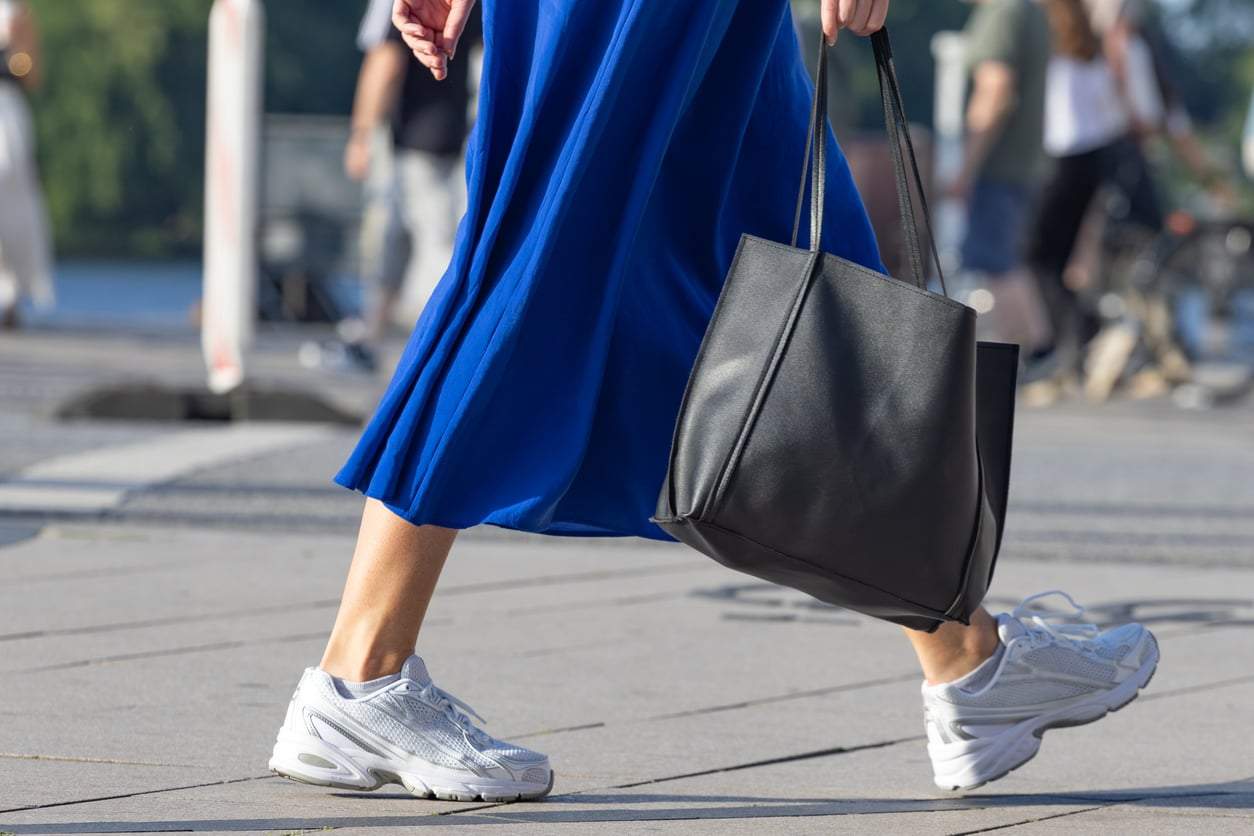
A sleeveless, loose midi dress is also brilliantly practical: it does in a single piece what a top-and-skirt combo tries to do in two layers. Minimum fabric, maximum freedom of movement.
Light and pastel colors aren't just pretty
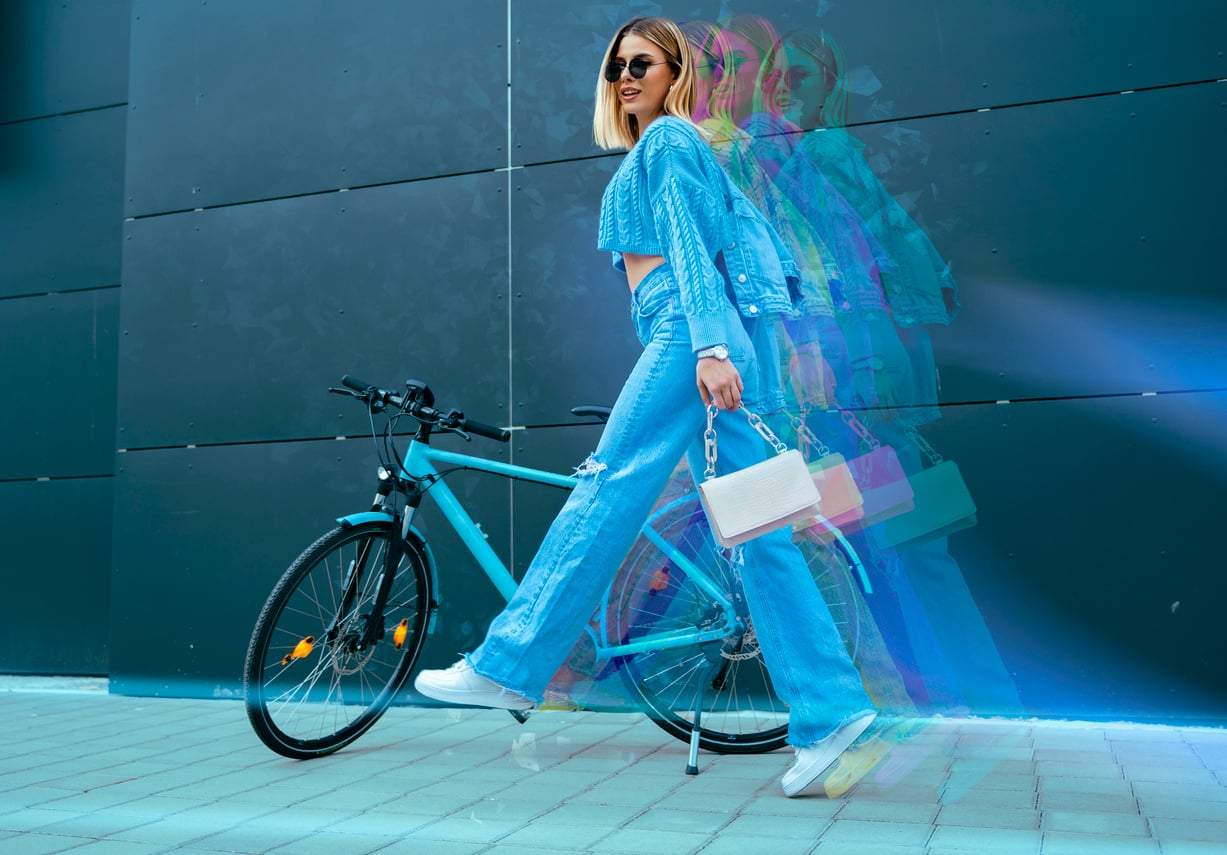
Dark fabrics absorb more heat radiation, so they get hotter in the sun — and that's a measurable, physical difference. This summer's big favorites are aqua blue and a soft off-white, sandy palette. They're not only on-trend and flattering against sun-kissed skin; they genuinely soak up less heat than a black or dark green piece cut from the same cloth.
What to avoid
Polyester and other synthetic blends simply won't let heat and moisture escape in a heatwave. So even if a garment feels lightweight, if it isn't made from a breathable fabric you'll end up hotter in it than in a thicker piece made from natural fibers.
Check the label before you buy. If the fiber content is mostly linen, cotton, viscose or a blend of these, chances are you'll stay comfortable even through the hottest weeks of the year.
Which fabric is the coolest to wear in summer?
Linen is a top choice because its loose weave absorbs and releases moisture quickly. Double gauze and bamboo viscose are also excellent, breathable options that stay comfortable in the heat.
Does the cut of a dress really affect how hot you feel?
Yes. A loose fit lets air circulate between your skin and the fabric, which has a cooling effect — even when it's made from the same material as a tighter garment.
Why should I avoid polyester in a heatwave?
Polyester and synthetic blends don't let heat and moisture escape. Even a lightweight synthetic piece can feel hotter than a thicker garment made from natural fibers.
Do lighter colors actually keep you cooler?
They do. Dark fabrics absorb more heat radiation and get hotter in the sun, while light and pastel shades collect less heat from the same material.