Lower your own temperature, gently
Your body needs to shed a little heat to fall asleep, which is why a stifling room keeps you hovering at the edge of sleep for hours. A lukewarm shower half an hour before bed helps more than a freezing one, because ice-cold water makes the body clamp down and hold heat in. Warm-ish water, then drying off slowly in the draught, is the trick.
After that, target the places where blood runs close to the surface: wrists, the insides of the elbows, the back of the neck, and above all feet. Cool feet are astonishingly effective at making the rest of you feel comfortable. A damp cotton flannel over the ankles, or five minutes with feet in a basin of cool water while you read, does more than any amount of fanning your face.
Strip the bed back to cotton and linen
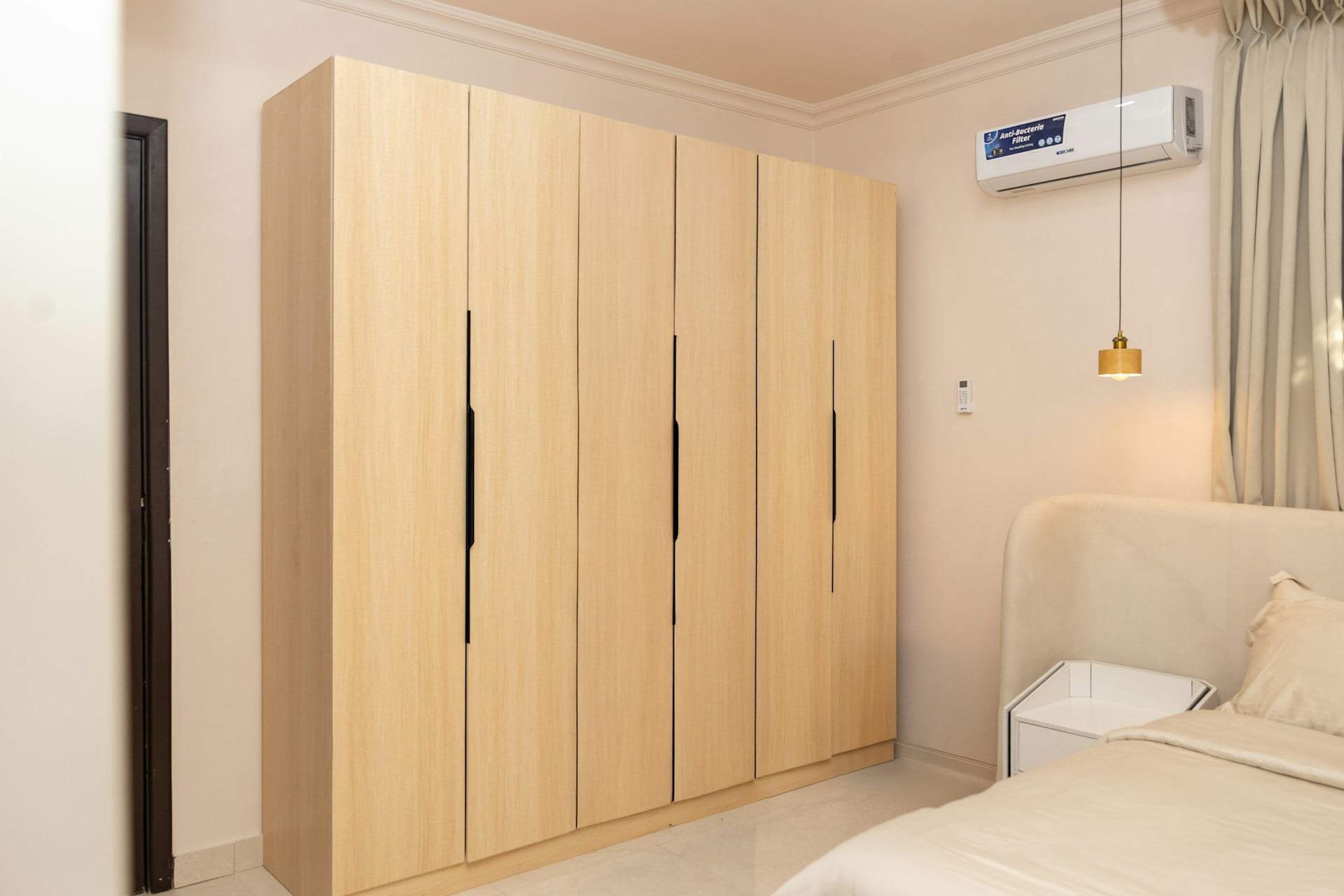
Hot nights expose everything synthetic. Waterproof mattress protectors, memory foam toppers and polyester-mix pillowcases all trap heat and moisture, and they are usually the invisible reason a bed feels swampy despite an open window. Swap to plain cotton or linen bedding for the summer weeks, take the duvet out of its cover and use just the cover as a sheet, and if a mattress protector is essential keep a folded cotton sheet on top of it.
One more thing worth doing before you get in: peel the top layer back for the last hour of the evening rather than leaving the bed made. A bed that has been aired feels cooler and drier the moment you lie down. Keep a glass of water at room temperature within reach — very cold water tends to wake you up properly if you drink it half-asleep.