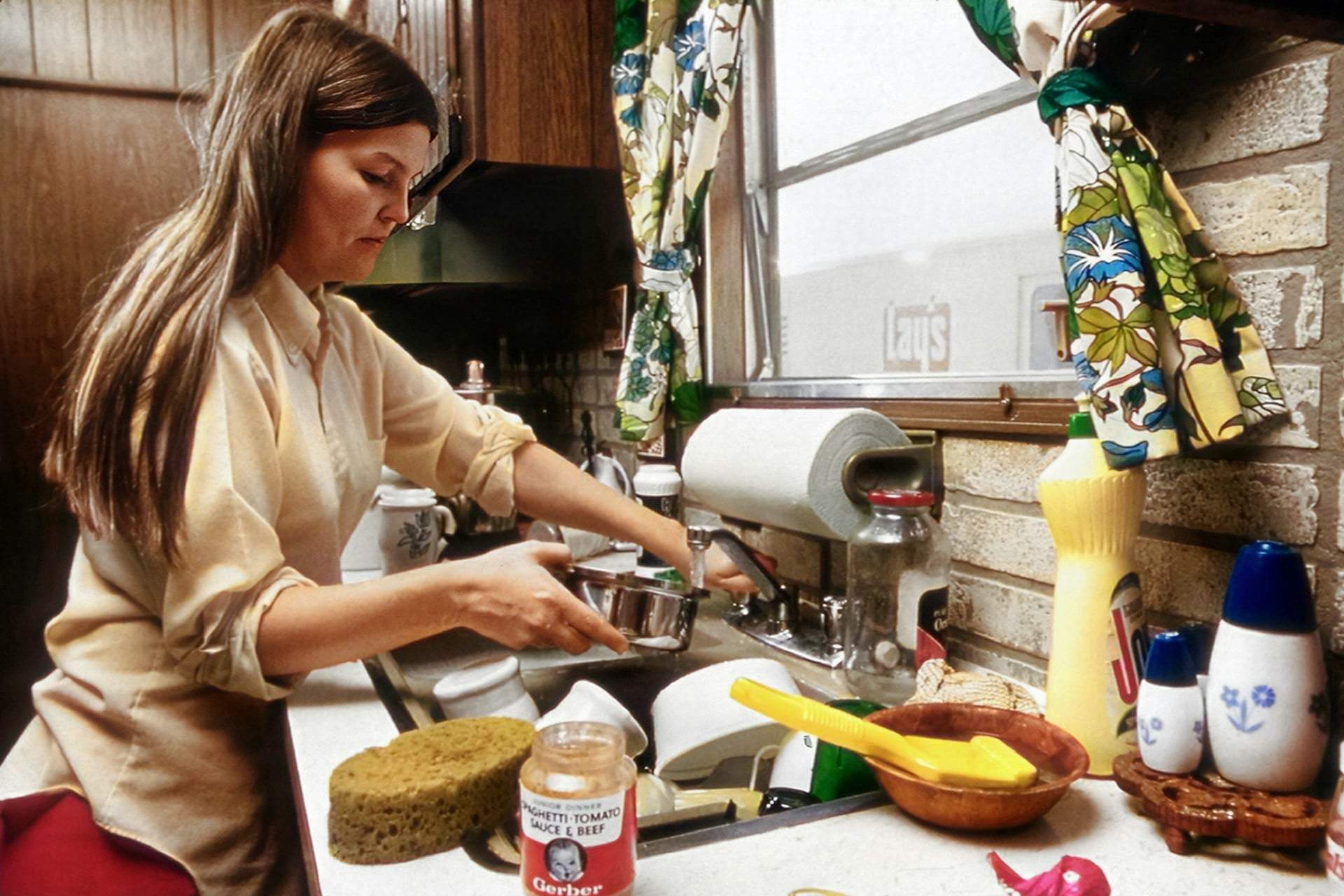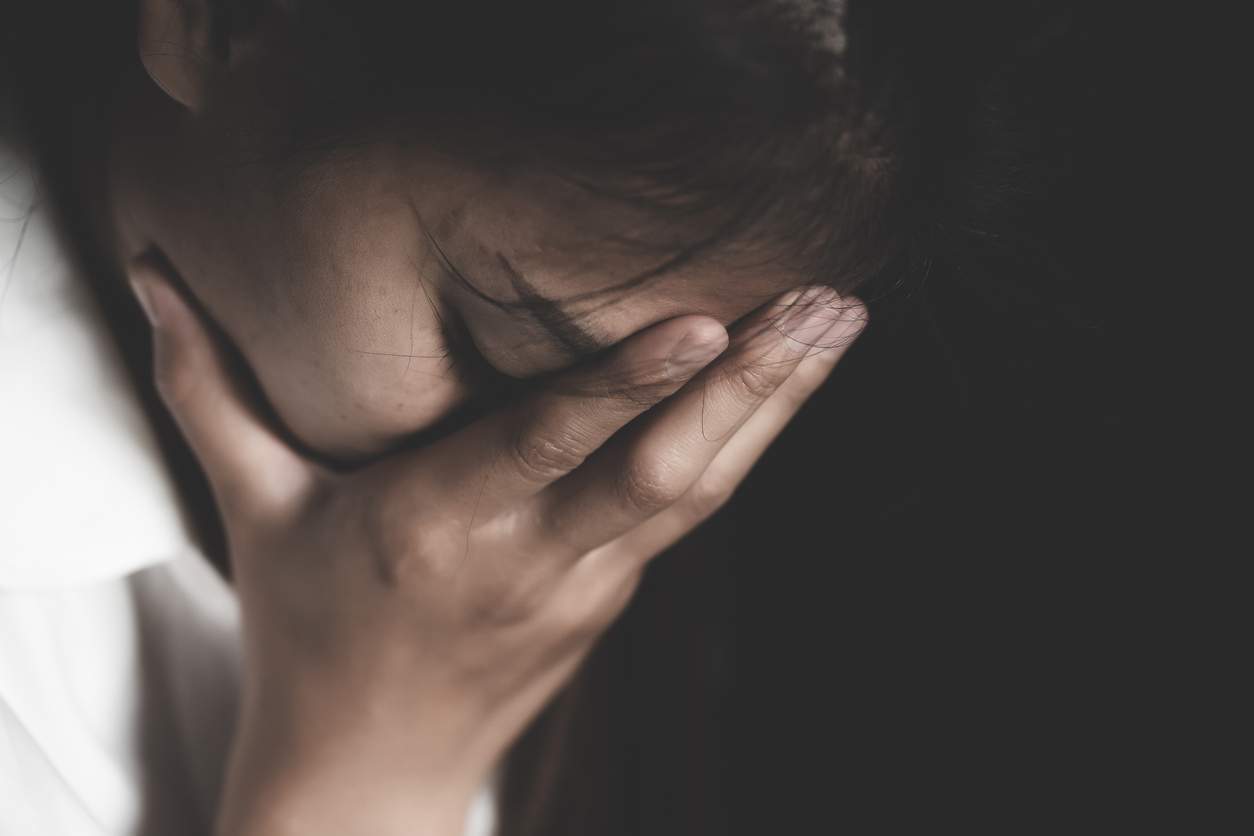
But what happens when this role can no longer be sustained? There comes a psychological turning point where the "good girl" becomes completely exhausted and realizes she can no longer live according to others’ expectations.
The Weight of Expectations
At first, women often take on the "good girl" role to avoid conflicts, keep the peace, or meet family and societal expectations. But over time, this burden can feel overwhelming, especially when these expectations overshadow their own identity.
Sadly, this conditioning often starts in childhood: the phrase "be a good girl" usually means always paying attention to others and doing what they want. This pattern can persist into adulthood, eventually leading to complete burnout.
The Long-Term Effects of Self-Sacrifice
Under the constant pressure to please, many women sacrifice their own needs and desires, which can lead to anxiety, depression, and low self-esteem. During this self-sacrifice, they lose touch with their inner world, making it harder to truly feel happy.
Psychology shows that when someone constantly acts to please others, their sense of self weakens, making it harder to express and live their own needs.
Long-term self-sacrifice can lead to emotional exhaustion that affects relationships and overall quality of life.

The Moment of Realization
There comes a point when the "good girl" realizes she can no longer maintain this role and doesn’t want to. This marks the start of an inner journey to rediscover herself and define her true values and needs.
This realization can be painful, often happening during a self-esteem crisis. She recognizes she has been suppressing her own voice and desires, and that it’s time for change. Yet this moment also opens the door to reconnect with her inner self.
What Can Be Done?
The most important step is reclaiming your identity. This requires self-reflection and clearly expressing your own needs. "Good girls" need to learn to say no without guilt when choosing what’s best for themselves.
Seeking professional support can help, whether from a psychologist or counselor who guides them through this process. A supportive community, family, and friends who accept and respect this change are also key.
Moving Forward on Their Own Path
When the "good girl" breaks free from these limits, a new chapter begins. This path leads to independence, self-acceptance, and inner peace.
Letting go and setting personal boundaries can open new doors to truly experiencing happiness and fulfillment.
Reaching the psychological point where the "good girl" finally tires directs her toward self-discovery. Letting go and honoring personal boundaries can bring positive changes not only individually but also within communities and society over time.