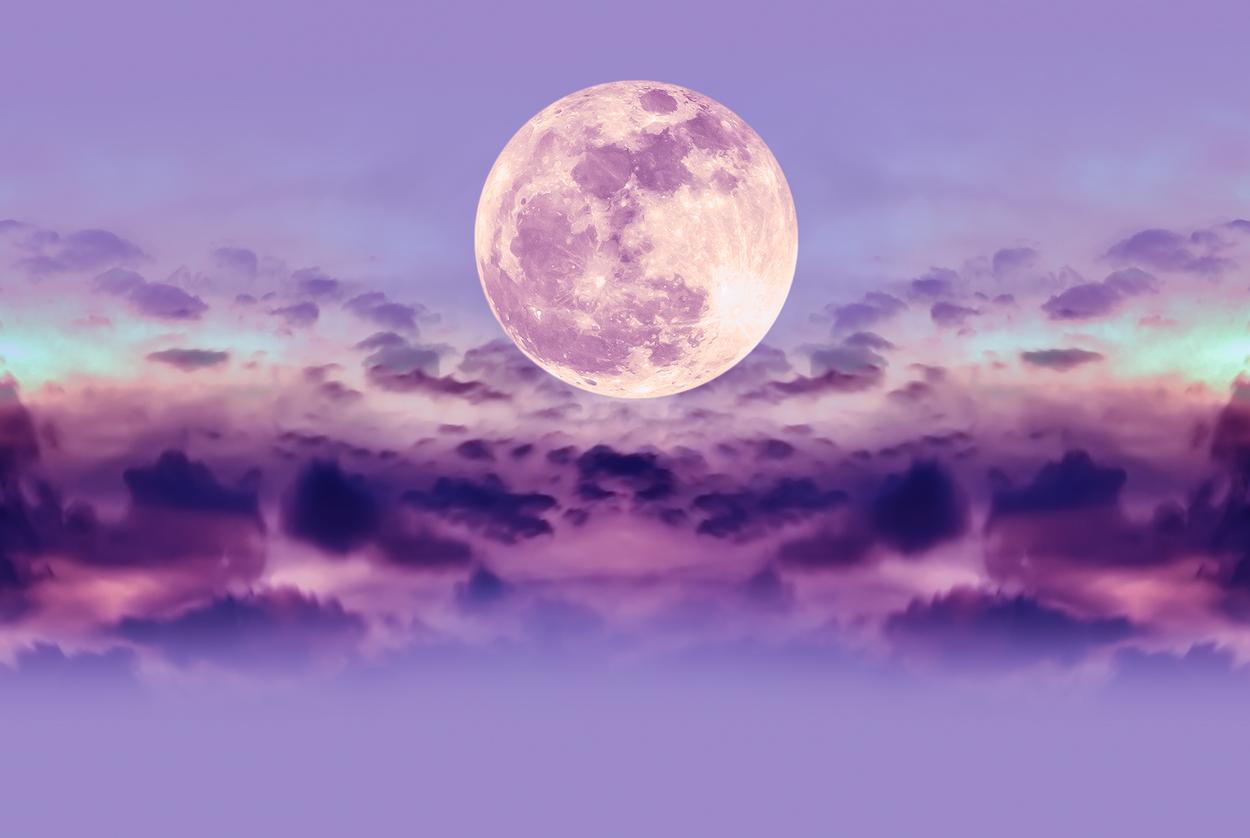
The full moon has always been a special event in people’s lives. Shining brightly in the night sky, it can bring changes not only to nature but also to our daily routines. In December 2025, the full moon falls on Saturday the 13th. This date is important not just because it brings us closer to the holidays, but because it can influence many human behaviors. In this article, we explore how the full moon might affect sleep, health, focus, and its deeper spiritual meaning.
Exact Timing and Its Effect on Sleep
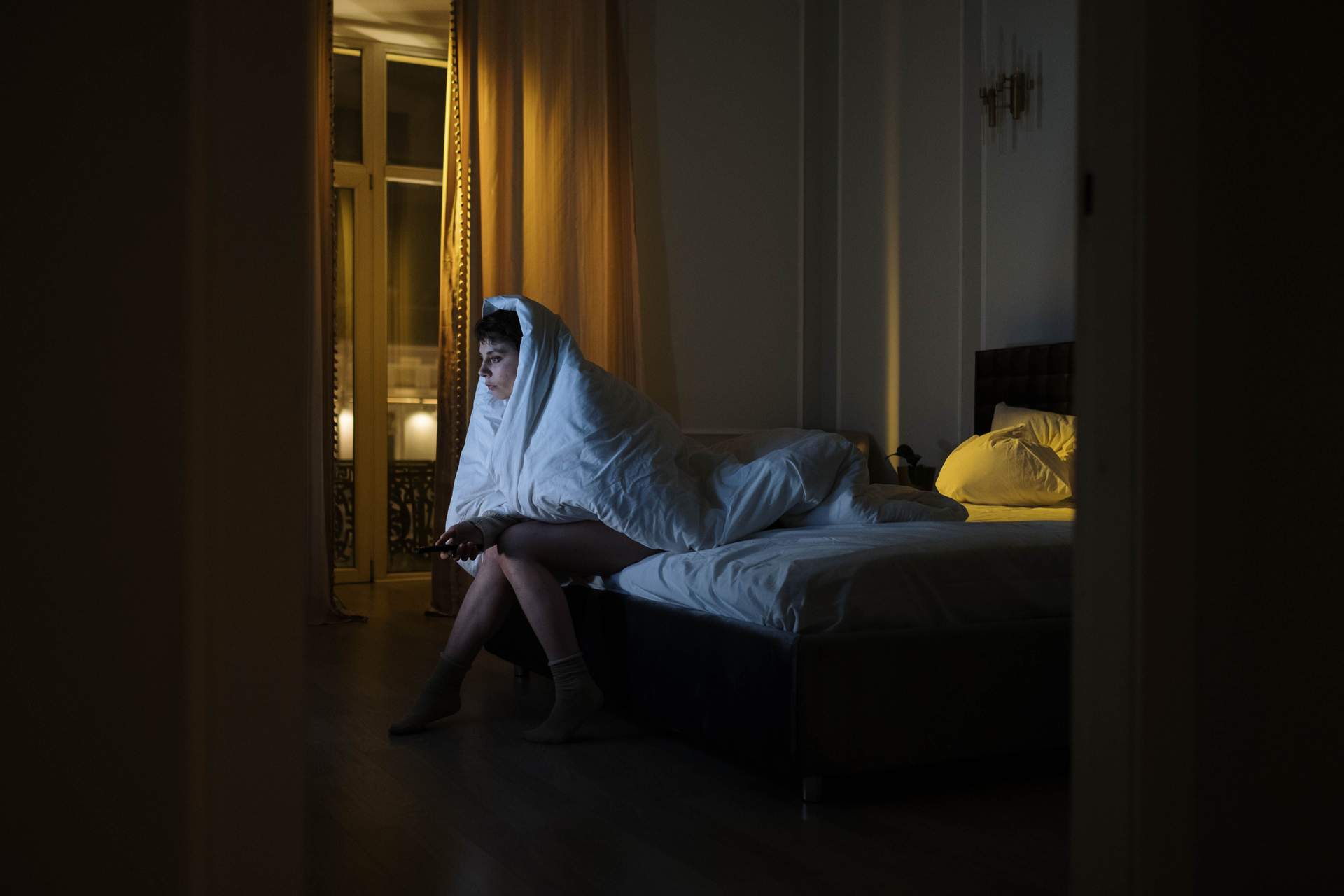
Many people notice that on full moon nights, falling asleep feels harder, or they stay more alert. Research backs up this experience.
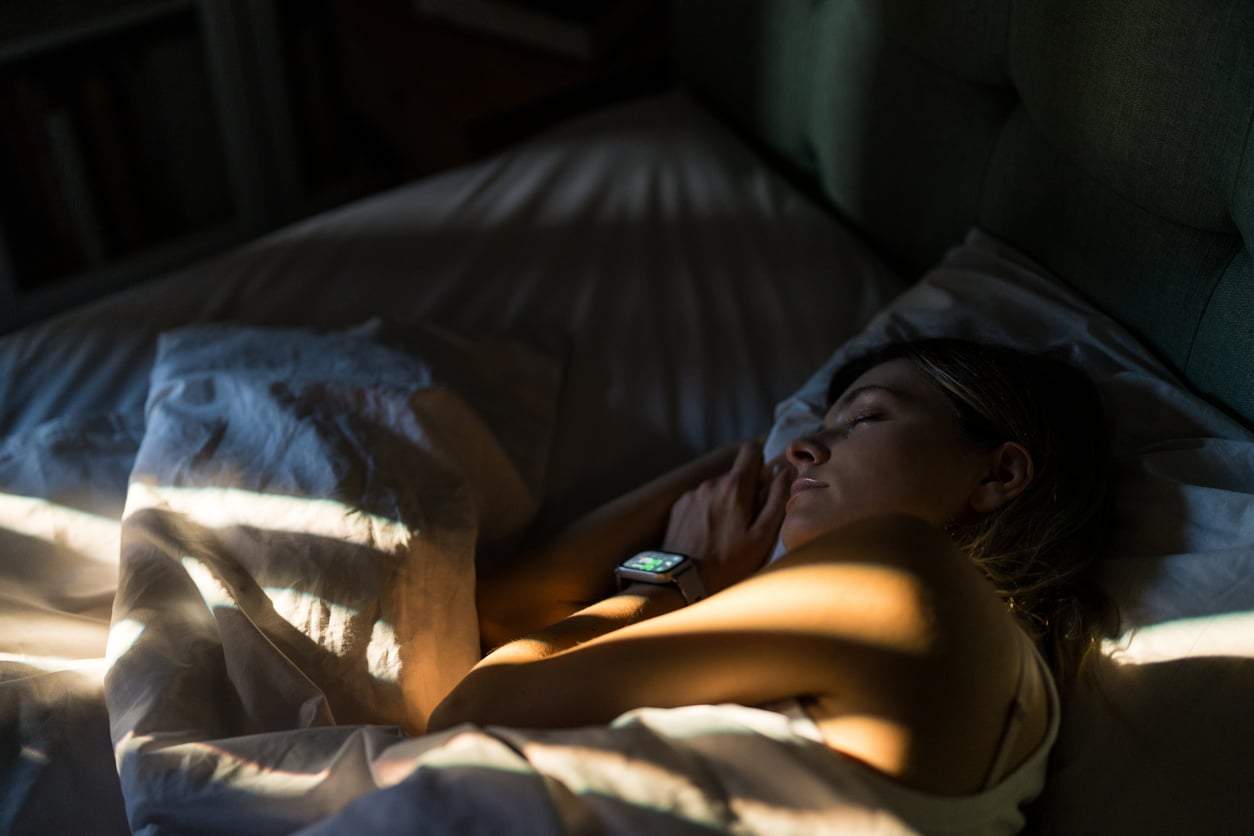
A 2013 study found that on full moon nights, people fall asleep about five minutes later and spend twenty minutes less in deep sleep.
Scientists believe this is linked to how our biological clock interacts with changes in natural light. While moonlight itself doesn’t have a direct physical effect, our bodies still sense the subtle environmental shifts. If you struggle to sleep during the full moon, try blackout curtains and avoid caffeine in the evening.
How the Full Moon Affects Health and Focus
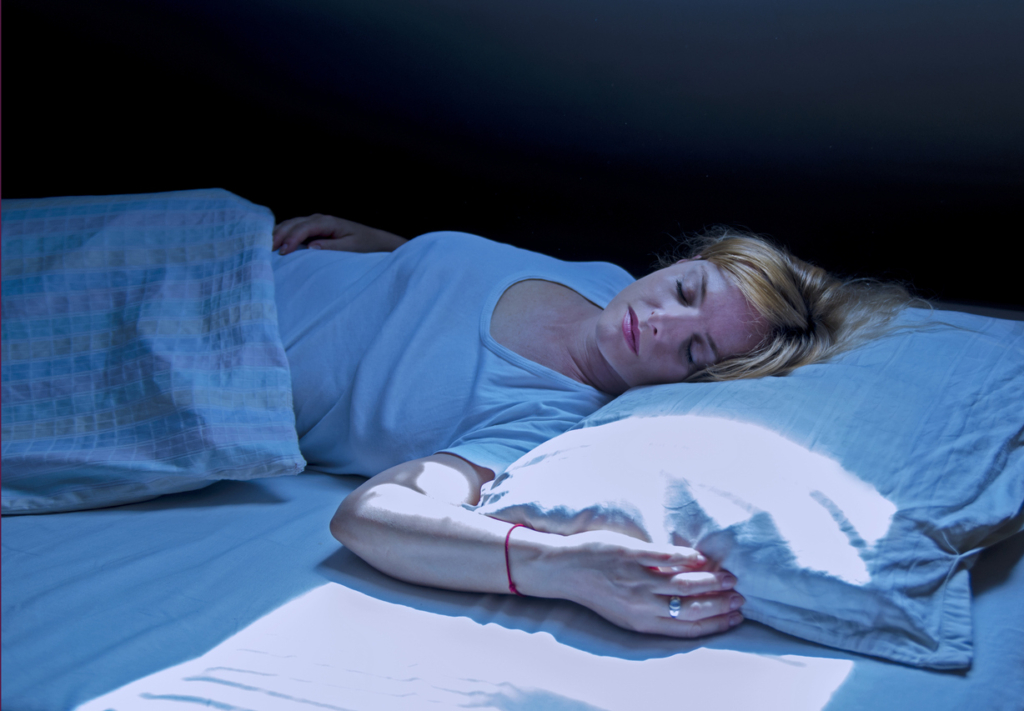
The full moon can impact more than just sleep—it may influence overall health. Some studies show more accidents happen on full moon days, heart attacks increase, and people may feel more irritable.
These effects may partly result from sleep disruptions, which reduce focus and weaken general health. So, stay extra cautious when out and about, and aim to keep stress levels low.
The Spiritual Meaning of the Full Moon
The full moon also holds spiritual significance. Many cultures believe emotions intensify and intuition sharpens under its glow. The moonlight shines a light on our inner selves, helping with self-awareness.
Full moon nights are perfect for deep meditation or reflecting on what we want to release from our lives. These evenings can bring both outer and inner cleansing.
Tips for Better Sleep During the Full Moon
If you feel the full moon affects your sleep, try simple strategies to improve rest. Relaxing bedtime rituals, lavender essential oil, or meditation can help you unwind.
Set aside time to calm down in the evening and aim to go to bed 20–30 minutes earlier than usual to offset the full moon’s impact. Remember, a cool, dark, and quiet room supports better sleep.
Long-Term Effects and Takeaways
Everyone’s sensitivity varies, but recognizing and understanding the full moon’s effects can help us live more mindfully. Changes like these offer chances for personal growth, so use the full moon’s energy to connect more deeply with yourself and the world around you.
These times invite self-reflection, planning, and fresh perspectives. While scientific proof is limited, the space between medicine and spirituality often holds insights that inspire and provoke thought.