You’ve probably heard the saying, “You are what you eat,” but it’s even closer to the truth to say you are what your body can digest and absorb. No matter how carefully you plan your diet, if digestion isn’t working right, some nutrients simply slip through.
Digestive enzymes are the stars of this process, breaking down food into tiny parts your gut can absorb and use. At the end of this article, we’ll quickly highlight the key enzymes that help break down nutrients effectively and support absorption.
Why Absorption Matters as Much as What We Eat
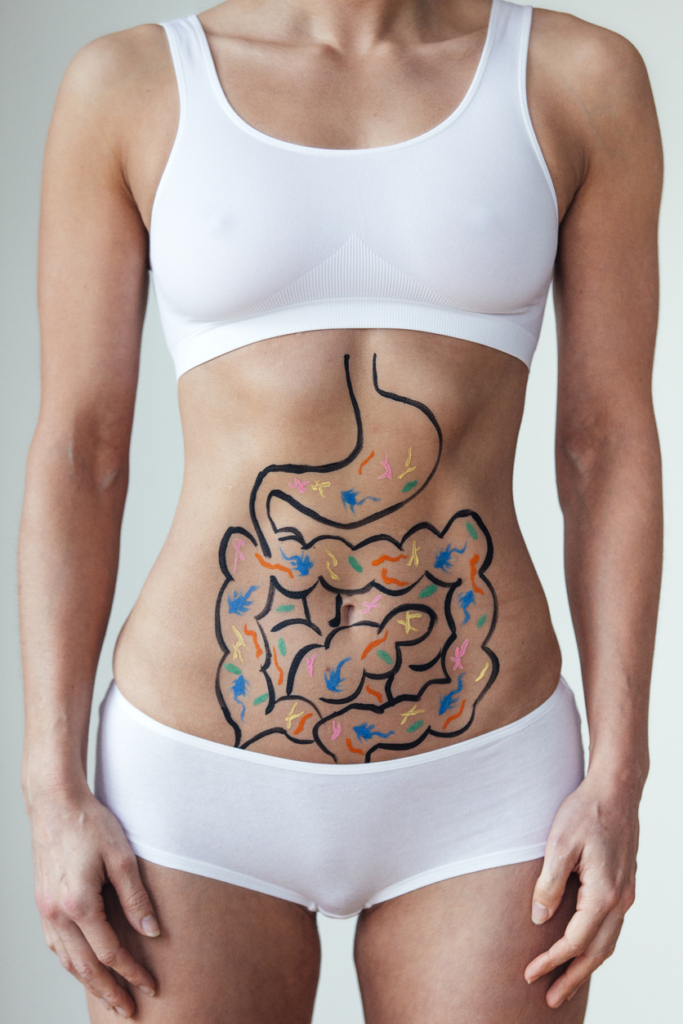
Your body’s own natural “toolkit” includes digestive enzymes. They’re mainly produced by your salivary glands, pancreas, and small intestine, and each enzyme has a specific job.
Some enzymes are essential for breaking down proteins, others support fat digestion, and some handle carbohydrates, lactose in dairy, or certain fibers.
When this system works well, nutrients from food reach where your body needs them most — fueling energy, cell repair, hormones, and immune function. But when digestion isn’t optimal for any reason, your body lets you know.
Many people experience uncomfortable fullness, bloating, cramps, constipation, or diarrhea after meals. These symptoms aren’t always serious, but if they keep coming back, it’s worth checking if enzyme deficiencies, intolerances, or digestive issues might be behind them.
Experts agree: digestive enzyme supplements make the most sense when tests show your body isn’t producing enough of certain enzymes or when you regularly struggle to break down specific food groups.
When Might Digestive Enzyme Supplements Help?
Most digestive enzyme supplements combine several enzymes in one capsule to support digestion from multiple angles. Proteases target proteins, lipases break down fats, amylases handle starches and complex carbs, and lactase helps those sensitive to lactose digest dairy.
Some enzymes assist in breaking down harder-to-digest carbs in beans and certain veggies, while others help process specific fibers. These combos are popular because they can reduce gas and uncomfortable fullness.
It’s also important to know that dietary supplements aren’t regulated like medicines everywhere. So, choose transparent, trustworthy brands that clearly list which enzymes they contain and their strengths. How you take them matters too — enzymes work best when taken with food, usually at the start of a meal.
Instead of overusing supplements, often the biggest difference comes from eating more mindfully, chewing thoroughly, and noticing which foods trigger symptoms. The goal isn’t to take enzymes for everything but to understand your body’s reactions.
The best approach is to see digestive enzymes not as magic fixes but as tools to support nutrient absorption that can be really helpful in certain situations.
If you regularly have uncomfortable symptoms after eating, start with a checkup. Knowing the exact cause makes it easier to find targeted solutions. And if everything’s fine, supporting digestion often improves just by giving your body the calm, time, and attention it needs to truly absorb nutrients.